A sudden grab, an aggressive step toward you, or a push that disrupts your balance can make familiar movements harder. You hold your breath, tense your shoulders, or focus so closely on the person in front of you that you miss a way out. Self-defense under pressure starts with being able to notice what is happening and make decisions while you are still dealing with it.
Your goal is to protect yourself and get to safety. That means recognizing trouble early, setting boundaries, managing distance, and moving toward an exit when one is available. Physical skills support those choices, but knowing a movement is only part of the work. At Maryland Systema, we practice connecting breathing, balance, and movement so you can keep responding as the situation changes.
How Pressure Affects Your Ability to Respond
A movement that feels straightforward with a cooperative partner gets harder when that person resists or changes direction. A grip tightens. A pull comes from an awkward angle. Your first attempt to move away leaves you facing a blocked path. Your surroundings add to the difficulty, especially if you are carrying a bag, standing on uneven ground, or trying to help someone else leave.
As pressure builds, you can find yourself holding your breath, tightening your body, or forcing a response that no longer fits. Understanding balance versus strength in self-defense helps you recognize when extra effort is making it harder to move or recover your footing. Focusing on completing one movement can also distract you from a new opening or a change in the other person’s behavior.
At Maryland Systema, we give students room to notice these reactions and work through them at a manageable pace. If you tense up or get stuck, that gives you something specific to practice: keep breathing, ease unnecessary effort, adjust your footing, and look for space. As resistance increases, the aim is to keep noticing and making decisions while you move.
Self-Defense Under Pressure Begins With Early Awareness
Managing distance in self-defense gives you time to observe and space to move. Look for an accessible exit and avoid letting yourself get cornered or drawn into an isolated area. An obstacle, such as a table or parked car, can help maintain separation, provided it does not block your own route away.
Distance gives you time to observe and space to move. Look for an accessible exit and avoid letting yourself get cornered or drawn into an isolated area. An obstacle, such as a table or parked car, can help maintain separation, provided it does not block your own route away.
Clear, brief language can help you communicate without getting pulled into an argument. “Stay back” or “I don’t want any trouble” states your boundary without a lengthy explanation. Keep your attention on the person’s actions and your opportunity to leave. A calm voice does not guarantee cooperation, and you do not have to keep talking when moving away is the safer choice.
Planning a way out is part of preparing for self-defense under pressure. The Pennsylvania Emergency Management Agency’s guidance on safety in public places reinforces the value of noticing your surroundings and identifying exits before an emergency develops.
Skills That Help You Respond Under Pressure
Training for self-defense under pressure should give you a challenge you can learn from. You begin at a controlled pace, with time to notice your breathing, footing, and balance. As you become more comfortable, your partner adds resistance or changes direction. The difficulty increases as you develop the ability to respond without rushing or forcing every movement.
At Maryland Systema, you practice adjusting while a partner moves, grips, or applies pressure. A grab becomes an opportunity to explore how your whole body responds. Can you move your feet? Are you pulling against the grip so hard that you lose your balance? Where is there room to move away? These questions help you recognize when to change what you are doing.
Training can include close contact, grabs, restraint, strikes, ground movement, limited space, and pressure from more than one person. Each introduces a different problem. On the ground, you work on moving and finding room to get up. In a confined area, you learn how limited space affects your choices. When an initial response stalls, you practice finding another option while staying aware of what is happening around you.
Breathing connects these parts of the work. Our guide to breathing exercises to stay calm provides a starting point for noticing your breath and unnecessary tension. During a demanding exercise, you practice recognizing when you hold your breath or use more effort than the task requires. You then work on breathing steadily, easing unnecessary tension, and keeping your feet available to move. The goal is to remain able to observe, adjust, and act even while you feel pressure.
Moving Quickly Without Losing Balance or Awareness
Speed helps when your movement takes you toward safety. Rushing without looking can send you into an obstacle, cost you your balance, or leave you with less room to move. In training, pay attention to what happens after your first response. Can you change direction, stay on your feet, and see where you are going?
Control means keeping the ability to adjust while you act. You practice moving quickly without committing so heavily that you cannot respond when conditions change. If a clear route opens, take it. If contact prevents you from leaving, work on protecting your balance and creating enough space to get away. The urgency comes from the danger you face, and your choices need to account for your surroundings.
Self-defense under pressure also requires recognizing when you have an opportunity to leave. It is easy to become focused on overcoming resistance and miss the moment when escape becomes possible. Training should build the habit of checking for a way out throughout an exercise, so leaving becomes part of your response.
Practical Training for Everyday Life
You do not need an athletic background or previous martial arts experience to begin practicing self-defense under pressure. Training should start at a pace that suits your current abilities, with room to discuss physical limitations and adjust the work. Through consistent practice, you can develop coordination, become more comfortable with contact, and recognize when tension is making movement harder.
Progress shows up in small, practical ways. You recover your balance without grabbing your partner. You notice that you are holding your breath and start breathing again. When an exercise changes, you pause less and see another direction to move. These are useful signs that you are learning to respond with more awareness and choice.
Self-defense under pressure involves uncertainty, and training cannot guarantee how an encounter will unfold. What practice offers is experience working through difficulty at a manageable level, then building from there. At Maryland Systema, we keep that work connected to a practical goal: protecting yourself, finding space, and getting to safety.
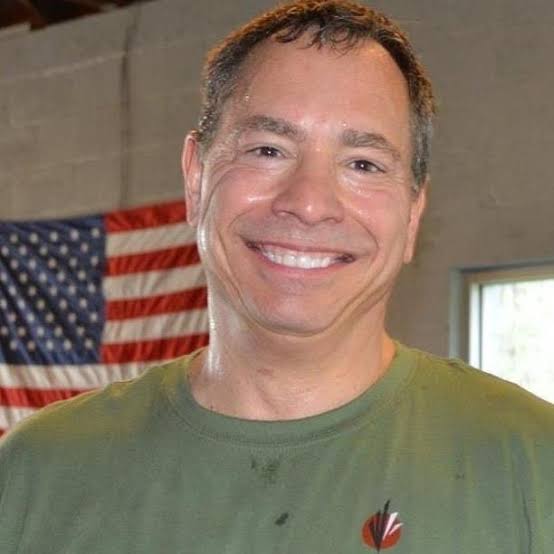
Jim Eglin
https://marylandsystema.comJim Eglin is the founder and chief instructor of Maryland Systema. He has trained in Systema, Krav Maga, judo, boxing, and jiu-jitsu, and received his full Systema instructor certification in 2019. Jim teaches practical self-defense with an emphasis on breathing, movement, balance, awareness, controlled contact, and responsible decision-making under pressure. He leads adult classes in Rockville and Takoma Park, Maryland.