Takoma Park Self-Defense Reviews: 5 Signs of a Good Class
Takoma Park self-defense reviews can help you choose a class, especially when they describe what students learned and how the instructor taught them. A high rating alone tells you much less. Look for details about how beginners are treated, how contact is introduced, and whether students practice making decisions as conditions change.
Your reasons for training matter too. You might want to feel more comfortable setting boundaries, improve your balance, or learn how to move when someone crowds your space. Useful reviews help you judge whether a class addresses those goals and gives you room to learn at your current ability.
The five signs below give you a way to compare feedback and decide what to look for during a first visit.
How to Evaluate Takoma Park Self-Defense Reviews
Start with the source. The Federal Trade Commission’s guide to evaluating online reviews recommends considering who wrote a review and consulting a variety of sources. Read specific accounts of the experience, including what the reviewer liked and what they found difficult.
When comparing Takoma Park self-defense reviews, consider how much training each person describes. Someone writing after one class can tell you about the introduction. A regular student can describe how instruction and difficulty develop over time. Both perspectives help, but they answer different questions.
Use those accounts to identify patterns and prepare questions. Reviews give you a starting point. Watching or trying a class lets you assess the teaching for yourself.
1. Clear Instruction for Beginners
Look for comments that explain how the instructor helped someone get started. Did students understand the purpose of an exercise? Could they ask questions? Did they receive useful corrections without feeling rushed or embarrassed?
In Takoma Park self-defense reviews, descriptions of those moments tell you more than a general statement that an instructor is knowledgeable. Knowing the material and helping a new student understand it are different skills.
A beginner needs time to become familiar with movement, balance, and controlled contact. Good instruction explains what to practice now and what to notice as the exercise develops. You should understand the task without needing previous martial arts experience.
For example, an instructor can ask you to notice whether you stop breathing as a partner applies light pressure. That gives you a specific habit to work on and a reason for the exercise.
2. Responsible Safety Practices
Safety should appear in how people work together. Look for accounts of partners respecting limits, instructors adjusting exercises, and students feeling comfortable asking to slow down or stop.
Takoma Park self-defense reviews that mention these details help you assess whether the class supports regular practice. Contact and resistance require communication. Humiliation, careless force, and pressure to ignore pain interfere with learning.
Ask how the school accommodates different fitness levels and physical limitations. A student returning after an injury needs an opportunity to explain their limits before an exercise begins. An experienced student needs a suitable challenge while still respecting a partner’s ability.
During your visit, watch what happens when someone struggles. Does the instructor explain, adjust, and give the student another opportunity? The response tells you more about the training culture than a claim that everyone is treated respectfully.
3. Gradually Increasing Pressure
Useful training introduces difficulty at a pace that allows you to learn. Early practice can involve gentle contact and a clear task. Later, the instructor can change direction, distance, resistance, or starting position.
Look for Takoma Park self-defense reviews that describe this progression. A student explaining how they learned to recover their footing as contact changed gives you more information than someone saying the class was exhausting.
Partners should work with control while giving each other an honest problem to solve. As ability develops, that includes recognizing when a movement is blocked and finding another option. The instructor should explain the purpose of each added challenge.
At Maryland Systema, we practice breathing, movement, and balance under changing pressure. The aim is to help you adjust when your position changes. Speed and intensity should support that learning rather than become the only measures of progress.
4. Practice That Develops Decision-Making
Self-defense involves choices before, during, and after physical contact. Look for training that includes noticing exits, managing distance, setting boundaries, and recognizing an opportunity to leave.
When reading Takoma Park self-defense reviews, pay attention to examples of students learning to reassess a situation. Did they notice an opening? Did they stop pushing toward a blocked route? Did the instructor explain when disengaging was the better outcome?
Physical practice can include grabs, pushes, restraint, ground movement, and limited space. Each exercise should connect movement to a purpose, such as protecting your balance or creating room to get away. Learning about de-escalation and personal safety also helps you consider options before contact begins.
Breathing belongs in that practice too. Our approach to breathing under pressure emphasizes continuing to breathe while moving and assessing what is happening. You do not have to feel completely calm before making a useful decision.
5. Training That Matches Your Goals
A highly rated school can still be the wrong fit for you. Competition, formal ranks, and athletic performance appeal to some adults. Others want instruction focused on everyday personal safety without those requirements.
Read Takoma Park self-defense reviews with your own priorities in mind. A commuter might value awareness and managing personal space. Someone returning to activity might focus on the pace, movement options, and support available to beginners.
Ask what success looks like in the class. If your priority is personal safety, the answer should include recognizing trouble, creating distance, leaving when possible, and controlling your own actions under pressure.
At Maryland Systema, adults practice awareness, breathing, balance, and movement through controlled contact and changing conditions. You can begin without previous martial arts experience, uniforms, or a long-term contract. Your first group class is free, giving you a chance to assess whether the approach fits your goals.
What to Ask Before Your First Class
Use Takoma Park self-defense reviews to prepare questions that the comments do not answer:
- How do you introduce beginners to contact and resistance?
- What happens if I need to slow down or stop an exercise?
- How do you adjust training for different abilities or physical limitations?
- Do students practice awareness, verbal boundaries, and leaving safely?
- Are there contracts, required uniforms, or equipment costs?
During your visit, notice whether the class reflects the answers you received. Watch how partners communicate, how the instructor gives corrections, and whether you understand the reason for each exercise.
Choose a Class You Can Assess for Yourself
No review can establish how you will respond in a dangerous situation. Training cannot remove the effects of surprise, size differences, surroundings, or weapons. Be cautious about promises that a few classes will prepare you for every encounter.
Instead, look for instruction that gives you manageable challenges, useful feedback, and opportunities to practice consistently. You should leave your first class with a clearer understanding of what you will learn and how the school supports that process.
Use Takoma Park self-defense reviews to narrow your choices, then compare those accounts with your own experience. Clear instruction, responsible safety practices, gradual pressure, useful decisions, and a good fit for your goals give you concrete reasons to return. At Maryland Systema, your first free class lets you make that assessment for yourself.
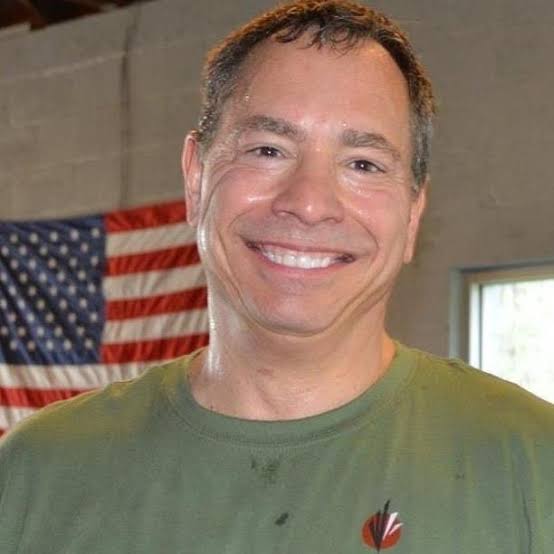
Jim Eglin
https://marylandsystema.comJim Eglin is the founder and chief instructor of Maryland Systema. He has trained in Systema, Krav Maga, judo, boxing, and jiu-jitsu, and received his full Systema instructor certification in 2019. Jim teaches practical self-defense with an emphasis on breathing, movement, balance, awareness, controlled contact, and responsible decision-making under pressure. He leads adult classes in Rockville and Takoma Park, Maryland.