A tense encounter rarely begins with an obvious warning that violence is about to occur. It often starts with smaller changes, such as someone moving too close, ignoring a clear boundary, raising their voice, or following you after a disagreement. De-escalation techniques for personal safety help you notice these warning signs early, avoid unnecessary conflict, and create a safer chance to leave.
The goal is not to win an argument or prove a point. The goal is to make sound decisions under pressure while protecting your space, balance, and freedom of movement. Calm communication can sometimes lower tension. In other situations, the safest choice is to stop engaging, draw attention, and leave immediately. Good judgment means recognizing which response the situation requires.
De-Escalation Techniques for Personal Safety Begin Early
Many people think de-escalation techniques for personal safety begin once an argument becomes heated. Words matter, but the most useful steps often happen earlier. Awareness gives you more time to act and more ways to leave safely.
Focus on behavior instead of trying to judge someone’s character. Is a stranger blocking your path? Are they ignoring normal boundaries? Have they become louder, more demanding, more focused on you, or more physical? You do not need proof that a situation will become dangerous before creating distance.
When something feels wrong, move toward other people, better lighting, an open business, a staffed area, or a clear exit. On public transit, change cars or move closer to the operator or other passengers. At work or in a social setting, bring another person into the conversation. These are practical choices that reduce isolation and give you more support.
It is usually easier to leave early than to move after someone has crowded you, grabbed you, or pulled you into a long argument. Personal safety often depends on acting before you can fully explain why the situation feels wrong.
Regulate Yourself Before You Try to Regulate the Situation
Stress affects your breathing, posture, voice, and awareness. You may hold your breath, tighten your jaw, clench your hands, stiffen your legs, or focus so closely on what someone is saying that you stop noticing the exit behind you. These reactions are normal, but they can restrict your movement and make clear thinking harder.
Begin with a simple physical reset. Let your breathing continue without forcing it, loosen your jaw and hands, and keep your feet beneath you. Position yourself so you can move instead of standing directly in front of the other person with your feet fixed in place. When the situation feels uncertain, keep your hands visible in a natural position near chest height. This posture does not add tension and helps you protect your space if physical contact begins.
Use a steady voice that is loud enough to be heard clearly. Do not match the other person’s speed or volume. Short, direct statements are easier to use under stress and less likely to turn the exchange into a longer argument.
Set Clear Boundaries Without Overexplaining
Respectful communication can help when someone is frustrated but still willing to listen. When a person keeps testing your limits, crowding you, or prolonging the exchange, long explanations can trap you in the conversation without improving your safety.
State your boundary in clear, direct language: “Please step back.” “Do not touch me.” “I’m leaving now.” “I can’t help you.” You do not need to explain why you will not share personal information, continue the conversation, or accept unwanted contact.
Repeat the boundary once if needed, then support your words with action by moving away. Using the same short phrase often works better than offering a new explanation each time. It also helps you avoid being pulled into insults, side arguments, or repeated demands.
Match your tone to the situation. A measured response often works with a customer, coworker, friend, or family member who remains responsive. A stronger command is appropriate when someone enters your space, ignores your words, or makes a threat. The wording can change, but the goal remains the same: protect your distance and leave when it is safe to do so.
Manage Distance Without Looking for a Fight
Distance gives you time to observe, decide, and move. It also makes it harder for another person to grab, strike, or block your escape.
Do not let a conversation place you against a wall, vehicle, elevator, or locked door. Stand at an angle that lets you watch the person while keeping your exit in view. When they move closer, step back or to the side. Use tables, chairs, cars, counters, or other people to create separation when available.
Moving away can feel uncomfortable, especially if you have been taught to remain polite and accommodating. Your safety matters more than avoiding an awkward moment. You can remain calm while taking firm action.
Pay attention when someone follows you, blocks your path, or keeps closing the distance after you tell them to stop. Their behavior shows that conversation is no longer solving the problem. Move toward other people or a staffed area, call for help, and use a clear voice when necessary: “Stay back.” “Do not touch me.” “Call 911.”
Recognize Behaviors That Can Make Conflict Worse
Some natural reactions can make a tense encounter harder to manage. Insults, personal challenges, empty threats, or stepping closer to argue can push a verbal disagreement toward physical contact.
Do not assume that eye contact, a smile, or an apology will always improve the situation. Each can help in the right setting, but no single response works with everyone. An apology may settle a minor misunderstanding. It may also encourage someone to continue the interaction. Pay attention to what the person does rather than relying only on normal social expectations.
Alcohol, drugs, severe emotional distress, and the presence of a group can change how someone responds. Reason and courtesy will not always calm the situation. De-escalation is not a guarantee that violence will be avoided. It is a practical way to reduce tension, create distance, and improve your opportunity to leave safely.
Recognize When Talking Is No Longer Enough
When someone makes a direct threat, shows a weapon, tries to hold you in place, attacks another person, or blocks your exit, the situation has moved beyond an ordinary verbal conflict. At that point, your priority is not finding the right words. Focus on getting away, calling for help, and protecting yourself or another person from immediate harm.
Leave as soon as you have a safe opportunity. Do not risk returning for a phone, bag, or other property. Move toward other people, a staffed area, or a secure location, then call emergency services when you can do so safely.
When you cannot leave immediately, keep moving when possible, protect your balance, and avoid becoming trapped against a wall, vehicle, or other fixed object. Look for an opening to create distance and escape.
Physical self-defense skills can be useful in these situations, especially when combined with awareness, breathing, posture, movement, and sound judgment. Memorized responses often break down when distance, surroundings, resistance, or pressure changes. Training should prepare you to adjust as the situation develops.
Build Composure Through Practice
De-escalation techniques for personal safety are simple to understand but harder to apply under stress. Practice helps make them easier to use when pressure rises. Say clear boundary phrases aloud. Identify exits when you enter an unfamiliar place. Practice stepping backward and to the side without losing your balance. Think through how you would contact a friend, security staff, or emergency services while avoiding isolation.
In a controlled class, adults can also explore how breathing, posture, and relaxed movement support clearer responses to verbal pressure and unwanted physical contact. At Maryland Systema, training gradually introduces changes in distance, resistance, position, and surroundings, helping students develop practical skills without relying on aggression or athletic ability.
The goal is not to view everyone as a threat. It is to trust your judgment and act when something feels wrong. A steady breath, a clear boundary, a step toward an exit, and the decision to leave can protect you before a situation becomes more serious.
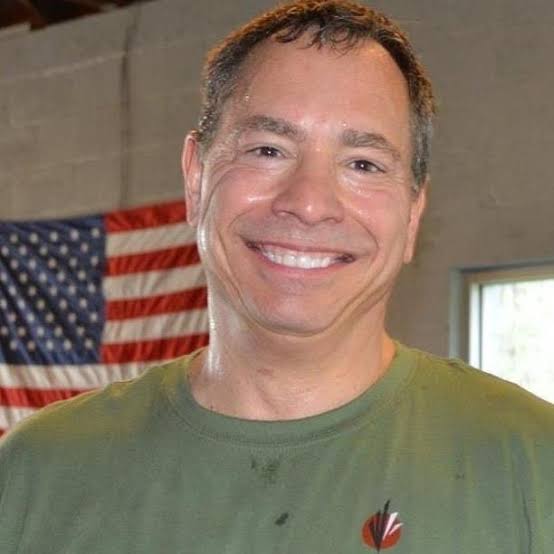
Jim Eglin
https://marylandsystema.comJim Eglin is the founder and chief instructor of Maryland Systema. He has trained in Systema, Krav Maga, judo, boxing, and jiu-jitsu, and received his full Systema instructor certification in 2019. Jim teaches practical self-defense with an emphasis on breathing, movement, balance, awareness, controlled contact, and responsible decision-making under pressure. He leads adult classes in Rockville and Takoma Park, Maryland.