How to Handle Unwanted Contact: 7 Important Safety Tips
A person steps too close in a parking garage. Someone at a gathering ignores your attempt to move away. A hand remains on your arm after you have clearly said no. Knowing how to handle unwanted contact starts with recognizing the problem, setting a boundary when appropriate, and looking for an opportunity to leave. You do not need to wait for an obvious threat before taking your discomfort seriously.
Your goal is to protect yourself and get to safety. Awareness, communication, movement, and balance all contribute to that goal. Your options depend on the surroundings, your physical abilities, and what the other person is doing. No single response fits every situation.
1. Recognize the Problem Before It Escalates
Unwanted contact often begins with smaller warning signs. Someone keeps closing the distance after you move away. A person blocks your path, becomes more demanding, or continues touching you despite your discomfort. These actions do not tell you exactly what will happen next, but they give you reasons to reassess your position and options.
Notice whether a wall, car, counter, or crowd limits your movement. When you have room, adjust your position to keep a route toward an exit or other people available. Avoid focusing so closely on one person that you lose track of what is around you.
Distance gives you time to observe and respond. Moving away can create space, but it does not guarantee the person will stop approaching. Keep watching how they respond and whether your route remains open.
You do not need to establish someone’s intentions before deciding to leave. Moving toward staff, security, trusted people, or a busier area is an option when you feel uncomfortable.
2. Set Clear Boundaries When It Is Safe to Do So
Learning how to handle unwanted contact includes practicing short, direct boundaries. “Stop.” “Do not touch me.” “Step back.” You do not need to explain yourself at length. Keep watching the person’s actions and your opportunity to leave. Speaking is an option, not a requirement before protecting yourself.
When appropriate, speak loudly enough for people nearby to hear. You can also ask someone directly for help: “Please get security” or “Stay here with me.” A specific request gives the person a clear way to assist.
Your relationship with the person can affect how you choose to respond. Someone familiar can still ignore your boundaries. You are allowed to move away, end the interaction, or seek support without continuing a discussion.
Pay attention to your position as you speak. Keep your feet available to move and avoid backing into an obstacle. A clear statement does not guarantee cooperation, so continue assessing whether leaving is possible.
3. How to Handle Unwanted Contact When It Begins
When someone touches, grabs, pushes, or holds you, you may tense up, pull away, or freeze. These reactions can happen quickly. They are not a personal failure, and you do not need to feel completely calm before taking action.
During training, practice noticing whether you hold your breath or focus only on the point of contact. Our guide to breathing exercises to stay calm provides a starting point for exploring breathing and unnecessary tension. Breathing supports your response, but it should not delay moving away or calling for help.
If someone holds your arm, the available options depend on the grip, your position, the person’s movement, and the surrounding space. Pulling harder in the same direction does not always help. In controlled practice, you can explore how changes in footing and body position affect your ability to move.
Keep the surroundings part of your assessment. Are you near stairs, traffic, furniture, or a wall? Is someone else involved? Is there a route toward help? These details affect whether a movement improves your position or introduces another problem.
Written instructions cannot establish a reliable response to every grab or restraint. Training should give you supervised opportunities to explore different conditions, communicate limits, and recognize when an attempted response is not helping.
4. Keep Your Balance and Your Feet Available to Move
Balance in self-defense affects your options during close contact. Keeping your footing and your feet available to move gives you more ways to adjust your position. Notice when you lean too far, stiffen your legs, or focus so closely on a grip that you stop paying attention to your surroundings.
In controlled practice, explore how your weight shifts when a partner applies light pressure. Can you take a manageable step without crossing into an obstacle? Can you turn without leaning heavily? Does pulling with your arm leave the rest of your body unable to move?
These questions give you something specific to practice. The instructor should adjust the activity to your mobility, experience, and any relevant restrictions. Contact that challenges your balance needs clear limits and enough space to stop safely.
Staying mobile does not mean moving as fast as possible. Rushing can lead to collisions, poor footing, or a blocked route. The purpose of movement is to improve your position and help you reach safety.
5. Focus Physical Action on Protection and Escape
Someone who continues touching you after a boundary presents a different problem from someone restraining or assaulting you. Your response needs to account for the immediate danger, your surroundings, and the options available.
If physical action becomes necessary, keep your attention on protecting yourself and creating an opportunity to disengage. Continuing an exchange after you can leave exposes you to additional contact and uncertainty.
A weapon changes the risks substantially. Do not assume that a practiced response will reliably prevent injury. Avoid treating property as something you must physically defend. Your safety takes priority over a phone, wallet, or bag.
After reaching safety, seek emergency assistance when needed and medical attention for injuries. Write down what happened while you remember the details. You can also seek help from victim-support services when deciding what to do next.
If unwanted contact involves sexual assault, harassment, or stalking, RAINN’s safety-planning guidance offers suggestions for identifying safer places, planning routes, and involving trusted people in your support plan.
6. Practice for Situations That Change
Practicing how to handle unwanted contact gives you time to explore what changes under pressure. You may understand an exercise but struggle when someone moves closer, resists, or changes direction. Controlled practice lets you notice your breathing, footing, and attention, then adjust the difficulty with your instructor.
Useful training introduces pressure gradually. You should have room to practice boundaries, distance, movement, grabs, and restraint within agreed limits. Activities should account for differences in size, age, fitness, injuries, and experience.
Partners need to communicate and stop when asked. The instructor should explain the purpose of each exercise and provide adjustments when the work becomes unsuitable. Increased difficulty should give you something to learn from.
At Maryland Systema, we work with breathing, balance, awareness, and movement as distance, resistance, and surroundings change. You explore what happens when your first response stalls, a direction becomes blocked, or your partner changes the pressure.
Beginners can start at a manageable pace without previous martial arts experience. The aim is to build familiarity with movement and contact while continuing to notice choices and opportunities to leave.
7. Stay Focused on Getting to Safety
Unwanted contact can be difficult to assess when it involves someone you know, a workplace, or a crowded setting. You do not need to wait for the situation to become obviously dangerous before leaving or asking for support.
Learning how to handle unwanted contact includes recognizing that your options can change. A route opens. Another person offers help. You reach a staffed area. Keep checking what is available instead of staying focused on completing one physical response.
Once you have left, consider what support you need. That can include contacting someone you trust, getting medical care, reporting what happened, or making a plan to reduce further contact. You do not have to make every decision immediately or manage the aftermath alone.
Knowing how to handle unwanted contact means keeping your safety at the center of your decisions. Look for opportunities to leave, get help, and avoid further contact. No response guarantees cooperation, and another person’s decision to ignore your boundaries is their responsibility.
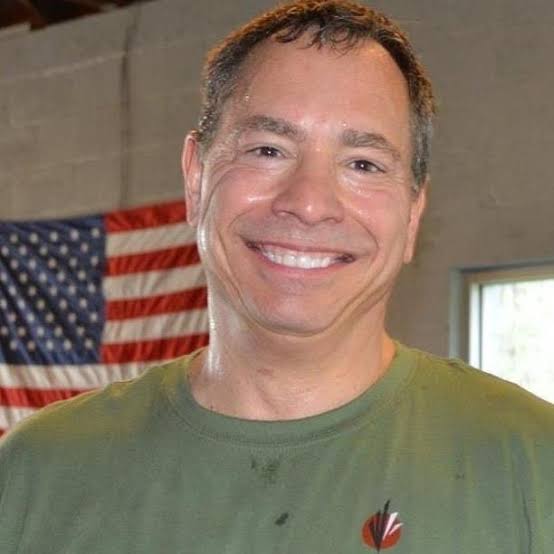
Jim Eglin
https://marylandsystema.comJim Eglin is the founder and chief instructor of Maryland Systema. He has trained in Systema, Krav Maga, judo, boxing, and jiu-jitsu, and received his full Systema instructor certification in 2019. Jim teaches practical self-defense with an emphasis on breathing, movement, balance, awareness, controlled contact, and responsible decision-making under pressure. He leads adult classes in Rockville and Takoma Park, Maryland.