A crowded elevator, narrow hallway, packed train car, or stairwell limits your movement before any physical contact begins. Self-defense in confined spaces starts with recognizing those limits: where you can move, what blocks your path, and how to reach an exit. Your position, breathing, and balance matter when you have little room to adjust.
Your goal is to get away safely. That starts with noticing concerning behavior, maintaining space where possible, and setting a clear boundary when needed. Limited room makes these choices harder, so training needs to account for walls, obstacles, and other people. At Maryland Systema, we practice staying balanced and mobile under changing pressure, with attention to the space and options still available.
1) How Limited Room Affects Self-Defense in Confined Spaces
In an open area, you have more room to step away, change direction, or leave without passing close to another person. Walls, furniture, narrow doorways, and other people reduce that room. Even a single misplaced step can put you against an obstacle or make it harder to stay upright.
Self-defense in confined spaces starts with noticing how your surroundings affect your choices. If someone crowds you in a doorway or behaves aggressively in a stairwell, look for an opportunity to leave before contact begins. When safe to do so, move toward other people, use a clear verbal boundary, or ask for help. Being close to someone does not automatically call for a physical response.
If unwanted contact begins, you cannot count on having room for a large step or a full arm movement. You might be seated, carrying a bag, or standing with a wall behind you. Training needs to account for these everyday limits. At Maryland Systema, the focus includes smaller movements, protecting your balance, and recognizing a path out as the situation changes.
2) Self-Defense in Confined Spaces Starts With Awareness
Awareness starts with noticing what affects your ability to move and leave. Where is the nearest exit? Is the doorway clear? Is someone ignoring your request for space or following as you move away? Pay attention to behavior and surroundings without assuming that everyone nearby poses a threat.
A tight space can make you feel rushed. You might feel pressure to squeeze past someone, enter a crowded elevator, or continue down a blocked hallway. When there is no immediate threat, take a moment to assess your options. Waiting, changing direction, or asking for assistance can help you avoid moving into a harder position. You do not have to keep going simply because that was your original plan.
Use your voice to make your boundary clear. “Please give me space.” “Do not touch me.” “I am leaving.” Keep your words brief and direct. You do not need to explain yourself at length or stay to argue. A verbal boundary does not guarantee cooperation, so keep watching for an opportunity to leave or get help.
3) Keep Breathing as Pressure Builds
When someone suddenly moves close, you might hold your breath, tighten your shoulders, or brace your whole body. In a tight space, that reaction can leave you struggling to move while concentrating only on the person in front of you.
Practicing Controlled breathing gives you something useful to notice during training: are you continuing to breathe as the pressure changes? Start there. Keep breathing as you move, speak, and adjust your position, without forcing a deep breath or following a complicated count.
At Maryland Systema, we practice breathing alongside movement and controlled contact. The aim is to recognize unnecessary effort, such as clenching your hands or stiffening your legs when you need to reposition. In limited space, even a small adjustment requires enough freedom to move.
You do not need to feel completely calm before taking action. Breathing is one habit to practice under manageable pressure so you can use it alongside awareness, balance, and movement. Your priority remains finding a way to leave safely.
4) Stay Balanced When There Is Little Room to Move
You cannot count on choosing your starting position when space is limited. You might be standing sideways in a line, carrying groceries, or stepping around furniture when someone makes contact. Your balance needs to work from the position you are already in. Keep your knees free to bend and avoid planting your feet so firmly that you struggle to turn or step.
Notice where your weight goes as you move. Reaching too far forward or leaning away without moving your feet can leave you struggling to recover after a push or pull. Practicing balance under pressure means learning to adjust as contact changes. In a tight area, that includes taking smaller steps and paying attention to obstacles that limit where you can place your feet.
5) Small Adjustments Help You Find Room to Move
Self-defense in confined spaces often involves small adjustments. When there is no room for a large step, a slight turn or a shorter step can change your position. What matters is whether that movement helps you stay balanced, avoid an obstacle, or reach an opening.
Keep your movement connected to a purpose: finding a way out. Moving straight back is not always available, especially with a wall or furniture behind you. Look for space beside you as well as ahead, while staying aware of other people and changes in their behavior.
A wall limits your choices, and pushing harder does not necessarily create room. During controlled training, practice recognizing which movements remain available when one direction is blocked. Notice where your feet are, whether you can turn, and whether that turn leads toward an exit or another obstacle.
Furniture and everyday objects also change the available space. A table or shopping cart can obstruct your path or provide separation while you move away. Keep checking where you are going. An object is useful only if it supports your escape without trapping you or blocking the route you need.
6) Train From the Positions You Find Yourself In
A rehearsed response starts with knowing what comes next. In a confined space, you do not have that advantage. Someone can change direction, block an opening, or pull you off balance while you are trying to move. Your starting position, mobility, and surroundings all affect what you can do.
Training should give you practice adjusting when your first response does not work. Begin slowly, with gentle pressure and enough room to stop safely. As you become more comfortable, introduce one change at a time: a narrower path, a seated starting position, a different direction of contact, or an obstacle to move around. Each change gives you a problem to recognize and work through.
Partners need to communicate, respect limits, and stop when asked. Increase pressure only while both people can work with control. A useful exercise gives you time to notice when you hold your breath, lose your balance, or keep pushing toward a blocked route. You then have a chance to adjust and try again.
At Maryland Systema, we bring breathing, balance, awareness, and movement into practice with close-range contact. You can begin without previous martial arts experience or a high level of fitness. We build the challenge gradually so you can learn to make decisions while your position and available space change.
7) When You Cannot Leave Right Away
An exit is not always within reach. You might be seated, held, surrounded by people, or helping a child move with you. Start with the immediate problem: protect yourself from injury, keep your balance where possible, and look for an opening or a way to call for help. Keep reassessing as the situation changes.
If you ride Metro, know how to request help before you need it. Review WMATA’s instructions for contacting Metro Transit Police and save the contact information on your phone.
Your surroundings affect each decision. A crowded station, moving vehicle, and narrow workplace hallway offer different options and hazards. If physical action becomes necessary to protect yourself, keep the purpose focused on stopping the immediate harm and getting away. Once you can leave safely, leave.
Training gives you practice working through difficult positions without knowing exactly how they will develop. Under controlled conditions, you can explore recovering your balance, moving with limited room, and adjusting when a route becomes blocked. That experience does not guarantee a safe outcome, but it gives you opportunities to practice making decisions under pressure.
At Maryland Systema, we approach self-defense in confined spaces through breathing, balance, awareness, and close-range movement. You can begin without previous martial arts experience or a high level of fitness. We build the challenge gradually so you can practice making decisions as your position and available space change.
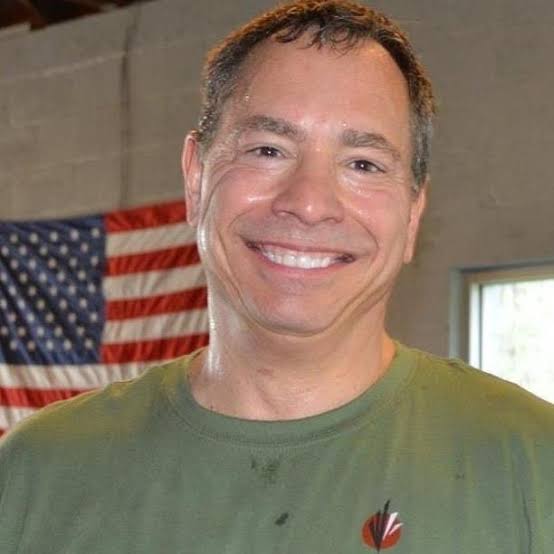
Jim Eglin
https://marylandsystema.comJim Eglin is the founder and chief instructor of Maryland Systema. He has trained in Systema, Krav Maga, judo, boxing, and jiu-jitsu, and received his full Systema instructor certification in 2019. Jim teaches practical self-defense with an emphasis on breathing, movement, balance, awareness, controlled contact, and responsible decision-making under pressure. He leads adult classes in Rockville and Takoma Park, Maryland.