Self-Defense Against Multiple Attackers: 7 Priorities for Safer Decisions
Self-defense against multiple attackers begins with recognizing how quickly your options change when several people create a threat. One person can hold your attention while another approaches from the side. An available exit can become blocked. Someone who initially appears uninvolved can join the confrontation without warning.
Your surroundings add another layer of difficulty. Parked cars, furniture, narrow hallways, uneven ground, and crowds affect where you can move. A response that seems straightforward with one cooperative training partner becomes less dependable when other people and obstacles enter the situation.
The goal is to recognize danger early, protect yourself from immediate harm, and reach safety. Training should support that goal through awareness, distance, breathing, balance, and decisions that change with the circumstances.
At Maryland Systema, we approach this subject through controlled practice and gradual progression. The following seven priorities explain what deserves attention and how training can explore these problems without pretending that any response guarantees escape.
1. Recognize Changes Before Physical Contact Begins
A developing confrontation often involves changes in behavior and positioning before anyone makes contact. Someone repeatedly closes the distance after you move away. Another person steps into your path. An argument holds your attention while people spread out around you.
None of these actions alone proves that an assault is about to happen. Pay attention to the combination of behavior, distance, and available space. Focus on what people are doing rather than making assumptions based on appearance.
You do not need to establish someone’s intentions before choosing another route or returning to a staffed business. If the situation concerns you, use the available time to move toward help.
Self-defense against multiple attackers becomes more difficult once several people restrict your movement. Early decisions deserve as much attention as physical responses because they can preserve options that disappear later.
Awareness also includes your own distractions. Looking at your phone, searching through a bag, or arguing about something said a moment earlier can take attention away from the changing situation.
You do not need to watch everyone continuously. Briefly noticing your surroundings when leaving a building, entering a parking area, or approaching a transit platform gives you a better starting point.
2. Make Distance and an Exit Your Priorities
Distance gives you more room to observe, change direction, and leave. That room matters when several people are moving independently.
Look for a route that leads toward actual help. An open business with staff, a security desk, or a transit employee offers a clearer destination than simply moving into an unfamiliar passageway. A location that appears open can still lead to a locked door or a dead end.
Our guide to distance management for self-defense explains how space affects your choices before and during contact. When several people are involved, you also need to notice whether a route remains available as they move.
Avoid becoming absorbed in keeping every person directly in front of you. Seeing the group is useful, but reaching safety takes priority over maintaining an ideal position. Constantly adjusting your position without going anywhere can prolong your exposure.
Self-defense against multiple attackers requires decisions about where movement leads. Ask yourself whether your direction creates separation, brings help closer, or takes you into a more restricted area.
If you are with someone else, communicate clearly and encourage them to leave with you. A brief direction such as “Let’s go inside” is easier to act on than a lengthy discussion while the situation develops.
3. Use Clear Communication Without Prolonging the Encounter
Words can help clarify your intentions, set a boundary, and attract assistance. They cannot guarantee that another person will cooperate.
Keep your message brief. “Stay back,” “We’re leaving,” or “I don’t want trouble” communicates a position without inviting a debate. Choose language that fits the circumstances and keep paying attention to movement around you.
You do not need to answer every insult or explain why you are leaving. A conversation that repeatedly pulls you back into an argument can use up the time and space you need.
If assistance is nearby, make your request specific. Tell a staff member that someone is threatening you and ask them to contact security or emergency services. Do not assume that people watching understand what is happening.
Self-defense against multiple attackers also requires separating personal safety from protecting possessions. If the incident is a robbery, struggling over a phone, wallet, or bag can increase your exposure to harm.
In its published personal safety advice, Montgomery County Police advises robbery victims to give up property rather than endanger their lives and to report the crime as soon as possible.
That guidance does not make every encounter predictable. It keeps the priority clear: belongings are replaceable, and recovering them should not become the reason you remain in danger.
4. Notice How the Environment Helps or Restricts Movement
A table, bench, parked vehicle, or doorway changes how people can approach you. An obstacle sometimes creates useful separation. It can also restrict your movement or conceal someone from view.
Avoid treating any object as an automatic solution. A vehicle between you and another person does not help if you back into traffic. A narrow passage does not offer a useful escape if the far end is blocked.
Look beyond the nearest opening. Notice where the route leads, whether the surface allows you to move safely, and whether you are approaching another restriction.
In self-defense against multiple attackers, the environment keeps changing as people move through it. A clear doorway can become crowded. Someone stepping around a bench can change which direction remains open.
This is one reason training should include more than an empty room with partners waiting at fixed distances. Controlled exercises can introduce a marked exit or a limited movement area so students have to make decisions about space.
Those exercises need clear safety boundaries. Furniture, hard surfaces, and obstacles should not become uncontrolled collision hazards.
The useful lesson is to connect movement with a destination. Moving quickly has limited value if it takes you farther from help or into a place with fewer ways out.
5. Protect Your Balance and Ability to Move During Contact
Physical contact can begin despite your efforts to leave. A shove, grab, or collision can disrupt your balance while another person is nearby.
In that moment, becoming completely absorbed in one person creates another problem. You still need information about your surroundings and any available route away.
Keep your priorities simple: protect yourself from immediate harm, recover enough balance to move, and use an available opportunity to leave. Continuing an exchange after that opportunity appears adds exposure without improving your safety.
Breathing is part of how we explore this in training. Students can notice whether they stop breathing, stiffen unnecessarily, or lose awareness of their feet during controlled pressure. The purpose is to recognize those habits while the exercise remains manageable.
Breathing does not cancel out the danger or make several attackers manageable. It is one part of practicing how you respond when effort, contact, and uncertainty increase.
If You Lose Your Footing
Being on the ground limits your mobility and can leave you exposed to several people. Protect your head and look for an opportunity to return to a position from which you can leave.
Trying to stand without enough space can lead to another fall. The surface, nearby obstacles, and other people affect what is possible.
Ground movement belongs in supervised practice, where students can explore getting down and back up at an appropriate pace. An article cannot teach the timing or judgment required during an assault.
Self-defense against multiple attackers should never be presented as a reliable sequence of movements. Physical responses depend on conditions that change faster than a written checklist can describe.
6. Practice Self-Defense Against Multiple Attackers With Clear Limits
Multiple-person training should develop attention and decision-making without overwhelming students. Adding more partners is not automatically useful if the student stops understanding the task.
At Maryland Systema, the purpose of introducing additional people is to explore how movement, distance, and awareness change. Beginners need enough time to notice those changes and receive feedback.
A gradual progression can begin with simple movement around other people and a clearly identified exit. Controlled contact, changes of direction, or verbal distraction can then add difficulty when appropriate.
Each exercise needs a defined purpose. Are you noticing someone approaching from outside your immediate focus? Are you continuing toward an exit after contact interrupts your movement? Are you recognizing when your chosen route has closed?
Training should also make the limits of the exercise clear. Partners are cooperating with safety rules. The instructor controls the pace. A real assault offers neither protection.
That difference does not make practice useless. It means success in a drill should be understood as success within that drill, rather than proof that someone can defeat a group.
Students should be able to stop, ask questions, and adjust intensity. You do not need to meet a particular athletic standard before beginning. Useful progression starts with your current ability and builds from there.
7. Continue Toward Safety After You Create Separation
An opening is useful only if you act on it. Pausing to argue, retrieve a dropped possession, or see whether someone follows can keep you within reach of the confrontation.
Move to a safer location and seek help. If immediate danger remains, call 911 when you can do so safely. Give your location and explain what is happening. Follow the dispatcher’s instructions.
Do not pursue someone who leaves or return to confront the group. Once you have reached safety, the next priorities include reporting what happened and obtaining medical attention for injuries.
If you remember descriptions, the direction people traveled, or the location of witnesses, share that information with responding officers. You do not need to place yourself at further risk to collect it.
Self-defense against multiple attackers includes what happens after the immediate contact ends. A class that stops every exercise as soon as a student breaks free can overlook this part of the decision.
Controlled practice can reinforce the full task: recognize an opening, move toward the designated safe area, and communicate that you need help. That keeps the training connected to the intended outcome.
The standard is whether your choices supported escape and assistance, rather than whether you appeared dominant during the exchange.
Build Practical Judgment Through Consistent Training
Reading about a dangerous situation can clarify priorities, but practicing with responsible partners reveals where your attention and movement become restricted. You discover whether you stop moving after contact, lose sight of an exit, or concentrate on one person while missing another.
Those observations give training a purpose. You can reduce the pace, simplify the task, and work on one problem before adding difficulty. Progress comes from understanding what changed and making a useful adjustment.
At Maryland Systema, adult beginners can start training in Rockville at a manageable pace. Classes also take place in Takoma Park. Your first group class is free, giving you an opportunity to observe the instruction, discuss your goals, and experience controlled practice.
When evaluating a class, ask how multiple-person exercises progress. Find out how the instructor sets limits, handles different abilities, and connects the work to leaving. Clear answers matter more than an impressive demonstration.
After an exercise, identify one decision that helped and one moment when your options became restricted. Perhaps you noticed an exit early but stopped moving when a partner touched your arm. Perhaps you moved away from one person and overlooked another. Those details give you something specific to improve. Over time, revisit the same learning goal under different conditions, while keeping the work supervised and appropriate to your experience.
Self-defense against multiple attackers remains dangerous, regardless of training history. Useful preparation keeps that reality in view while developing practical habits: notice changes, preserve distance, communicate clearly, protect your movement, and leave when an opportunity appears. The goal is to reach safety, and your training should consistently bring your attention back to that outcome.
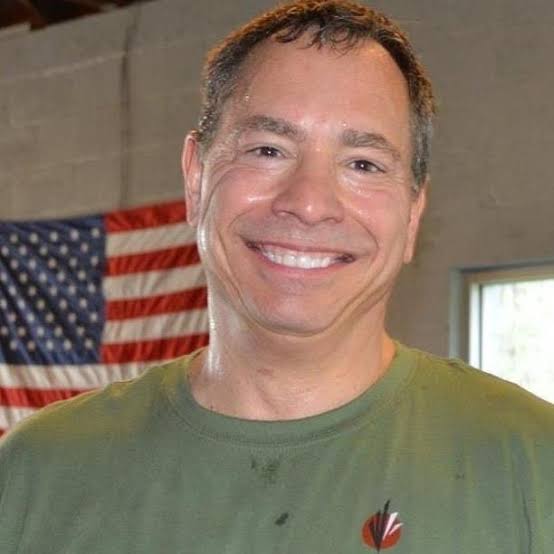
Jim Eglin
https://marylandsystema.comJim Eglin is the founder and chief instructor of Maryland Systema. He has trained in Systema, Krav Maga, judo, boxing, and jiu-jitsu, and received his full Systema instructor certification in 2019. Jim teaches practical self-defense with an emphasis on breathing, movement, balance, awareness, controlled contact, and responsible decision-making under pressure. He leads adult classes in Rockville and Takoma Park, Maryland.