A Systema school teaches you to stay aware, keep your balance, and move when space or pressure changes. If you’re new to self-defense training, you start with ordinary movements and learn how they feel when another person is nearby, when you have less room, or when you’re concentrating hard enough to hold your breath.
That approach matters because many personal safety decisions come before physical contact. In a crowded lobby, you might notice that your path is narrowing or that someone keeps following your movement. Moving toward a clear exit or a staffed area gives you somewhere to go while you still have room. Think of your first visit to a Systema school as a chance to see how a class connects those everyday decisions with breathing, balance, and movement.
1. What a Systema School Is Designed to Teach
Systema is a movement-based approach to self-defense. The starting question is simple. What can you do from the position you’re already in? Standing in an open room gives you different choices from being seated, carrying groceries, or trying to turn in a narrow hallway. Those differences matter because you begin with the time and space you actually have.
A Systema school brings breathing, posture, relaxation, and movement together. You practice noticing where your weight is, how freely you can turn, and when your shoulders tighten. That awareness gives you something specific to work on. If you need an extra step every time you change direction, slowing down helps you see where your weight settles and why the turn feels harder on one side.
You’ll often revisit the same idea from different positions. For instance, moving comfortably while you’re standing feels different from moving after getting up from a chair. When a Systema school changes one part of an exercise at a time, you get a chance to notice what still feels familiar and what needs more attention. The exercise has a purpose you can recognize even when the setup changes.
2. Why Breathing and Relaxation Matter Under Pressure
A common thing we watch for at Maryland Systema is the moment your breath stops. It can happen while you’re concentrating on a turn or getting up from the floor. You feel the effort, your jaw tightens, and you start breathing again only after the movement ends. Once you notice that pattern, you have a specific cue for when to slow down.
In a Systema school, relaxation means using the effort the movement calls for. When you stand up, your legs have work to do. A clenched jaw and raised shoulders add effort without helping you stand. Give yourself time to notice which part of your body is working and which part is simply tightening along with it.
You can pay attention to this during an ordinary movement, such as rising from a chair at a comfortable pace. Notice whether your breathing pauses near the hardest part. That small observation gives you a starting point for the breathing practice you’ll do in class. Read more about breathing under stress.
This also gives you something concrete to notice when an instructor asks you to relax. You can see whether your shoulders settle and whether you can keep breathing as you move. With practice, you can recognize excess effort earlier, before you need a break to reset. That gives you a specific goal you can work on in class.
3. Training for Decisions Before Physical Contact
A Systema school should help you pay attention to what’s changing around you. Think of a busy entrance. Standing close to others is normal there. Someone repeatedly stepping into your path as you move is a more specific change. You can use the space that’s available and head toward another route while you still have choices.
Distance is useful when it gives you room to move and a place to go. You can have several feet around you and still be boxed in by chairs, a wall, or a line of people. Ask yourself where the open route leads and whether you can reach it without getting closer to the source of concern. See our guide to managing distance in self-defense.
When a Systema school puts awareness and positioning into class practice, you can experience how easily your attention settles on the person nearest you. After an exercise, consider when you last noticed the space around you. It’s easier to work on awareness when you have an observable moment to revisit. In everyday life, the priority is to reduce immediate danger, leave when you have a clear route, and get help when needed.
4. What Class Practice Usually Feels Like
A first visit to a Systema school can include simple movement on your own and controlled work with a partner. The instructor explains what you’re practicing and sets the pace. You might start by paying attention to your breathing and balance as you change direction. Partner work adds something else to track, such as another person moving nearby or light contact within the exercise.
At Maryland Systema, beginning with manageable contact gives you time to notice what happens to your posture and breathing. The instructor can slow the pace, give you more room, or adjust the amount of contact. In a Systema school, that adjustment matters because the exercise should stay clear enough for you to learn from each attempt.
As you gain experience, the class can include more demanding partner work, closer positions, and movement near the floor. The pace depends on what you can manage that day. Progress often shows up in small ways. You notice that you can turn without pausing, that your breathing resumes sooner after effort, or that you can stay aware of the room even with a partner nearby.
Floor movement can begin with finding a comfortable way to lower yourself and get back up. Read more about building balance and preparing for safer falls.
The mix changes from class to class. A Systema school can spend much of one class on balance and another on controlled contact or restricted space. When you train with a different partner, you may notice that the same exercise feels unfamiliar again. Height, pace, and reach change what you notice. That variety gives you feedback you can use the next time you practice.
5. How a Systema School Adapts to Adult Beginners
Adults arrive with different histories. You might spend most of your day at a desk, return to exercise after time away, or already train in another martial art. Your current mobility, comfort with contact, and ability to recover between efforts each affect where it makes sense to start.
A Systema school can give two adults the same goal and different ways to practice it. If the goal is to stay balanced when changing position, one person might work standing while another uses a chair for support. You can learn at a slower pace, work through a smaller range of motion, or pause between attempts when you need time to recover.
Choose activities that fit your current abilities and build up gradually. The CDC offers more guidance in its guide to adding physical activity as an adult. In class, a manageable pace gives you time to notice what you’re doing and try a small adjustment. You’ll get more out of an exercise when you can identify what changed on the next attempt.
At our Systema school, there are no belt tests. You can track progress by looking for changes in movements you already know. Maybe standing after floor work takes less effort, or you catch yourself holding your breath earlier in an exercise. Those details give you something to build on when you come back.
6. Questions to Ask Before Choosing a Systema School
Pay attention to how the instructor introduces contact, pairs students, and responds when someone needs a slower pace. You can learn a lot by watching what happens after an exercise goes poorly. A clear explanation or a smaller adjustment gives you a sense of how that instructor helps people learn.
Consider these questions when you visit a Systema school.
- How does the instructor introduce partner work and adjust the amount of contact?
- What can you do if an exercise feels too fast or a movement is uncomfortable?
- Does the class give you time to notice how distance, obstacles, and exits affect your choices?
- Can you explain the purpose of an exercise after trying it?
- Is the location and class time convenient enough for you to attend regularly?
Notice how experienced students work with beginners. A partner who keeps the agreed pace gives you room to pay attention and make adjustments. Also notice how you feel at the end of class. Can you name one thing you learned and one thing you want to try again? That’s a useful way to decide whether the instruction fits you.
It helps to decide what brought you to a Systema school in the first place. If you want to feel more at ease with partner work, look for a class where the pace gives you room to get familiar with contact. If you want to move more comfortably, notice whether the instructor can adapt a movement you find difficult. Pick one thing to pay attention to on your first visit so you can judge the class from your own experience.
7. A Useful Place to Start at Maryland Systema
Your first visit to a Systema school is a chance to see how the class works. Wear comfortable clothes you can move in. At Maryland Systema, group classes are for adults, and you can start without previous martial arts experience, a uniform, specialized gear, or a long-term contract.
Our Systema school holds adult self-defense classes in Rockville and Takoma Park, Maryland.
- Tuesday evenings at Woodley Gardens Park in Rockville.
- Thursday evenings at Dance Exchange in Takoma Park.
- Sundays from 1:30 to 3:00 p.m. at Dance Exchange in Takoma Park.
Choose a class you can attend regularly. When you return, try to recognize something from your first visit before you move on to a new challenge. You may find that a familiar movement takes less effort or that you have enough attention left to notice your surroundings.
Your first group class is free. See the Maryland Systema class schedule.
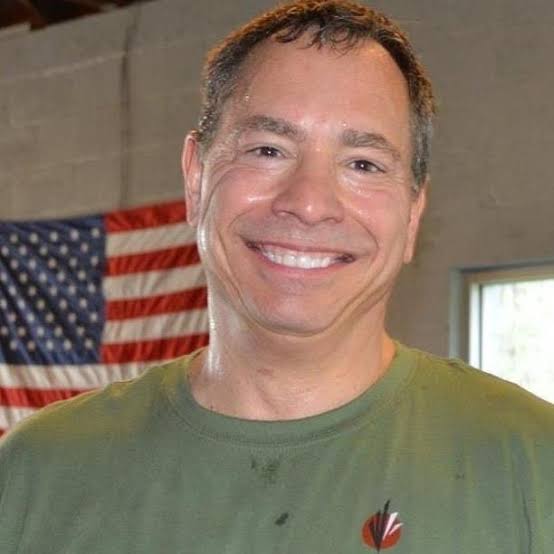
Jim Eglin
https://marylandsystema.comJim Eglin is the founder and chief instructor of Maryland Systema. He has trained in Systema, Krav Maga, judo, boxing, and jiu-jitsu, and received his full Systema instructor certification in 2019. Jim teaches practical self-defense with an emphasis on breathing, movement, balance, awareness, controlled contact, and responsible decision-making under pressure. He leads adult classes in Rockville and Takoma Park, Maryland.