Self-Defense Classes for Non-Athletes: 7 Steps to a Confident Start
Self-defense classes for non-athletes should give you a practical starting point without requiring a background in sports, martial arts, or regular exercise. You should be able to ask questions, learn basic movement, and begin working with other people at a manageable pace.
Many adults postpone training because they believe they need to become stronger, lose weight, or improve their flexibility first. Others worry about physical contact or being the least experienced person in the room. Those concerns deserve clear answers from the instructor before you begin.
Strength, endurance, and mobility matter in physical situations. However, you can start learning awareness, boundaries, distance, and decision-making while developing your physical abilities gradually. You do not need to complete a separate fitness program before exploring an appropriate beginner class.
At Maryland Systema, training centers on breathing, balance, movement, awareness, and judgment. These seven steps explain what to look for and how to approach your first classes with realistic expectations.
1. Choose Self-Defense Classes for Non-Athletes That Respect Your Starting Point
“Non-athlete” describes many different people. You might walk regularly but have no experience with contact training. You might spend much of your day sitting, dislike competitive sports, or feel awkward learning unfamiliar movements.
None of those descriptions tells an instructor everything about your abilities. A useful first conversation focuses on what you can comfortably do, what concerns you, and what you want from training.
Ask how beginners enter the class. Does everyone perform the same exercise at the same intensity? Can the instructor adjust the starting position, pace, or amount of contact? Will you have time to understand the task before pressure increases?
A manageable starting point still involves effort. You will need to move, pay attention, and practice unfamiliar skills. The difference is that the demands should allow you to learn.
For example, an exercise involving balance can begin with ordinary stepping and turning. Controlled partner pressure can follow once you understand the purpose. You do not need to begin with a fast exchange that leaves you guessing.
Look for an instructor who explains the progression clearly. Your starting ability should guide the lesson, and your questions should help shape the instruction.
2. Learn to Notice Problems Before Contact Begins
Self-defense includes decisions that happen before anyone touches you. Noticing behavior, recognizing restricted space, and identifying somewhere to get help are practical skills you can begin studying immediately.
An ordinary interaction can change when someone repeatedly ignores a request for space, follows your attempts to leave, or blocks your path. Context matters. Standing close in a crowded elevator is different from deliberately preventing someone from moving away.
Self-defense classes for non-athletes should help you explore those differences without encouraging you to treat everyone nearby as dangerous.
A useful exercise can involve noticing when another person reduces the available space and deciding when to move or speak. The purpose is to connect observation with a decision, rather than waiting for a physical problem to become obvious.
You also need to notice your surroundings. Where does a doorway lead? Is someone available to help? Are you moving toward an exit or into a more restricted area?
Our guide to distance management for self-defense explains how space affects your options. These ideas become more useful when you practice applying them under controlled conditions.
Awareness cannot prevent every assault. It gives you information you can use when an opportunity to leave, change direction, or seek assistance is available.
3. Practice Breathing, Balance, and Ordinary Movement
You do not need an impressive range of motion to begin noticing how you move. Walking, turning, stepping away, and recovering your balance provide plenty to study.
During controlled contact, pay attention to what changes. Do you stop breathing when a partner holds your arm? Do you lean so far toward pressure that stepping becomes difficult? Do you look down and lose track of the space around you?
These observations give your instructor something specific to help you address. You can reduce the pressure, repeat the task, and compare what happens when you make an adjustment.
At Maryland Systema, breathing is part of that process. You practice noticing breath-holding and unnecessary tension while continuing to move. The goal is to keep working with the situation, even when the exercise feels unfamiliar.
Self-defense classes for non-athletes should explain these connections in plain language. “Relax” is incomplete instruction unless you understand what you are tightening and how that affects the task.
Balance also involves movement. Sometimes you need to step or turn to recover, rather than trying to remain fixed in place.
Our article on mobility training for self-defense explores how usable movement supports practice. Begin within your current range and develop control before adding more demanding conditions.
4. Build Physical Effort Gradually
You should expect physical work in self-defense training. Depending on the class, that includes standing movement, partner contact, floor exercises, and repeated changes of position.
The amount you do should reflect your starting point. Someone returning after years of inactivity needs a different introduction from someone who exercises regularly but has never studied self-defense.
The National Institute of Diabetes and Digestive and Kidney Diseases recommends starting physical activity slowly and building gradually. Its tips for starting physical activity also encourage choosing activities you enjoy and setting manageable goals. This is general activity guidance, rather than an endorsement of a particular martial art. NIDDK
In self-defense classes for non-athletes, gradual progression should be visible in the lesson. An instructor can adjust the duration of an exercise, reduce resistance, or offer a different starting position while preserving the learning goal.
Taking a break should be straightforward. You should also be able to report pain or difficulty without being pushed to continue the same activity.
Tell the instructor about relevant limitations before class. If a health condition or injury leaves you unsure about suitable activity, ask your healthcare professional for guidance.
Fitness remains valuable. Building it over time can support your training, while an appropriate class lets you start learning before you reach an imagined standard of readiness.
5. Learn With Partners Who Communicate and Use Control
For many beginners, working with another person is more intimidating than the exercise itself. You do not yet know how much contact to expect or whether your partner will respect your limits.
Clear instructions help. Before an exercise begins, you should understand what contact is involved, what each person is practicing, and how to stop.
A responsible partner follows those limits. They slow down when asked, avoid unexpected increases in force, and give you time to understand the task. Experience should make someone better at adjusting their practice to the person in front of them.
Self-defense classes for non-athletes need this kind of cooperation, but cooperation should still provide useful feedback. A partner who releases every hold automatically gives you little information. A partner who turns every exercise into a contest makes learning harder.
The instructor should help students work between those extremes. Pressure needs to be meaningful enough to reveal a problem and manageable enough to let you investigate it.
Notice how the instructor supervises the room. Do they check on beginners? Do they correct contact that exceeds the task? Do students feel able to ask questions?
Trust grows through repeated, observable behavior. You should not have to accept uncontrolled contact as the price of learning self-defense.
6. Connect Physical Practice With Boundaries and Escape
A physical exercise should have a purpose beyond completing a movement. You need to understand what problem it addresses and how the result relates to getting safe.
For example, creating separation matters because it can give you room to leave or seek help. Recovering balance matters because it restores movement options. A verbal boundary communicates what you want while you assess what happens next.
Self-defense classes for non-athletes should introduce those connections early. A beginner can practice a short statement, notice available space, and move toward a designated exit without needing advanced physical skills.
As students progress, training can address grabs, pushes, restraint, controlled striking, ground movement, and more complicated situations. Those subjects require appropriate instruction and supervision. They do not all need to appear in your first class.
No program can promise that a smaller or less experienced person will overcome a stronger attacker. Weapons, surprise, and several people add serious risks. Responsible training acknowledges those limits rather than using reassuring claims to replace them.
Your goal is to develop more useful choices within your abilities. That includes recognizing when to leave, when to ask for help, and how to continue looking for an exit if contact begins.
Physical practice and judgment should develop together.
7. Measure Progress Through Specific Changes
It is easy to compare yourself with an experienced student and overlook what you are learning. Their movement reflects practice you have not yet had.
Choose a smaller, more useful measure. Can you explain the purpose of an exercise? Do you notice sooner when you stop breathing? Can you recover your balance without repeating the same unnecessary movement?
Progress also includes communication. Asking a partner to reduce pressure, telling the instructor what you do not understand, and recognizing when you need a break all support better practice.
In self-defense classes for non-athletes, improvement should not depend entirely on becoming faster or working harder. You also need clearer understanding and better decisions.
After class, identify one thing you learned and one question to bring back. That gives your next visit a direction without turning every lesson into a test.
Some days will feel easier than others. Fatigue, unfamiliar partners, and changes in the task affect how you perform. Look for patterns across several classes rather than judging your ability from one difficult exercise.
A useful instructor helps you recognize those patterns and choose the next step. You should gradually become better able to describe what you are practicing, where you struggle, and what adjustment helps.
What to Expect at Your First Maryland Systema Class
Your first visit gives you an opportunity to observe the teaching and try a manageable introduction. You do not need previous martial arts experience or an interest in competition.
At Maryland Systema, there are no belt rankings, uniforms, or specialized equipment to buy. Wear comfortable clothing that allows you to move, and discuss relevant limitations before participating.
Early work can include breathing, posture, stepping, turning, and controlled partner exercises. The instructor should explain what you are exploring and help you find an appropriate pace.
Our adult self-defense classes in Takoma Park take place at Dance Exchange, 7117 Maple Avenue, Studio 3. Beginners can start at a manageable pace, and your first group class is free.
Use that visit to assess more than whether you enjoyed the activity. Notice how questions are answered, how partners communicate, and whether you understand the purpose of the work. Those details help you decide whether the class fits your needs.
Start With Your Current Abilities and Build From There
You do not have to think of yourself as athletic to begin learning. You need an appropriate starting point, clear instruction, and opportunities to practice consistently.
That does not mean physical ability is irrelevant. Strength, endurance, and mobility can expand what you are able to do. An honest training program respects those realities while helping you develop skills at your present level.
Begin with a practical goal. You might want to feel less uncertain about contact, understand how distance affects your choices, or move with better balance during an exercise. Share that goal with the instructor so your practice has a clear direction.
After a few classes, review the experience. Are you receiving useful feedback? Can you ask for an adjustment? Do you understand more about your movement and decisions than when you started? Those questions help you evaluate progress without comparing yourself with everyone else.
Give yourself enough time to learn unfamiliar work. One difficult exercise does not define your ability, and one successful attempt does not mean you have mastered the problem. Return to the same learning goal with different partners and manageable changes in pressure. Notice what remains useful and what needs further attention. This approach gives you concrete reasons to continue, while keeping expectations connected to what you have actually practiced.
Self-defense classes for non-athletes should help you build awareness, movement, boundaries, and judgment from the abilities you have today. Look for responsible partners, gradual progression, and instruction you can understand. You can begin learning now and develop your physical capacity alongside your self-defense skills.
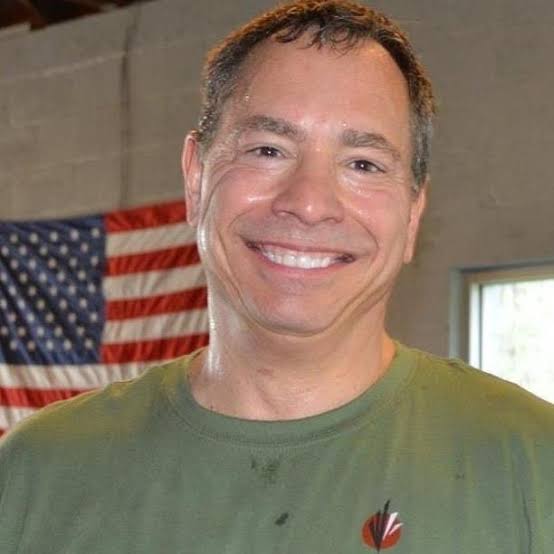
Jim Eglin
https://marylandsystema.comJim Eglin is the founder and chief instructor of Maryland Systema. He has trained in Systema, Krav Maga, judo, boxing, and jiu-jitsu, and received his full Systema instructor certification in 2019. Jim teaches practical self-defense with an emphasis on breathing, movement, balance, awareness, controlled contact, and responsible decision-making under pressure. He leads adult classes in Rockville and Takoma Park, Maryland.