A situation involving more than one aggressive person changes how you need to think about self-defense. The goal of self-defense against multiple attackers is not to control everyone or stay and fight longer than necessary. It is to recognize danger early, keep from being surrounded, protect yourself from immediate harm, and move toward a safe exit as soon as you can.
Self-defense against multiple attackers requires a distinct strategy focused on early danger recognition, preventing encirclement, and moving toward a safe exit rather than engaging each person individually. This approach is crucial because multiple aggressors can easily divide attention and surround an individual, making traditional one-on-one tactics ineffective. Maryland Systema emphasizes training to notice changes sooner, stay mobile, manage distance, and utilize the environment to create separation and escape. The primary goal is to avoid physical contact entirely by creating distance and moving to safety before becoming surrounded.
That becomes harder when several people are involved. One person may hold your attention while someone else moves to your side or behind you. Someone who first appears uninvolved may suddenly take part. Your surroundings also matter. Parked cars, walls, furniture, narrow hallways, poor lighting, uneven ground, or other people can reduce your space and make movement more difficult.
Useful training should reflect that uncertainty. No single response works in every situation. Training can help you notice changes sooner, keep breathing under pressure, stay mobile, manage distance, and make better decisions as the people and environment around you change.
Preventing Trouble Before It Becomes Physical
The best outcome is to recognize the problem early enough to avoid physical contact. That does not mean dismissing a threat or hoping it goes away. It means paying attention to changes in behavior, distance, and positioning before you lose the space to leave.
Notice when an argument starts becoming more physical even though no one has touched you yet. Someone keeps closing the distance after you step away. People begin spreading out around you instead of remaining together. One person blocks your path or keeps your attention while someone else moves to your side or behind you. None of these actions proves that an attack is coming, but they give you good reason to become more alert and start moving.
Create distance while you still have room. Move toward better lighting, other people, an open business, security staff, a transit employee, or another place where help is easier to reach. If you are with family or friends, keep everyone moving together rather than allowing people to become separated.
You can also set a clear verbal boundary without turning the situation into an argument. A calm statement such as, “I don’t want any trouble,” makes your intentions clear while keeping your attention on leaving.
Do not get drawn into insults, challenges, or the need to have the last word. In a situation involving several people, every extra moment can reduce your options. Leaving before you become surrounded is often far more useful than trying to manage the situation after physical contact begins.
Why Self-Defense Against Multiple Attackers Requires a Different Approach
When several people are involved, trying to deal with each person one at a time can quickly leave you focused in the wrong direction. Under stress, your attention naturally narrows, which makes it easier to miss someone moving beside you or coming from behind. Your priorities need to stay simple and practical.
- Keep people in front of you when possible. Keep moving so you can see as much of the group as possible. That may mean stepping sideways, changing angles, or moving toward open space instead of remaining in one position while people spread around you.
- Protect you distance. Space gives you more time to see what is happening, change direction, communicate, and find a way out. If someone grabs or crowds you, the immediate goal is usually to regain enough space and balance to keep moving rather than staying close and exchanging force.
- Use what is around you. Tables, benches, parked vehicles, doorways, fences, and other obstacles can make it harder for several people to reach you at the same time. They can also help you create separation while you move toward an exit.
- Keep moving toward safety. Do not allow the situation to become a contest over who is tougher. Your attention should remain on where you can move, what is blocking you, and which direction gives you the best chance to leave.
These priorities will not always fit together perfectly. Moving toward an exit may temporarily bring you closer to one person. Changing direction to keep someone in sight may open another angle. There is rarely a perfect position in a fast-moving situation. What matters is continuing to adjust, protecting your ability to move, and looking for the first realistic opportunity to get away.
Keep Moving Instead of Getting Stuck
One of the biggest problems during close-range pressure is becoming fixed in one place. Stress can cause you to hold your breath, tighten your body, lose your posture, and focus too much on the person directly in front of you. Once that happens, it becomes harder to move, recover your balance, or notice someone approaching from another direction.
Breathing helps you stay functional. A steady exhale can reduce unnecessary tension and make it easier to keep moving after a shove, grab, or unexpected collision. Staying relaxed does not mean becoming passive. It means avoiding more tension than you need so your body can continue to adjust as the situation changes.
Try to keep a balanced posture while you move. Keep your knees flexible, your head up, and your feet in a position that allows you to change direction without getting tangled. Avoid leaning so far forward or backward that a small amount of pressure can take away your balance.
If you stumble or lose your footing, make recovering your movement the priority. Regain your balance, look up, and continue moving toward space rather than becoming focused on the person who caused the disruption. In a situation involving multiple people, staying mobile gives you more options than becoming fixed in one place.
If Physical Contact Becomes Unavoidable
Physical contact can begin quickly, even when you have tried to avoid it. Someone may grab your clothing, push you, catch an arm, or collide with you while other people are close by. In that moment, complicated responses become difficult to use. Simple priorities matter more.
Protect your balance and keep breathing. Avoid becoming so focused on one grab or one person that you lose track of what is happening around you. Keep moving, turn toward open space when possible, and work to create enough separation to leave.
If you need to use physical force to protect yourself from immediate harm, the purpose should be to create an opportunity to get away. The goal is not to remain engaged longer than necessary.
This is also why practicing one fixed response has limits. Something that works against one cooperative training partner can change quickly when another person approaches from the side, space becomes restricted, or your footing is poor. Realistic training should include changing angles, limited space, verbal distractions, unexpected contact, and the need to keep moving after you create an opening.
The important skill is not memorizing one answer. It is learning how to protect yourself, stay aware, and adjust when the situation does not unfold the way you expected.
If You End Up on the Ground
Falling or being knocked down becomes more serious when several people are involved. Your priority is usually to protect yourself, understand where the immediate danger is coming from, and get back to a position where you can move away.
Protect your head and stay aware of what is happening around you. Do not become so focused on one person that you lose track of others nearby. If you have enough space to stand safely, get back to your feet and keep moving. If someone is too close, you may need to create space or change your position before trying to stand.
There is no single way to get up that works in every situation. The surface, nearby obstacles, your position, and the location of other people all affect what makes sense. Sometimes standing immediately is the best choice. In other situations, moving along the ground briefly may give you a safer angle before you rise.
This is why ground movement should be part of practical self-defense training. Controlled practice with falling, protecting yourself on the ground, moving under pressure, and returning to your feet helps you become more comfortable with a situation that can otherwise feel disorienting and difficult to manage.
Awareness Includes What Is Happening Inside You
Awareness is not only about watching the people around you. It also means noticing your own condition and recognizing when something is reducing your attention or slowing your decisions. Fatigue, alcohol, anger, distraction, headphones, a phone in your hand, or simply being in a hurry can all make it harder to notice a problem developing.
Before walking through a parking garage, leaving a transit station, or heading out from a social event, take a moment to look around. Notice the lighting, nearby people, available exits, and anything that seems unusual. Put your phone away long enough to see what is happening around you instead of dividing your attention between the screen and your surroundings.
If something does not feel right, you do not have to continue with your original plan. Cross the street, go back inside a public place, wait for someone you trust, contact security, or choose another route. Small decisions made early can give you more options before a situation becomes harder to manage.
This is not about moving through everyday life expecting trouble. It is about staying attentive enough to recognize when circumstances change. Most people will never face a serious assault involving several attackers, but the same habits that help in a rare emergency can also improve everyday awareness, judgment, and decision-making.
Training Should Prepare You for the Unexpected
No training can make a situation involving multiple attackers predictable. What training can do is help you develop skills that remain useful when things change quickly: breathing under stress, maintaining balance, staying mobile, noticing what is happening around you, setting boundaries, and recognizing when you have an opportunity to leave.
At Maryland Systema, multiple-person drills can be introduced gradually so students have time to understand how pressure changes their movement and attention. You do not need to compete, earn a rank, or meet a particular athletic standard. Beginners can work at a manageable pace while learning how posture, breathing, movement, and awareness change as more variables are added.
The purpose of training for self-defense against multiple attackers is not to make you feel invulnerable. It is to help you notice problems sooner, recover when something unexpected happens, and avoid becoming fixed on a single person or response. Just as important, training should reinforce that getting away is often the best outcome.
With consistent practice, you can become more comfortable making decisions while distance, direction, and pressure are changing. That gives you a practical way to prepare for difficult situations without pretending that any response guarantees a particular result.
Frequently Asked Questions
- 1 How does self-defense against multiple attackers differ from a single attacker situation?
-
When facing multiple attackers, the goal shifts from controlling everyone to recognizing danger early, avoiding being surrounded, protecting yourself, and finding a safe exit. One person may distract you while another moves, and your surroundings can make movement more difficult.
- 2 What strategies are taught to prevent a multi-attacker situation from becoming physical?
-
The training emphasizes recognizing early warning signs like changes in behavior or positioning. Strategies include creating distance, moving toward safer areas with more people or security, keeping companions together, and setting clear verbal boundaries to avoid escalation.
- 3 How does this training help maintain calm and make better decisions under pressure?
-
Training helps you notice changes sooner, keep breathing under pressure, stay mobile, manage distance, and make better decisions as the situation evolves. The focus is on adapting to changing people and environments to improve your response.
- 4 What practical skills does this training provide for real-world self-defense scenarios?
-
The training focuses on practical skills like situational awareness, managing distance, maintaining balance, and effective movement to protect yourself and find a safe exit. It prepares you to adapt to the uncertainty of real-world situations involving multiple people and varied environments.
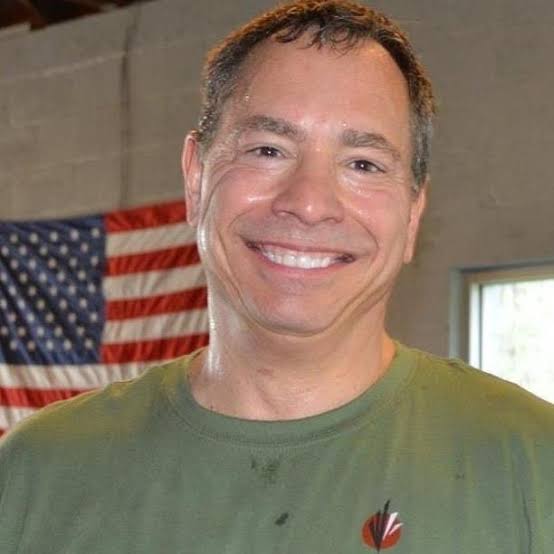
Jim Eglin
https://marylandsystema.comJim Eglin is the founder and chief instructor of Maryland Systema. He has trained in Systema, Krav Maga, judo, boxing, and jiu-jitsu, and received his full Systema instructor certification in 2019. Jim teaches practical self-defense with an emphasis on breathing, movement, balance, awareness, controlled contact, and responsible decision-making under pressure. He leads adult classes in Rockville and Takoma Park, Maryland.