Practical Self-Defense Skills for Adults: 6 Effective Habits
Practical self-defense skills for adults include noticing changes, communicating boundaries, maintaining balance, and moving toward safety. Physical responses are part of the subject, but they work within a larger set of decisions about distance, contact, and opportunities to leave.
Knowing an idea and applying it while another person moves are different experiences. You can understand the value of staying balanced yet discover that you lean forward when someone pulls your arm. You can plan to create distance yet stop moving when a partner steps closer.
At Maryland Systema, controlled practice gives you time to notice these habits and work on them. You begin with manageable tasks, receive feedback, and gradually explore changing conditions.
The following six habits explain what you can practice and how to recognize progress.
1. Practical Self-Defense Skills for Adults Begin With Observation
Observation means noticing information that affects your next decision. That includes another person’s behavior, changes in distance, nearby obstacles, and available routes away.
Focus on actions rather than assumptions about appearance. Someone repeatedly blocking your movement deserves a different response from someone briefly standing in your way without noticing.
In class, an observation exercise can begin with a partner moving nearby while you maintain awareness of the surrounding space. As the partner changes direction, notice whether your attention stays flexible or becomes fixed on one detail.
You can then add a simple decision. Which direction gives you more room? Can you move without stepping into another student? Is the route you noticed earlier still available?
Practical self-defense skills for adults develop through this connection between noticing and acting. Looking around has a purpose when the information changes what you do.
A useful sign of progress is recognizing a restriction before you reach it. You begin adjusting your position earlier instead of waiting until someone or something blocks your movement.
2. Connect Clear Boundaries With Changes in Distance
A boundary communicates what you want. Movement helps you respond when the other person does not cooperate.
Short statements give you something straightforward to practice:
- “Please step back.”
- “Do not touch me.”
- “I’m leaving now.”
- “I don’t want to continue this conversation.”
During an exercise, practice speaking while remaining aware of your footing and the space around you. Notice whether you stop moving to finish your sentence or become so focused on the words that you miss an opening.
Your partner can respond in different agreed ways. They can stop, move aside, or continue approaching slowly. Each variation gives you a different decision without requiring high intensity.
Our work on distance management in self-defense connects these choices with position and movement.
Practical self-defense skills for adults should include recognizing when communication has served its purpose. Repeating a boundary is not always useful. If a route away is available, you can use it without waiting for agreement.
Progress means more than speaking loudly. Look for clearer words, continued awareness, and a decision that fits what happens next.
3. Keep Breathing During Movement and Contact
Breathing practice gives you a way to observe your reactions while you work. During an unfamiliar task, notice whether you hold your breath, clench your jaw, or tighten your hands.
Begin with movement you can follow comfortably. Then introduce light contact or a change in direction. Does your breathing stop as soon as another person affects your position?
At Maryland Systema, we practice breathing alongside stepping, turning, and changing levels. The instructor can reduce the pace so you have time to notice what you are doing.
Our breathing exercises support this attention to movement and effort. They should not become another task that distracts you from the person or space in front of you.
When developing practical self-defense skills for adults, the goal is to remain able to act while experiencing difficulty. You do not have to feel perfectly calm before making a useful decision.
In an actual emergency, leaving or obtaining help takes priority over completing a breathing pattern. Practice should support those actions.
A useful sign of progress is noticing breath-holding sooner and adjusting the exercise before you become absorbed in straining through it.
4. Recover Balance While Changing Position
Balance includes the ability to adjust when your position changes. Turning, reaching, stepping around an obstacle, and responding to contact all place different demands on it.
The American Heart Association’s balance exercise guidance explains that balance supports everyday activities such as walking and using stairs. It also notes that balance exercises can help prevent falls. That supports the value of balance practice generally, rather than establishing that a particular self-defense method prevents injury.
In class, you can explore balance through a simple task: maintain enough support to move while a partner applies light pressure. Notice whether you lean, plant your feet, or try to solve everything with your arms.
An instructor can help you examine foot placement, direction, and the amount of effort you use. The task can then change gradually.
Practical self-defense skills for adults should connect balance with a destination. Recovering your position is useful because it lets you take another step, change direction, or move away.
Training needs to account for current mobility and comfort. A student who needs support or a smaller range of movement should have an appropriate starting point.
Progress can mean recovering with fewer hurried steps or recognizing earlier that your position no longer supports the movement you want to make.
5. Adjust When the Starting Position Changes
A response that works in one exercise needs further examination when the conditions change. A partner’s reach, direction of pressure, or grip can alter the problem.
Start with one task you understand. Then vary one feature. You can work with a different partner, begin seated, or practice with less open space.
This helps you identify what changed instead of treating every unsuccessful attempt as a need for more strength or speed.
For practical self-defense skills for adults, useful questions include:
- Where do I have room to move?
- What is restricting me?
- Am I continuing a response that no longer fits?
- Has my partner released the contact?
- Is there an opportunity to disengage?
Ground positions add further considerations. Our ground movement self-defense training explores protection, orientation, changing position, and returning to your feet when appropriate.
More complex subjects, including multiple-person pressure and weapon-related problems, require careful supervision and preparation. They are not proof that someone can reliably handle those dangers outside class.
Progress means recognizing when to change your approach, including when to stop an action that no longer serves the task.
6. Make Decisions Under Gradually Increasing Pressure
Controlled resistance helps you discover the difference between understanding an exercise and applying it while another person influences your movement.
A partner can begin with light contact and a predictable direction. Later, the instructor can vary timing, resistance, or available space. Each change should have a clear learning purpose.
You should understand the task, the expected contact, and how to pause or stop. Partners need to respect those limits immediately.
An exercise can also include moments when the pressure decreases. If a grip releases or an opening appears, do you notice? Can you move away, or do you continue because you expected a longer exchange?
These are practical self-defense skills for adults that deserve deliberate attention. Training should reward recognizing an option, not merely finishing a sequence.
Afterward, review one or two observations with your instructor. Identify where you stopped moving, what you noticed late, or which adjustment helped. That gives your next attempt a specific purpose.
Pressure is useful when it provides information you can learn from. It should not become a contest over who can tolerate more discomfort.
Choose Practice You Can Maintain
A seminar can introduce ideas, while regular classes give you opportunities to revisit them with different people. Choose a schedule that allows you to attend consistently and ask questions as they arise.
Before joining, ask how beginners are introduced to contact and how exercises change for different abilities. Explain relevant movement limits so the instructor can discuss suitable options.
You do not need to measure progress by comparing yourself with another student. Look for changes in your own attention, communication, balance, and ability to respond when an exercise develops differently.
Our beginner guide to Systema training explains how to prepare for a first class and evaluate the instruction.
Practice With Maryland Systema
During your first few classes, choose one question to explore rather than trying to remember everything. Can you notice when you stop breathing? Can you move without losing track of your partner? Can you recognize an opening before adding more effort? Share what you notice with your instructor so the next exercise addresses a specific difficulty. Working with different partners also gives you useful feedback about habits that remain hidden with someone familiar. Over time, these observations give your practice direction. You return knowing what you want to examine, while staying open to what each new exercise helps you discover.
Maryland Systema offers adult training in Rockville and Takoma Park. Classes connect awareness, breathing, balance, movement, and decisions through controlled partner work.
Your first group class is free. No uniform, specialized equipment, or previous martial arts experience is required. Check the current class schedule to find a location and time.
Practical self-defense skills for adults develop through practice that gives each movement a purpose. Learn to notice changes, communicate clearly, maintain useful balance, and recognize opportunities to leave. Start at a manageable pace and use feedback to guide what you work on next.
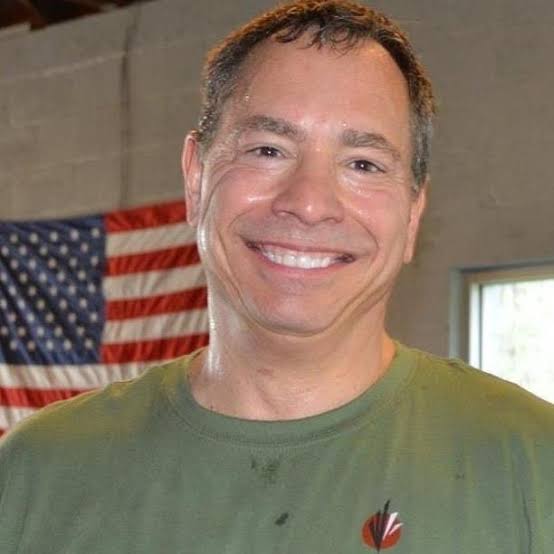
Jim Eglin
https://marylandsystema.comJim Eglin is the founder and chief instructor of Maryland Systema. He has trained in Systema, Krav Maga, judo, boxing, and jiu-jitsu, and received his full Systema instructor certification in 2019. Jim teaches practical self-defense with an emphasis on breathing, movement, balance, awareness, controlled contact, and responsible decision-making under pressure. He leads adult classes in Rockville and Takoma Park, Maryland.