Ground Movement Self-Defense: 7 Effective Training Goals
Ground movement self-defense prepares you to protect yourself, stay oriented, and find opportunities to move when you are no longer standing. A curb, slippery floor, unexpected shove, or pull on your clothing can disrupt your balance. Once you reach the ground, your surroundings and the position of another person affect what you can do next.
For adults, the training goal is to regain useful movement and reach safety. That includes recognizing when you have room to stand, when you need to change position first, and when calling for help becomes a priority.
At Maryland Systema, we approach ground movement through controlled practice in breathing, balance, awareness, and changing position. Beginners start at a manageable level, with adjustments for their experience and physical limits.
The following seven goals explain what useful training should address.
1. Ground Movement Self-Defense Starts With Orientation
Reaching the ground changes your view of the situation. Another person, a parked vehicle, furniture, or a crowd can block your sight. The direction you were moving before losing balance is not necessarily the best direction afterward.
Training should help you notice your position and the space around you. Where is the immediate pressure coming from? Is your movement restricted? Is there an opening toward a safer area?
In a controlled exercise, you can begin seated or lying down while a partner changes position nearby. The task is to keep track of that movement and notice how your options change. Speed is unnecessary at the beginning.
This part of ground movement self-defense connects observation with action. Turning or shifting has a purpose when it improves your position, creates room, or helps you locate a route away.
Keep the surrounding area in mind too. Focusing entirely on one person can leave you unaware of nearby feet, obstacles, or additional people.
2. Practice Changing Position Before Adding Pressure
Beginners benefit from becoming familiar with basic floor movement before another person adds resistance. Sitting, turning, changing levels, and returning to standing can each reveal where you need more time or support.
Start from a position you can manage comfortably. An instructor can adjust the range of movement, use a different starting position, or replace an exercise that places unsuitable demands on your knees, hips, back, or shoulders.
The aim is to understand how you move between positions. Notice where your weight rests, which parts of your body provide support, and whether you rush through a difficult transition.
Ground movement self-defense does not require acrobatics. A small adjustment that gives you room to move can be more useful than a large movement you cannot control.
Practice should take place on an appropriate training surface with enough clear space. You do not need to rehearse falls on concrete or other hazardous surfaces to understand that those surfaces change the risks.
3. Keep Breathing While You Work
During an unfamiliar exercise, notice whether you hold your breath, clench your hands, or brace your whole body. Those habits give you something specific to examine with your instructor.
Our work with breathing and relaxation connects breathing with movement and contact. Begin slowly enough to notice what happens as you turn, shift your weight, or prepare to stand.
For example, you can practice a simple transition without resistance, then repeat it while a partner adds light contact. Does your breathing change immediately? Do you stop moving while trying to push harder?
In ground movement self-defense, breathing practice supports the task you are doing. You do not need to become perfectly calm before acting, and you should not delay an available escape to complete a breathing exercise.
If the exercise becomes difficult to follow, reduce the pressure or pause. That gives you time to understand the problem instead of repeating the same struggle.
4. Protect Yourself While Looking for Space
Ground training needs to address protection as well as movement. Your head and neck are vulnerable, and changing position without considering the other person’s location can expose you to further harm.
An instructor should help you explore how to protect yourself while retaining options to look, turn, and move. No single posture provides protection in every situation.
A controlled exercise can examine whether a position leaves you able to change direction or makes you feel stuck. The partner’s role is to provide agreed pressure, not to force you through the exercise.
Ground movement self-defense also involves judging the space you create. Moving farther is not automatically better if it takes you toward a wall, traffic, stairs, or another person.
Nearby objects can affect the situation in different ways. A substantial obstacle can separate you from someone, while a lightweight chair can shift or fall. Training should encourage you to assess the surroundings rather than assume every object provides reliable protection or support.
5. Learn When and How to Return to Your Feet
Getting up is a skill that needs to account for your surroundings, physical ability, and the position of another person. A method learned in open space will not fit every setting.
In training, practice different starting positions and directions under supervision. Explore whether you need more room before standing and whether the route you intend to use remains clear.
An attempt to stand can return you directly into contact if you ignore the person nearby. On the other hand, remaining on the ground after an opening appears can mean missing an opportunity to leave.
Ground movement self-defense should connect standing with the next decision. Once upright, can you maintain balance, create distance, and move toward safety?
Accidental falls require a separate judgment. Guy’s and St Thomas’ NHS provides guidance on what to do after a fall, including getting up indoors when you are uninjured and able to do so. Its advice emphasizes taking your time, using sturdy support, and resting afterward. That guidance concerns fall recovery, not an ongoing assault.
If you suspect an injury or cannot get up safely, seek help rather than forcing a practiced movement.
6. Add Resistance Gradually and Respect Limits
Once basic movement becomes more familiar, a partner can introduce light contact or restrict one available route. This helps you examine how the task changes when someone else affects your movement.
An exercise might begin with finding room to turn. Later, the partner can change direction or position. Adjusting one factor at a time makes it easier to understand why a movement stopped working.
The purpose of ground movement self-defense practice is to learn under manageable pressure. It should not become a contest over who can keep the other person trapped.
Before starting, understand the task and agree on how to stop. Partners should release pressure immediately when asked. You should be able to request a different position, less contact, or a break without having to justify the request repeatedly.
Your instructor should account for differences in size, experience, and physical ability when pairing students. Pressure on the neck, uncontrolled joint loading, or restriction of breathing should not become something a beginner is expected to tolerate.
Controlled resistance gives you feedback. It does not prove how an actual confrontation will end.
7. Keep Escape and Judgment Central to Training
Ground skills belong within a wider approach to self-defense. Recognizing unwanted behavior, setting boundaries, and managing distance can give you options before you lose balance or become restrained.
Our work on self-defense skills for adults includes these earlier decisions. A useful exercise should allow students to recognize an opportunity to disengage rather than require every problem to end in continued contact.
Training also needs to acknowledge the limits of the setting. A clear training floor differs from a crowded pavement. Comfortable clothing differs from work clothes. A single cooperative partner does not represent every threat.
Discuss those differences without trying to recreate every danger physically. An instructor can change the available space or identify an exit while keeping the exercise controlled.
Progress includes recognizing when a response no longer fits. You might notice that you are moving toward an obstacle, trying to stand without enough space, or staying engaged after you have an opportunity to leave.
These decisions matter as much as completing the movement itself.
Start Ground Movement Training at Your Own Pace
You do not need previous martial arts experience or exceptional athletic ability to explore basic ground movement. You do need instruction that accounts for your starting point and gives you appropriate options.
Tell the instructor about relevant movement limits before participating. Begin with manageable tasks and ask questions when you do not understand the purpose of an exercise. A slower starting pace gives you time to learn how your body responds.
For adults in Rockville, Takoma Park, and nearby communities, Maryland Systema offers training in awareness, breathing, balance, and movement. You can check the current schedule and try one free group class.
Ground movement self-defense should help you work toward clear goals: protect yourself, stay aware of your surroundings, find room to move, and return to your feet when the situation allows. Build those abilities through controlled practice while keeping the larger goal in view: reaching safety.
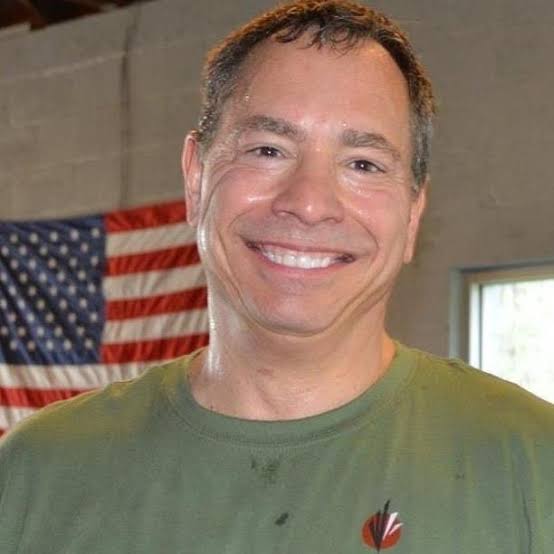
Jim Eglin
https://marylandsystema.comJim Eglin is the founder and chief instructor of Maryland Systema. He has trained in Systema, Krav Maga, judo, boxing, and jiu-jitsu, and received his full Systema instructor certification in 2019. Jim teaches practical self-defense with an emphasis on breathing, movement, balance, awareness, controlled contact, and responsible decision-making under pressure. He leads adult classes in Rockville and Takoma Park, Maryland.