Practical self-defense skills for adults begin before physical contact. The first skills involve noticing when something feels wrong, recognizing changes in distance or behavior, and creating space before your movement becomes restricted. Knowing when to leave is just as important as knowing how to respond physically. Awareness, breathing, balance, and clear judgment give you more options while there is still time to use them.
Practical self-defense skills for adults, as taught by Maryland Systema, focus on preventing conflict and responding effectively when avoidance is no longer possible. This training emphasizes developing awareness to notice problems sooner, using breathing to stay calm under pressure, and protecting one's balance to adjust as circumstances change. The approach prioritizes adaptability over memorized responses, enabling individuals to make better decisions and use physical force only when necessary to get safe.
For most adults, self-defense training is not about preparing to fight. It is about noticing problems sooner, responding without panic, and protecting yourself when avoiding the situation is no longer possible. Training should help you stay aware of what is happening, adjust as circumstances change, and use physical force only when it becomes necessary to get safe.
What You Learn in Practical Self-Defense
Self-defense is sometimes taught as a set of responses to specific attacks. Those examples can help you understand different possibilities, but real situations rarely unfold in a predictable order. Distance changes, people move, a grab can become a push, and an open path can disappear quickly.
Practical training helps you adjust as those conditions change. You learn to recognize pressure, keep moving, protect your balance, and make decisions without depending on one memorized response. These skills apply in many settings, including parking lots, public transportation, crowded spaces, and tense interactions where your movement is limited.
Not every self-defense problem requires a physical response. Often, the better choice is to set a clear boundary, create distance, move toward other people, or leave before the situation develops further. Physical skills matter when those options are no longer available, but they should support your ability to get safe rather than become your first response.
Begin With Awareness, Distance, and Clear Boundaries
Awareness does not mean treating every person or situation as a threat. It means paying enough attention to notice changes before they become urgent. You may notice that a parking area is poorly lit, a route feels unusually isolated, someone keeps closing distance after you move away, or a disagreement is becoming more tense and unpredictable.
Distance gives you more time to respond. Once someone is close enough to grab, shove, or strike, your choices become more limited. Creating space, staying near an exit, and avoiding positions where your movement is restricted can make a meaningful difference. If you need to set a boundary, keep your words simple and direct: “Stop.” “Step back.” “I don’t want any trouble.”
Your response should match the situation. A crowded train platform, workplace disagreement, parking garage, or conflict with someone you know all require different judgment. No single phrase or body position works everywhere. What matters is noticing when conditions are changing, protecting your space, and giving yourself enough room to make the next decision.
Breathing Helps You Stay Calm Under Pressure
Stress often changes the way you breathe and move. You may hold your breath, tighten your upper body, or become less coordinated without realizing it. That tension can make it harder to think clearly and respond smoothly. Learning to keep breathing gives you a simple way to stay more functional under pressure.
The goal is not to follow a complicated breathing pattern. You want to keep your breath moving while you walk, speak, change position, or deal with physical contact. A steady exhale can help reduce unnecessary tension and keep your attention on what is happening around you.
Breathing will not remove fear or replace the need to leave, call for help, or create distance. It supports those actions by helping you stay composed enough to make better decisions. In training, breathing should be practiced while moving and working under gradually increasing pressure so it becomes part of how you respond, not something you only think about while standing still.
Develop Better Balance Before Pressure Starts
Balance is not simply the ability to stand upright. It also affects how well you recover when someone bumps into you, pulls on your arm, crowds your space, or forces you to change direction. In self-defense training, better balance helps you move more comfortably, stay on your feet, get up from the ground, and respond when contact happens unexpectedly.
Useful balance comes from movement rather than stiffness. If you lock your body and try to resist every force directly, a larger or stronger person has more structure to work against. Training helps you adjust your footing, turn your body, change your height, and continue moving while keeping enough support to recover.
This makes balance training valuable for adults with different levels of fitness and experience. It can also be adjusted for older adults, people returning to regular exercise, and those working around physical limitations. The goal is not athletic performance. It is to improve how well you move, regain your position, and stay functional when something disrupts your balance.
Practical Self-Defense Should Teach You to Adapt
A fixed response can be useful when you are first learning, but real situations rarely stay fixed. The same grab can change depending on a person’s size, strength, clothing, position, fatigue, nearby walls or furniture, and whether you are already off balance. If a response only works when a partner stays still and cooperates, it does not prepare you well for changing pressure.
Adaptable training focuses on principles you can use as circumstances change. You learn to avoid becoming trapped, protect your head and posture, move toward available space, and make it harder for another person to restrict your movement. Just as important, you learn to recognize when you have an opportunity to leave and use it.
These ideas apply to strikes, grabs, restraint, close physical contact, and movement on the ground. Training can also include multiple-person pressure, confined spaces, and situations involving weapons. These situations carry greater risk, and no training can guarantee a safe outcome. The purpose is to improve your awareness, movement, and decision-making so you have more useful options when circumstances become difficult.
Learn to Respond Under Controlled Pressure
What you know can feel very different once another person starts moving, resisting, and taking up space. That is why practical self-defense training should include physical contact and changing conditions. Pressure should increase gradually so beginners can build confidence without becoming overwhelmed, while more experienced students continue learning how to adjust.
Training can begin with simple movement around a partner, then add light pushes, grabs, or attempts to limit movement. As students improve, they can work from less comfortable positions, near walls, in tighter spaces, or after physical effort. The purpose is not to make training confusing or uncontrolled. It is to help you keep breathing, stay aware, and recognize useful options while pressure increases.
The training environment also matters. You should be able to ask questions, work within your current abilities, and make mistakes without being embarrassed. Practical self-defense does not need to revolve around belts, uniforms, or proving who is stronger. It should give you a safe way to learn how your body and decision-making change under pressure.
Practical Self-Defense Skills for Adults That Fit Your Life
The most useful training is training you can attend regularly. A seminar can introduce valuable ideas, but consistent practice gives you time to improve movement, distance, breathing, balance, and decision-making. Look for instruction that explains the purpose behind each exercise, works with different fitness levels, and does not rely on fear to keep students interested.
You should also feel comfortable asking how the class works with beginners, injuries, and physical limitations. Good instruction can adjust the level of pressure without losing the purpose of the exercise. You should not need previous martial arts experience, special equipment, or an aggressive personality to begin.
Maryland Systema gives adults in Rockville and Takoma Park regular opportunities to practice practical self-defense skills for adults through adaptable movement and controlled partner work. Rather than memorizing a long list of responses, you work on improving posture, mobility, awareness, and your ability to adjust when distance, pressure, or circumstances change.
What is Maryland Systema's approach to practical self-defense training?
- 1 How does your practical self-defense training differ from traditional martial arts or combat sports?
-
The training focuses on practical skills for real-world situations, emphasizing awareness, de-escalation, and adaptable responses rather than memorized techniques or competitive fighting. It teaches you to recognize pressure, maintain balance, and make decisions as conditions change, using physical force only when necessary.
- 2 What specific skills will I learn in your practical self-defense classes?
-
You will learn skills such as situational awareness, recognizing changes in distance or behavior, and creating space. The training also covers maintaining balance, adaptable movement, and making calm decisions under pressure, with physical skills supporting your ability to get safe when avoidance isn't possible.
- 3 Is the training only about physical techniques, or does it cover other aspects of self-defense?
-
The training goes beyond physical techniques, starting with awareness to notice problems sooner and recognizing changes in distance or behavior. It emphasizes staying calm, making clear judgments, and using non-physical responses like setting boundaries or creating distance before physical force becomes necessary.
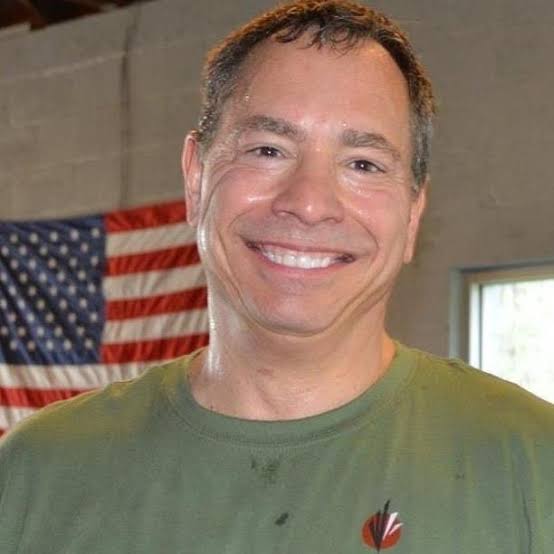
Jim Eglin
https://marylandsystema.comJim Eglin is the founder and chief instructor of Maryland Systema. He has trained in Systema, Krav Maga, judo, boxing, and jiu-jitsu, and received his full Systema instructor certification in 2019. Jim teaches practical self-defense with an emphasis on breathing, movement, balance, awareness, controlled contact, and responsible decision-making under pressure. He leads adult classes in Rockville and Takoma Park, Maryland.