Self-Defense After Injury: 6 Steps for Safer Training
Self-defense after injury starts with understanding what your body can manage now. A healing shoulder, injured knee, or recovering wrist can change your movement, balance, and willingness to make physical contact. Your approach to personal safety and training should account for those changes.
You still have decisions available before a situation becomes physical. Noticing someone approaching, keeping an exit accessible, setting a boundary, and asking for assistance all deserve attention. Returning to training involves another decision: which activities are appropriate at your current stage of recovery?
At Maryland Systema, we approach these questions through awareness, movement, and communication. Adjustments must respect your medical restrictions. A self-defense instructor can modify an exercise, but cannot determine whether injured tissue is ready for contact.
The following six steps explain how to approach training and everyday safety while you recover.
1. Establish Your Limits Before Practicing Self-Defense After Injury
Before returning to physical practice, clarify any restrictions with the clinician managing your recovery. Being able to perform everyday activities does not automatically mean you are ready for grabbing, impact, sudden changes of direction, or floor work.
Describe the activities involved when asking for guidance. A general question about exercise is less useful than asking whether you can bear weight through your wrist, kneel, turn quickly, or participate in partner contact.
The NHS guidance on returning to activity or sport after injury emphasizes gradual progression and seeking professional help when needed. Your own recovery plan should determine the starting point.
Share relevant restrictions with your instructor before class. Explain what you have been told to avoid and whether those limits have changed since your last visit.
Self-defense after injury sometimes begins with observing a class or discussing awareness and boundaries. Physical participation can wait when the available exercises do not fit your restrictions.
2. Make Earlier Decisions About Distance and Exits
An injury can reduce your ability to move quickly, change direction, or recover from a stumble. Planning around those limits gives you more options before unwanted contact begins.
Notice where you can go and whether the route suits your current mobility. A nearby exit reached by stairs is different from an accessible doorway. Moving toward other people is useful only if you can reach them without creating another problem.
Our commuter personal-safety guidance explores everyday choices about routes, surroundings, and available assistance. While recovering, consider whether you need more time, a companion, or help carrying belongings.
If someone approaches in a way that concerns you, you can change direction, return to a staffed business, or ask an employee for assistance. You do not need to wait for physical contact before taking your discomfort seriously.
A practical approach to self-defense after injury also avoids assuming that running is always available. Your plan should reflect how you actually move, including any prescribed walking aid or support.
3. Practice Clear Boundaries Without Physical Contact
Verbal practice provides a way to explore decisions without loading an injured joint. You can rehearse a short statement, identify where help is available, and consider what to do if the person ignores you.
Useful boundaries are brief and direct:
- “Please step back.”
- “Do not touch me.”
- “I’m leaving.”
- “Please call for help.”
You do not need to disclose your injury or explain your medical history to a stranger. Focus on what you need and where you intend to go.
Words do not guarantee cooperation. Pay attention to the response. Someone who continues approaching or blocks your route presents a different problem from someone who stops and gives you room.
In class, a no-contact exercise can explore these choices through discussion or role-play. Agree on the task in advance. A partner should not introduce an unexpected grab to make the exercise feel more realistic.
The purpose is to practice speaking and noticing what happens next while staying within the limits of your participation.
4. Use a Practical Example to Examine Your Options
Imagine leaving a store while recovering from a shoulder injury. Someone approaches, partly blocks your route, and keeps moving closer after you ask for space.
This is a hypothetical example, not a guaranteed escape sequence. The useful question is what you can recognize and change before the situation develops further.
If the route remains open, returning to the store and asking staff for assistance offers one option. If someone accompanies you, communicate what is happening. Avoid moving into an isolated gap between parked vehicles simply because it appears to provide a shortcut.
Your shoulder injury affects the choices you can rely on. Pulling away from a grip, pushing someone back, or supporting yourself during a fall can place demands on that shoulder. A written article cannot identify a movement that will protect every shoulder injury.
If contact occurs, no single turn or arm position guarantees release or prevents further harm. The immediate priorities are protecting yourself, seeking help, and taking an available opportunity to get away. Contact with an injured area can worsen the injury even when you respond carefully.
This example of self-defense after injury illustrates the value of earlier decisions. It does not suggest that someone who cannot avoid contact has failed. Another person’s aggression remains their responsibility.
5. Adjust the Exercise Before Increasing the Challenge
Once physical participation is appropriate, agree on the exercise and its limits before beginning. A partner needs specific instructions about contact, pace, and movements to avoid.
“Go easy” leaves too much open to interpretation. “No gripping this arm” or “No kneeling or sudden turns” communicates a clearer restriction. Those limits should come from your recovery guidance and the activity you have agreed to practice.
At Maryland Systema, our approach to practical self-defense skills for adults allows instructors to select different tasks rather than require everyone to complete one sequence. Depending on your restrictions, that can mean observation, verbal practice, or permitted movement without contact.
Discuss how the instructor will adjust contact, speed, and resistance before joining partner work. If an exercise cannot accommodate your restrictions, sit it out.
Breathing and balance remain useful areas of attention, but they do not override an injury. Staying relaxed does not make a prohibited movement acceptable, and using your uninjured side does not automatically remove strain elsewhere.
Effective self-defense after injury requires permission to pause. You should be able to stop an exercise as soon as it moves beyond the agreed task, without pressure to finish.
6. Review Your Response Before Progressing
Completing an exercise once does not establish that you are ready for more intensity. Consider how the activity felt during practice and whether symptoms changed afterward. Follow the symptom-monitoring guidance provided by your clinician.
Stop training and seek appropriate advice if you develop new or worsening pain, swelling, instability, numbness, or other concerning symptoms. Do not use a partner exercise to test whether an injured area has healed.
When progression is appropriate, change one part of the task at a time. Increasing speed, contact, and duration together makes it harder to understand which demand is causing difficulty.
Your training partner also needs to know when restrictions change. Do not assume they remember your limits from a previous class or understand a medical diagnosis without explanation.
Progress in self-defense after injury can mean making clearer decisions, communicating limits earlier, or completing an approved movement with better control. Returning to your previous level of contact is only one possible measure.
Questions to Ask Before Returning to Class
A short conversation can prevent misunderstandings. Ask your instructor:
- Can I observe or participate without physical contact?
- How will you communicate my restrictions to a partner?
- Which exercises should I skip?
- Can I pause or change activities at any time?
- What happens if the planned class includes floor work or impact?
Look for specific answers. An instructor should acknowledge the limits of what they can assess and be willing to exclude unsuitable activities.
A responsible class also distinguishes self-defense instruction from rehabilitation. Your clinician guides healing and return-to-activity decisions. Your instructor works within those boundaries when planning participation.
Returning to Maryland Systema
If you are considering a return to Maryland Systema in Rockville or Takoma Park, contact us before attending to discuss your goals and current restrictions. That conversation helps us consider whether observation, modified participation, or waiting is the appropriate next step.
An injury changes your starting point. It does not require you to abandon learning about awareness, boundaries, and everyday safety. Give recovery the time it needs and choose practice that respects your current abilities.
Self-defense after injury should support thoughtful decisions about both personal safety and training. Follow your recovery plan, communicate clearly, and build physical participation only when it is appropriate for you.
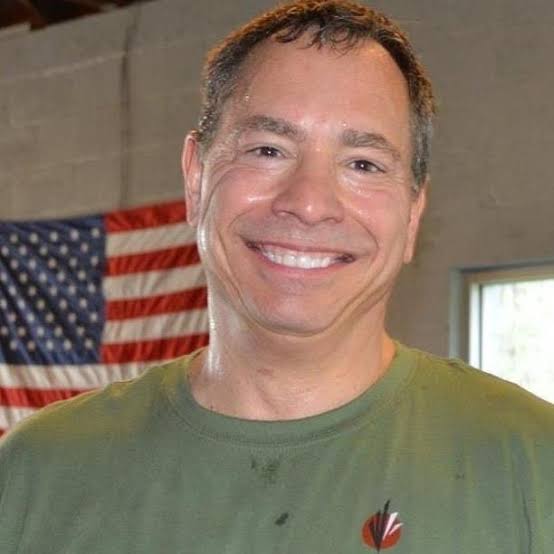
Jim Eglin
https://marylandsystema.comJim Eglin is the founder and chief instructor of Maryland Systema. He has trained in Systema, Krav Maga, judo, boxing, and jiu-jitsu, and received his full Systema instructor certification in 2019. Jim teaches practical self-defense with an emphasis on breathing, movement, balance, awareness, controlled contact, and responsible decision-making under pressure. He leads adult classes in Rockville and Takoma Park, Maryland.