Best Adult Systema Class: 7 Essential Checks Before You Join
Finding the best adult Systema class starts with understanding what you want from training and how a school helps you learn. Look for clear instruction, responsible partners, and exercises that connect awareness, breathing, balance, and movement with practical decisions.
You do not need previous martial arts experience to begin. You do need a class that introduces unfamiliar tasks at a manageable pace and explains how the work develops as you gain experience.
At Maryland Systema, we encourage adults to ask questions and experience a class before deciding whether to continue. These seven checks give you a practical way to compare instruction and judge whether a school fits your needs.
1. The Best Adult Systema Class Explains What You Are Learning
An instructor should explain the purpose of an exercise in language you understand. You should know what you are practicing, what your partner is doing, and what to pay attention to.
For example, an exercise involving a push can explore whether you notice your weight shifting, take a step, or become fixed in place. Without a clear task, students can end up competing to move each other rather than learning anything specific.
Ask what a successful attempt looks like. Sometimes the goal is to maintain balance. In another exercise, it is to recognize an opening and move away. Understanding the task makes feedback more useful.
Clear instruction also connects individual exercises to the wider purpose of training. Awareness, verbal boundaries, movement, and physical contact should relate to decisions about personal safety.
A class does not need complicated explanations. It needs enough direction for you to practice with purpose and recognize what needs attention.
2. Pressure Increases at a Manageable Pace
Beginners need time to understand movement and contact before a partner adds resistance or unpredictability. A useful starting exercise gives you room to pause, ask questions, and try again.
As you gain experience, the challenge should develop. A partner can change direction, vary the timing, or offer more resistance within agreed limits. The instructor should explain what changes and why.
When comparing options for the best adult Systema class, ask how students progress beyond cooperative practice. Slow movement provides time to notice habits, but it does not by itself establish that a response works against resistance.
The progression matters in both directions. Students need opportunities to encounter difficulty, and they need permission to reduce the challenge when it prevents useful learning.
You should be able to explain what an exercise is testing. Simply making contact faster or harder does not automatically make the practice more relevant.
3. Partners Listen and Respect Limits
Watch how experienced students work with newcomers. Do they explain the task, check the pace, and respond when someone asks them to stop?
Responsible partners help each other learn. They do not turn an agreed exercise into an unexpected contest or introduce contact that the other person has not agreed to practice.
This matters during work involving grabs, close contact, and ground movement. Students should know how to pause and what contact is permitted before beginning. The instructor should remain attentive and intervene when needed.
Notice how the class handles mistakes. Can someone admit that they misunderstood an exercise? Can a student ask for less pressure without an argument? Those moments tell you more than a demonstration alone.
The best adult Systema class for you should provide both challenge and a setting where you can communicate honestly. Trust grows when partners consistently respect the limits of the task.
4. Exercises Account for Your Starting Point
Adults arrive with different levels of strength, mobility, fitness, and experience. A class should recognize those differences when assigning exercises and introducing contact.
Ask how the instructor adjusts the work. A useful answer gives examples, such as changing the starting position, reducing resistance, or choosing another task when floor movement is unsuitable.
An adjustment should preserve a clear learning purpose. You still need to understand what you are working on, even when your version differs from your partner’s.
If you are recovering from an injury, explain any medical restrictions before participating. An instructor can modify training within those limits, but cannot determine whether an injury has healed or whether you are ready for contact.
Do not choose a school solely because someone says that Systema suits everyone. Finding the best adult Systema class means examining whether the actual instruction fits your current abilities and goals.
5. Physical Practice Connects With Awareness and Leaving
Self-defense involves decisions before, during, and after contact. A useful class should address noticing a developing problem, setting a boundary, recognizing available space, and deciding when to disengage.
Our discussion of distance management for self-defense explains why movement needs a purpose. Stepping away helps only if you notice where that step takes you and whether the route remains open.
Breathing also needs a practical connection. In training, you can notice whether you hold your breath or use more effort than the exercise requires. Breathing exercises provide opportunities to explore those habits alongside movement.
Physical practice should account for changing conditions. A grab involves more than freeing a hand. Your balance, the other person’s movement, nearby obstacles, and available exits also affect your options.
Ask whether the class practices recognizing when an exercise can end. Continuing an exchange after an opportunity to leave appears can work against the purpose of self-defense.
No class can guarantee how you will respond in a confrontation. Responsible instruction explains both the usefulness and the limits of what students practice.
6. Instructor Experience and Reviews Provide Specific Information
Ask about the instructor’s training background, teaching experience, and approach to working with adult beginners. Credentials provide context, but you still need to observe how that experience translates into instruction.
An instructor should answer reasonable questions without relying on status or dramatic claims. Look for explanations of how classes are planned, how contact progresses, and how feedback helps students improve.
Reviews can add another perspective. Read comments about how newcomers were treated, whether explanations were clear, and how partners handled differences in experience.
You can consult Vladimir Vasiliev’s official Systema school directory to check whether a school is listed within his teaching network. Certification provides background, but you should still observe a class, ask about the instructor’s experience, and evaluate how students practice together.
When searching for the best adult Systema class, use reviews to develop questions rather than make the entire decision. An enthusiastic comment about a seminar does not necessarily describe weekly classes, and another student’s priorities will not always match yours.
7. The First Class and Practical Arrangements Fit Your Life
Training needs to fit your schedule well enough for you to attend consistently. Confirm the location, class times, fees, and cancellation arrangements before committing.
Ask whether the school requires a uniform, equipment purchases, or a long-term contract. Find out what beginners participate in and whether you can observe before joining physical practice.
Our beginner guide to Systema training introduces the approach and gives you a starting point for further questions.
During your first visit, notice whether the class matches the explanation you received. Are exercises introduced clearly? Does someone help you understand an unfamiliar task? Can you discuss a concern without feeling rushed?
Your first class does not need to answer every question about Systema. It should give you enough information to decide whether the instruction is worth exploring further.
The best adult Systema class is one you can attend regularly, learn from, and discuss openly with the instructor. Convenience matters, but so does how the class treats you once you arrive.
What Progress Can Look Like
Early progress often appears in small, specific changes. You notice breath-holding sooner, recover your position during an exercise, or recognize space you previously overlooked.
These observations give you something to practice. Ask your instructor for feedback about what changed and what still needs work. Feeling more comfortable is useful, but comfort alone does not demonstrate skill under greater pressure.
As training develops, revisit familiar tasks under different conditions. Changes in timing, resistance, and available space help you examine whether you can still apply what you learned.
Consistent practice also reveals limits. Recognizing that a movement stops working is valuable when it leads to better judgment and further learning.
Try a Maryland Systema Class
Maryland Systema offers adult training in Rockville and Takoma Park. You do not need previous martial arts experience, a required uniform, specialized equipment, or a long-term contract to begin. Your first group class is free.
Use that visit to ask questions, observe partner behavior, and experience the instruction. Discuss any concerns before participating so we can consider what is appropriate for you.
Finding the best adult Systema class means choosing instruction that fits your goals and gives you a practical reason to return. Look for clear teaching, responsible contact, and opportunities to develop your skills through steady practice.
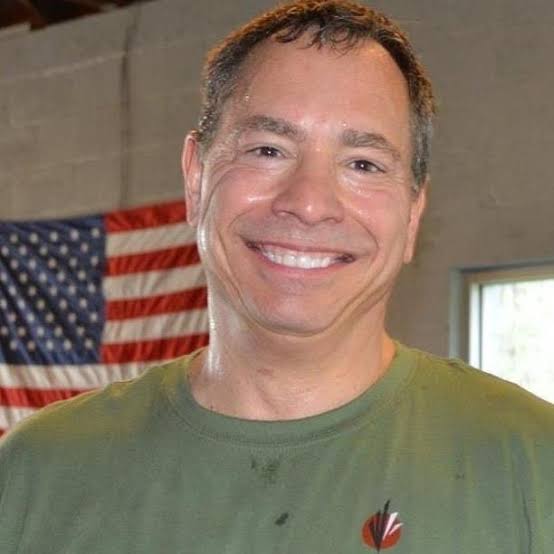
Jim Eglin
https://marylandsystema.comJim Eglin is the founder and chief instructor of Maryland Systema. He has trained in Systema, Krav Maga, judo, boxing, and jiu-jitsu, and received his full Systema instructor certification in 2019. Jim teaches practical self-defense with an emphasis on breathing, movement, balance, awareness, controlled contact, and responsible decision-making under pressure. He leads adult classes in Rockville and Takoma Park, Maryland.