7 Effective Ways to Improve Reaction Awareness Under Pressure
A problem rarely begins at a convenient distance. It may start with someone standing too close, a change in tone, an unexpected grab, a blocked path, or the sense that a situation is becoming less predictable. Learning how to improve reaction awareness is not about becoming suspicious of everyone around you. It is about noticing useful changes sooner so you have more time and more options to decide what to do next.
To improve reaction awareness, practice recognizing changes earlier, staying balanced, and choosing your next action. Speed alone does not tell you whether to step away, speak, or seek help. If you notice a developing problem soon enough, you may be able to change direction, create distance, set a clear boundary, leave, or ask for help before physical action becomes necessary.
Reaction awareness starts before contact. The earlier you recognize a change in distance, behavior, or position, the more choices you usually have.
1. Understand What Reaction Awareness Means
In this article, reaction awareness means noticing a change, recognizing your own response, and choosing what to do next. Learning how to improve reaction awareness starts with observation, body awareness, and decision-making.
Part of that awareness is external. You notice where people are standing, whether an exit is available, whether someone is closing distance, and whether a conversation is becoming more confrontational. The other part is internal. You notice changes in your breathing, unnecessary tension, loss of balance, narrowed attention, or the urge to act before you fully understand what is happening.
A fast response is not always a useful response. If you step backward without checking where you are going, you may trip, collide with someone, or move into a worse position. If you treat every awkward interaction as a threat, you can create conflict that did not need to happen.
Good reaction awareness gives you enough information to make a better choice. The goal is to notice concern early, stay mobile, maintain your balance, and respond in a way that fits what is actually happening.
2. Notice Your Own Reactions Under Pressure
Under pressure, your body often reacts before your thinking catches up. Your shoulders may tighten, your jaw may clench, your breathing may become shorter, and your attention may narrow. These reactions can happen quickly, often before you fully understand what has changed.
The problem is not that your body reacts. The problem begins when those reactions interfere with what you need to do next. Too much tension can make movement stiff, reduce your balance, and pull your attention toward one detail while you miss what is happening around you.
One way to improve reaction awareness is to notice these physical changes sooner. If you recognize that you are holding your breath, tightening unnecessarily, or becoming fixed on one person or one direction, you have a better chance of adjusting before those reactions limit your choices.
Use breathing to recover from surprise
A simple way to practice is to check your breathing several times during the day, especially when you feel rushed, frustrated, or under pressure. Keep breathing comfortably without forcing a deeper breath or holding it. Keep your shoulders, hands, and jaw as relaxed as the situation allows.
The purpose is not to ignore danger or make yourself passive. It is to keep unnecessary tension from taking over your movement. Steadier breathing can help you maintain awareness, move with less stiffness, and avoid the sudden reactions that make balance easier to lose.
You can practice this in ordinary situations while waiting for a train, walking through a parking lot, sitting at your desk, or standing in a crowded line. Repetition matters. Practice noticing a held breath while you continue looking around and moving.
Improve structure without becoming stiff
Awareness becomes harder when your structure puts you at a disadvantage. Looking down at a phone, locking your knees, leaning too far in one direction, or carrying unnecessary tension through your upper body can reduce peripheral vision and make movement slower or less stable.
Aim for a comfortable upright position with your head free to turn, your knees soft, and your weight distributed so you can step in any direction. This comfortable position helps you keep your movement available as you go through daily life.
Your structure will naturally change when you carry a bag, use a phone, hold groceries, or manage children. The goal is not to maintain a perfect position. It is to notice when your hands, attention, balance, or movement are limited and adjust before those limits become a problem.
3. Improve Reaction Awareness in Everyday Situations
Useful awareness should be specific enough to help you and calm enough to maintain. You do not need to study every room or watch everyone around you. Instead, build the habit of briefly checking your surroundings when the situation changes.
When you enter a store, restaurant, parking garage, elevator, or transit platform, notice the basic layout. Where are the exits? Where is there open space? Who is close enough to affect your movement? If something does not feel right, you do not need to wait for certainty before creating more distance, changing position, or choosing another route.
Focus on behavior rather than appearance. Someone can seem unusual, distracted, or upset without presenting a danger. More useful warning signs include repeated attempts to close distance, ignoring a clear boundary, blocking your movement, following after you change direction, escalating language, or continuing unwanted contact.
For larger gatherings, Ready PA’s event safety guidance recommends locating emergency exits in advance and paying attention to official updates. You can apply that preparation by noticing where to leave and where to find staff when you arrive.
The environment matters too. Wet pavement, uneven steps, narrow aisles, crowded doorways, parked cars, and poor lighting can all limit where you can move. In a difficult moment, your footing and surroundings can affect your options just as much as the person in front of you.
4. Create More Time With Distance and Position
Learning to improve reaction awareness also means understanding how distance affects the time available to respond. Even a small increase in space can make it easier to speak clearly, change position, leave, or get help. Extra space gives you more room to respond, though it does not guarantee safety.
If a conversation starts to feel uncomfortable, avoid standing directly in front of the other person with your feet fixed. Angle your body slightly so you can move more easily, maintain a reasonable gap, and avoid getting trapped between the person and a wall, vehicle, counter, doorway, or other obstacle.
You do not need to turn every tense interaction into a confrontation. Use a short, direct boundary: “Please give me some space.” “I need to leave now.” “Do not touch me.” Keep it brief, and watch whether the person respects your request. If they keep approaching, focus on leaving or getting help.
Your options depend on the setting. On a crowded train, you may not be able to create much distance right away. Focus on keeping your balance, protecting your ability to move, and looking for the first reasonable opening to change position or involve others. In a parking lot, hallway, or open sidewalk, changing direction early may give you more space before the situation develops further.
5. Train to Improve Reaction Awareness as Conditions Change
Many people think of self-defense as having a stored answer for a known problem. Real situations rarely stay that predictable. Distance changes. Your hands may be occupied. The ground may be uneven or slippery. You may be seated, tired, surprised, or dealing with more than one person.
To improve reaction awareness in training, work with changing conditions at a pace you can manage. That can include moving from different positions, maintaining balance while being redirected, responding to light contact, noticing openings, and recovering when your first response does not work. Pressure can increase gradually as your experience and comfort improve.
Fixed drills can help develop basic coordination, but they have limits. A response that works only when a partner stands still or behaves predictably may fall apart once timing, distance, or direction changes. Adaptable training teaches you to keep breathing, continue moving, and make decisions based on what is happening rather than what you expected to happen.
At Maryland Systema, students work with these variables in a controlled setting instead of memorizing one answer for every problem. Our beginner guide to Systema training explains how adults can get started. Tell the instructor about physical limitations so you can discuss suitable adjustments. The goal is not to prove toughness. It is to improve judgment, movement, and awareness as conditions change.
6. Practice Small Decisions Before Pressure Builds
Reaction awareness develops through ordinary choices. Put your phone away when crossing a street or walking through a parking area. Notice when headphones, fatigue, frustration, or another distraction has narrowed your attention. Give yourself an extra moment before responding to a raised voice, an unexpected bump in a crowd, or another situation that catches you off guard.
You can also practice simple movement at home. Step forward, backward, and to each side without crossing your feet or looking at the floor. Turn and move toward an imagined exit. Sit down and stand up while keeping your breathing steady and your balance under control. These exercises are simple, but they can show you when tension appears, where your movement becomes restricted, and when your attention drops.
If you train with a partner, keep the drill cooperative and controlled. Agree on the exercise and a stop signal before starting. One person can approach slowly from different directions while the other notices changes in distance, adjusts position, and uses a clear verbal boundary when appropriate. Vary the angle and timing without increasing speed or force unnecessarily.
Do not turn the drill into a contest. The useful question is not who won. Ask whether you noticed the change early, maintained your balance, kept moving when necessary, and found an option that improved your position or created a safer way out.
7. Use Awareness to Make Better Decisions
No amount of training removes uncertainty. You can still misread a situation, get startled, or find yourself with limited choices. The purpose of practice is not to respond perfectly. It is to improve your ability to recover, think clearly, and act responsibly when circumstances change.
A useful question is, “What gives me more time and more options right now?” The answer is often simple: breathe, move toward open space, create distance, speak clearly, leave, or get help. These choices may not look dramatic, but they can prevent a tense situation from becoming more difficult.
Build the habits that help you improve reaction awareness gradually. Each time you notice a change earlier, recover your balance, adjust your position, or choose controlled movement instead of rushing, you reinforce habits that support better judgment in daily life and under pressure.
At Maryland Systema, we give adults a controlled setting to practice noticing changes, managing distance, and making decisions. To improve reaction awareness through guided practice, try one free group class in Rockville or Takoma Park.
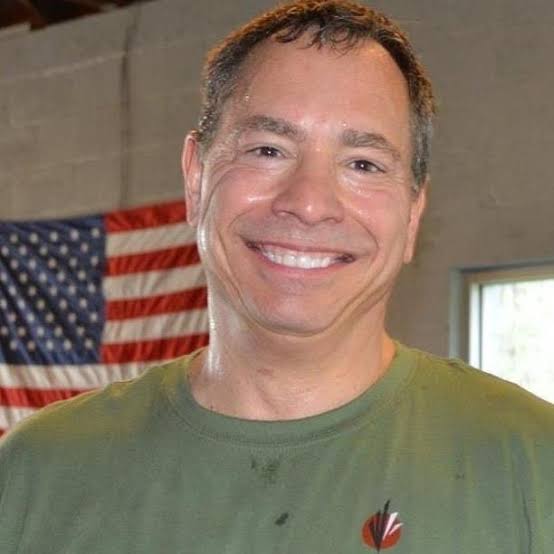
Jim Eglin
https://marylandsystema.comJim Eglin is the founder and chief instructor of Maryland Systema. He has trained in Systema, Krav Maga, judo, boxing, and jiu-jitsu, and received his full Systema instructor certification in 2019. Jim teaches practical self-defense with an emphasis on breathing, movement, balance, awareness, controlled contact, and responsible decision-making under pressure. He leads adult classes in Rockville and Takoma Park, Maryland.