Self-defense after injury requires you to work with your current physical abilities rather than ignore them.
A sore shoulder, healing knee, strained back, or recently sprained wrist can change how you move and how prepared you feel in everyday situations. A useful self defense after injury example does not depend on forcing an injured body to perform movements it cannot safely handle. Instead, you learn to recognize pressure earlier, manage distance, protect the injured area, and make sound decisions before physical contact becomes necessary.
That difference matters. Self-defense is not a test of toughness, and an injury does not mean you have to stop thinking about personal safety. An injury can temporarily reduce your speed, strength, range of motion, or ability to move comfortably. You can still use awareness, structure, positioning, voice, breathing, distance, and judgment to reduce risk and create better options.
Training after an injury should reflect what your body can safely do now, not what it could do before the injury. The goal is to work with your current abilities while developing practical ways to stay aware, remain mobile, and respond without placing unnecessary stress on the injured area.
A self-defense after injury example: responding to a grab near a parking area
Imagine you are leaving a store while recovering from a right shoulder injury. You are carrying a small bag in your left hand when someone you do not know steps close, partly blocks your path, and reaches toward your injured arm while demanding your attention.
A fixed response may tell you to grab, twist, strike, or force your way free. That can be a poor choice when your shoulder is vulnerable, the other person is larger, the pavement is uneven, or you have little room to move. This is why a useful self defense after injury example has to account for the condition of your body as well as the behavior of the other person.
The safer response begins before the grab. You notice the person closing distance and change your path when you have room. You keep your hands where they can protect you without becoming rigid and use a clear voice: “Stop. Stay back.” You move toward other people, better lighting, an open business, or another clear exit rather than allowing yourself to be crowded into a confined space.
If the person makes contact, your priority is not to overpower them. Avoid suddenly pulling against the injured shoulder. Keep breathing, move your feet, and turn your body so the shoulder does not absorb the full force of the pull. Your free arm, forearm, body position, movement, and voice can all help you create separation while you look for a way out.
When you have a safe opportunity to leave, take it. If the threat continues, respond only as much as reasonably necessary to protect yourself and reach safety.
The example is deliberately simple because real situations do not follow a script. The person may release you when you move or speak. Someone nearby may intervene. You may have plenty of room to leave, or very little. Useful training prepares you to recognize those differences and adjust your response without forgetting the injury you are still managing.
What changes when you are injured
An injury changes which options make the most sense. You may have less ability to catch yourself during a fall, turn your neck, run, keep someone at a distance, or get back to your feet. Pain can also narrow your attention. You may hold your breath, tense your body, or focus so much on protecting the injured area that you stop noticing what is happening around you.
Self-defense after injury does not mean you lose the ability to protect yourself. It means your priorities need to change. Keep more distance when possible. Avoid putting unnecessary load on the injured area. Maintain your balance instead of reaching or lunging. Use obstacles, exits, and nearby people to make close contact less likely. Ask for help early when the situation allows it.
Recovery also requires good judgment. If a medical professional has limited your activity, follow that guidance. Self-defense training does not replace medical care, rehabilitation, or legal advice. The purpose of training during or after an injury is to develop awareness, movement, and decision-making within safe limits, not to test an injured joint or push through pain.
Start with decisions before techniques
Many self-defense problems are easier to manage before physical contact begins. That becomes even more important when an injury has reduced your mobility, strength, or range of motion. Pay attention to who is nearby, where you can move, and whether someone is following, crowding, or trying to limit your path. Awareness does not mean treating everyone as a threat. It means noticing changes early enough to make better choices.
If someone is making you uncomfortable, create distance before the situation becomes harder to manage. Cross the street, return to a public place, move closer to other people, or ask an employee for help. Use a clear boundary when needed: “I can’t help you.” “Do not come closer.” “I said no.” You do not owe a stranger a long explanation when you are trying to leave.
If you cannot leave right away, improve your position. Avoid being backed against a wall, vehicle, elevator corner, or narrow dead end when you have another option. Keep enough room to step, turn, and see what is happening around you. When practical, place a cart, chair, table, doorway, or vehicle between yourself and the other person.
An obstacle does not guarantee safety, but it can slow someone down, increase distance, and give you more time to move or call for help. When you are injured, those extra seconds and extra steps can matter more than trying to rely on a physical response after contact has already started.
Breathing and balance become more important after injury
Injury often leads to guarded movement. Some of that is sensible, but too much tension can make you slower, less coordinated, and easier to disrupt. When your whole body stiffens, even a small pull or shove can affect your balance more than it otherwise would.
Breathing helps you stay responsive. That does not mean stopping to take a deliberate deep breath while someone is confronting you. It means avoiding unnecessary breath-holding, exhaling as you move, and keeping enough relaxation in your body to notice what is happening and adjust.
Balance matters for the same reason. Keep your feet under you and move them when pressure changes. Instead of trying to resist a pull through an injured arm, move your body and change your angle when that gives you a safer position. Instead of leaning away from someone who is getting too close, move your feet and create distance. These choices reduce the amount of force an injured joint has to absorb.
Your injury also changes which movements make sense. If you are recovering from a knee injury, sudden pivots or running may not be realistic. Maintaining a stable position, using a barrier, calling attention to the situation, and moving steadily toward an exit may give you better options. With a hand or wrist injury, relying on a strong grip may be unrealistic, so positioning, movement, and use of the uninjured parts of your body become more important.
There is no single adjustment that works for every injury. Your choices depend on what you can safely do, where you are, and how serious the threat has become. Good training helps you work within those limits rather than pretending they do not exist.
Train what you can safely use now
A well-structured class can adjust the training without removing its practical value. You can work on walking, turning, getting up carefully, managing distance, using your voice, and recognizing when an exercise needs to change. You can also learn to protect the injured area while keeping the rest of your body mobile and responsive.
At Maryland Systema, training is built around adaptable principles rather than requiring you to perform a fixed sequence. An instructor can scale contact, speed, range of motion, and resistance to match your current abilities. That gives an adult returning to activity room to learn without placing unnecessary strain on an injured area. As your recovery progresses, the training can progress with you.
The principles behind self-defense after injury remain useful even after the injury has healed. Your physical abilities and circumstances change from one day to another. Fatigue, age, clothing, footwear, carrying a bag, uneven ground, limited space, and stress can all affect how you move and which choices are practical.
Training that teaches you to recognize those changes and adjust accordingly prepares you for more realistic conditions than training that assumes your body, surroundings, and movement will always be ideal.
When physical action becomes necessary
There are situations where physical action may be necessary to stop immediate harm. If that happens, keep the objective limited: protect yourself, create space, and leave as soon as you have a safe opportunity. Do not stay to argue, punish the other person, recover property, or continue once you can get away.
Protect your head, maintain your balance, and keep moving toward safety. Use your voice when it can draw attention, bring help, or create another opportunity to leave. Avoid becoming so focused on the physical contact that you stop noticing exits, obstacles, other people, or changes in the situation.
If you fall, the injury you are already managing can make recovery more difficult. Controlled ground movement can help you learn how to protect vulnerable areas, move toward a safer position, and get back to your feet when possible. Staying on the ground with an aggressor is generally a situation to escape rather than one to accept.
Once you are safe, contact emergency services when appropriate and get medical attention for any new pain or worsening injury. Stress and adrenaline can make injuries less noticeable immediately after an incident. Write down what happened while the details are fresh and seek additional support when needed.
Self-defense after injury is not about trying to perform as though the injury does not exist. It is about understanding what your body can safely do now, improving those abilities as you recover, and making choices that give you the best chance to protect yourself and leave safely.
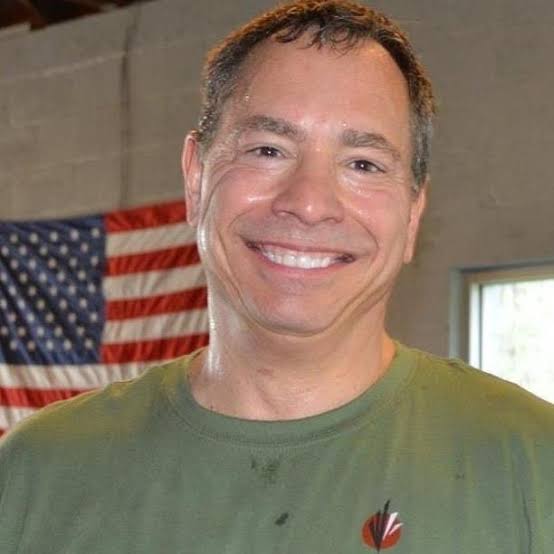
Jim Eglin
https://marylandsystema.comJim Eglin is the founder and chief instructor of Maryland Systema. He has trained in Systema, Krav Maga, judo, boxing, and jiu-jitsu, and received his full Systema instructor certification in 2019. Jim teaches practical self-defense with an emphasis on breathing, movement, balance, awareness, controlled contact, and responsible decision-making under pressure. He leads adult classes in Rockville and Takoma Park, Maryland.