Best Exercises for Safer Falls at Any Age: 7 Practical Moves
Best exercises for safer falls at any age begin with movements that match your current strength, balance, and mobility. A missed curb, loose rug, or unexpected change in direction can leave you struggling to stay upright. Training gives you opportunities to improve the abilities involved in stepping, lowering yourself, and recovering your position.
No exercise makes falling harmless. Preventing a fall, managing contact with the ground, and getting up afterward are related but different skills. Strength and balance exercises provide a foundation. Rolling, landing, and other impact practice require separate instruction suited to your health and ability.
At Maryland Systema, we connect breathing, balance, and movement with practical decisions. Fall-related training should begin with manageable exercises and progress according to what you can control.
Choosing the Best Exercises for Safer Falls at Any Age
Your starting point depends on your balance, mobility, strength, and health. Age alone does not tell you which exercise is appropriate. One adult needs support when standing from a chair, while another moves comfortably between standing and the floor.
The National Institute on Aging’s exercise guidance identifies strength and balance training as useful for preventing falls and fall-related injuries. Everyday movements give you a practical place to begin.
Use a clear area, secure footing, and a fixed countertop or other support that will not move. Avoid rolling chairs and furniture that tips or slides. Start with a few comfortable repetitions and rest before fatigue affects your control.
If you have repeated falls, dizziness, osteoporosis, a recent injury, a joint replacement, or difficulty getting up, ask a health professional which activities suit you. Stop if you develop pain, dizziness, numbness, or feel unable to remain steady.
1. Controlled Sit-Downs and Stand-Ups
Use a firm chair positioned against a wall. Sit with your feet flat on the floor and placed comfortably beneath you. Lean forward slightly, press through your feet, and rise at a controlled pace. Pause before slowly sitting down again.
Use the chair’s armrests if you need assistance. Choose a seat height that lets you move without dropping into the chair or straining to stand. Keep using hand support until you can comfortably manage with less assistance.
This exercise develops leg strength and control during an everyday change in level. Notice whether you shift heavily to one side or lose control during the final part of sitting. Adjust the movement instead of forcing another repetition.
When selecting the best exercises for safer falls at any age, chair practice provides a useful starting point. You can adjust the seat height, support, and number of repetitions to your ability.
2. Supported Mini-Squats With Steady Breathing
Stand facing a fixed countertop with your hands resting on it. Place your feet about hip-width apart. Bend your knees and hips slightly, keeping the movement within a comfortable range, then return to standing.
A shallow bend is enough to begin. Keep your feet planted and avoid forcing depth through your knees, hips, or ankles. Hold the support throughout if you need it.
Keep breathing as you move. Exhale during the effort of rising instead of holding your breath. Our article on breathing exercises to stay calm explores how noticing your breathing fits into training under pressure.
Mini-squats develop leg strength and controlled lowering. They do not establish a single response to every stumble. An actual loss of balance requires a response to the footing, space, and support available at that moment.
3. Gentle Side-to-Side Weight Shifts
Stand facing a countertop, with your hands available for support and your feet comfortably apart. Slowly move a little more weight onto one leg, then return to the middle. Repeat on the other side.
Keep both feet on the floor. Use a small movement and avoid leaning so far that you need to catch yourself. Notice how pressure changes beneath your feet while you remain steady.
This connects with the relationship between balance and strength in self-defense. Strength helps you support your body, while balance practice develops your ability to manage where your weight goes.
The best exercises for safer falls at any age should remain manageable enough to repeat with control. A small supported shift gives you room to notice and adjust your movement before you become unsteady.
4. Supported Heel Raises
Stand facing a fixed countertop and hold it for support. Slowly raise your heels so your weight moves onto the balls of your feet. Lower your heels with control.
Keep the movement small at first. Avoid rocking forward, pulling yourself upward with your arms, or rushing through the lowering phase. Continue using both hands if that helps you remain steady.
Heel raises strengthen the lower legs, which contribute to standing and walking. They provide a different strength challenge from chair stands and mini-squats.
Perform only as many repetitions as you can manage comfortably. Stop before your movement becomes uneven or your balance deteriorates. Ask a physical therapist about an appropriate alternative if the standing version is unsuitable.
5. Slow Side Steps Beside a Countertop
Stand beside a clear length of fixed countertop, keeping support within easy reach. Take a small step sideways, then bring your other foot toward it. Pause and establish your balance before stepping again.
Keep your feet from crossing. Leave enough space between them to remain comfortable and steady. Practice in both directions without rushing or taking steps beyond your comfortable range.
Side steps give you practice moving your feet to support a change in position. This is relevant to everyday tasks such as moving along a kitchen counter or stepping around furniture.
When practicing the best exercises for safer falls at any age, increase difficulty gradually. Keep your eyes open and your footing secure. Surprise pushes and unstable surfaces add challenges that require separate assessment and supervision.
6. Guided Floor Transitions
Moving between sitting, kneeling, and other low positions requires more mobility than standing exercises. Begin this work with a qualified instructor or physical therapist who can assess whether it suits your knees, hips, wrists, and back.
Use a padded, uncluttered surface. Your instructor can help you choose a supported transition and break it into manageable stages. You should be able to pause without being pulled or rushed through the movement.
For some adults, the appropriate starting point remains chair-based exercise. Others can practice a small change of position close to the floor. There is no need to copy another person’s range of movement.
This is where the best exercises for safer falls at any age become especially individual. Floor practice should fit your body. Backward drops, shoulder rolls, and deliberate impact require appropriate instruction and assessment before you attempt them.
7. Supported Floor-to-Standing Practice
Getting up from the floor is a separate skill worth assessing. Practice when you are uninjured and have suitable guidance, stable support, and someone available to assist.
A physical therapist or qualified instructor can help you find a route that works for you. Depending on your mobility, that can involve moving through side-lying, kneeling, and a supported half-kneeling position before reaching a chair. Some people need another method or additional assistance.
Break the movement into stages. Pause to check your balance and surroundings. Our discussion of distance and surroundings in self-defense explains why your next movement should account for what is around you.
Practice is different from responding to an actual fall. After a fall, take time to assess how you feel. If you suspect an injury or cannot get up safely, call for help instead of forcing yourself through a practiced sequence.
Build Control Before Increasing Difficulty
Progress can mean completing a movement more smoothly, needing less assistance, or recognizing when you need to pause. It does not have to mean a deeper squat or a harder exercise.
Choose a manageable amount of practice and pay attention to how you move. If fatigue changes your footing or makes you drop into a chair, finish and rest. Repeating a movement with control is more useful than completing a target number while struggling.
The best exercises for safer falls at any age belong within a broader approach to fall prevention. Clear walking paths, appropriate footwear, adequate lighting, and attention to recurring dizziness also deserve consideration. Exercise addresses part of the problem, not every possible cause of a fall.
How Maryland Systema Approaches Movement and Recovery
At Maryland Systema, balance, breathing, and ground movement form part of broader self-defense practice. We connect movement with awareness of your surroundings and decisions about what to do next.
Instruction should account for the person doing the exercise, with clear limits on contact and room to slow down or stop. Ground movement starts with what you can manage, and changes in pressure should have a clear learning purpose.
These exercises develop abilities used in standing, stepping, lowering, and recovering position. They do not establish that you can safely absorb an unexpected impact. Learning how to meet the ground requires individual instruction beyond a written exercise guide.
Choose the best exercises for safer falls at any age according to your current ability and build from there. Start with supported strength and balance work, seek guidance for floor practice, and give yourself time to develop each skill.
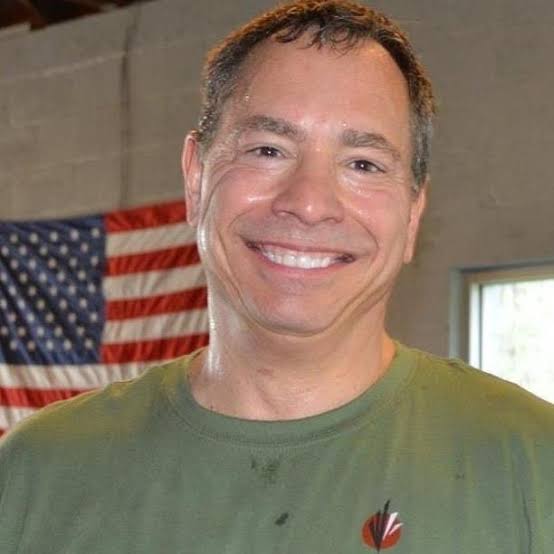
Jim Eglin
https://marylandsystema.comJim Eglin is the founder and chief instructor of Maryland Systema. He has trained in Systema, Krav Maga, judo, boxing, and jiu-jitsu, and received his full Systema instructor certification in 2019. Jim teaches practical self-defense with an emphasis on breathing, movement, balance, awareness, controlled contact, and responsible decision-making under pressure. He leads adult classes in Rockville and Takoma Park, Maryland.