Manage Close Contact Safely: 7 Essential Skills
When someone crowds you, grabs your arm, or blocks your path, your priority is reaching safety. To manage close contact safely, you need to notice what is happening, protect your balance, use the space available, and recognize an opportunity to leave. Strength and physical skills matter, but so do the decisions you make before a struggle develops.
Close contact does not always begin with obvious aggression. Someone stands too near during an argument, follows as you step away, or keeps touching you after you ask them to stop. In other situations, proximity is ordinary and unavoidable, such as a crowded train or a busy doorway. Pay attention to behavior and circumstances rather than treating everyone nearby as a threat.
At Maryland Systema, our instructors approach close contact through breathing, balance, movement, awareness, and responsible decisions. The purpose is to help adults practice responding when distance, pressure, and available space change.
1. Manage Close Contact Safely by Recognizing Changes Early
Your options often begin changing before anyone touches you. A person moves between you and an exit, ignores your request for space, or continues approaching while you move away. Recognizing those changes gives you information you can act on.
Notice where you can move without stepping into another hazard. A doorway provides an exit only while you can reach it. A parked car, table, or crowd changes the route available.
You do not need to determine someone’s intentions before making a reasonable adjustment. You can end a conversation, move toward staff, or leave an uncomfortable interaction without staying to argue about your decision.
Awareness also includes recognizing your own position. If you are looking down at your phone, carrying several bags, or standing against a wall, you have different movement options than someone in an open area.
To manage close contact safely, keep reassessing. A route that was open a moment ago can become blocked. Another person can enter the situation. Your response needs to account for what is happening now.
2. Protect Your Balance While Keeping Movement Available
Balance becomes harder to manage when someone pushes, pulls, or restricts your movement. Your starting position also matters. You cannot count on having both hands free, even footing, or enough room to take a large step.
Aim for a position that lets you adjust. Avoid leaning so far away from contact that your feet cannot support you. Notice when you reach beyond your base or plant your feet so firmly that turning becomes difficult.
Strength remains useful. You need physical effort to support your weight, resist unwanted movement, and protect yourself. The question is whether that effort helps you act or leaves you struggling in one direction.
Our article on balance versus strength in self-defense explains how these abilities work together.
During supervised practice, an instructor can help you notice how foot placement, body position, and the direction of contact affect your balance. A small adjustment sometimes improves your position. Strong resistance, a size difference, or an awkward starting point can still limit what you can do.
Learning to manage close contact safely includes recognizing those limits. No stance or movement guarantees that you will remain upright or escape a determined attacker.
3. Keep Breathing Without Delaying Action
Under pressure, notice whether you hold your breath, clench your jaw, or tighten your shoulders. These habits give you something specific to address during training.
Let your breathing continue as you move and speak. Avoid forcing a large breath or becoming absorbed in a counting pattern when your attention belongs on the situation.
You do not need to feel calm before leaving, asking for help, or protecting yourself. Waiting for complete composure adds another demand at a moment when you already need to act.
Our guide to breathing exercises to stay calm offers ways to practice comfortable breathing before adding the demands of partner work.
In class, breathing becomes one part of a larger task. Can you continue breathing while your partner changes direction? Can you notice your surroundings while recovering your footing? Can you speak clearly enough to ask your partner to stop?
These questions keep breathing connected to useful behavior. It supports your practice alongside balance, awareness, movement, and judgment.
4. State Boundaries Before Contact Escalates
A clear boundary tells the other person what you want and helps people nearby understand what is happening.
Keep your words brief:
- “Please step back.”
- “Do not touch me.”
- “I am leaving.”
- “I need help.”
Choose words and volume that fit the circumstances. A firm statement in a public place draws attention. In another situation, a quieter response while moving toward assistance is more appropriate.
No phrase guarantees cooperation. Watch what the person does after you speak. Do they give you room, continue approaching, or move to block your path?
You can manage close contact safely more effectively when you connect your words with decisions about position and escape. Repeating a boundary while remaining trapped in the same place does not necessarily improve your options.
Avoid turning the exchange into an argument about respect, intentions, or who started it. Your immediate task is to protect yourself and reach safety.
If someone ignores your boundary, reassess your route, nearby help, and the need for immediate action. You are allowed to end an interaction without getting agreement from the other person.
The Cybersecurity and Infrastructure Security Agency’s De-escalation Action Guide emphasizes respecting personal space, communicating carefully, recognizing your limits, and seeking assistance when needed. These priorities support the goal of reaching safety when an interaction becomes threatening.
5. Use Available Space With a Clear Purpose
Movement should help you reach a better position. Before stepping, notice what lies in that direction.
Moving straight backward sometimes creates distance. It also brings risks when a curb, chair, wall, or another person is behind you. Turning or moving sideways changes your position, but those directions need checking too.
An opening is useful only if it leads somewhere you can go. Squeezing into a narrow gap can leave you with fewer choices. Moving around furniture helps only when it supports your route away.
Our article on self-defense in confined spaces examines how walls, doorways, seating, and crowds affect movement.
Close contact also creates a temptation to focus entirely on one hand or grip. That point of contact matters, but so does everything around it. Keep noticing obstacles, nearby people, and changes in the route you need.
A useful question is: “Does this action improve my ability to leave?” That question helps you manage close contact safely without becoming absorbed in winning a pushing or pulling contest.
Sometimes you cannot leave immediately. Protect yourself from immediate harm, call for help when possible, and keep reassessing as the situation changes.
6. Practice With Clear Limits and Gradual Pressure
Learning requires enough challenge to reveal problems and enough control to examine them.
Before partner contact begins, both people should understand the task, the permitted contact, and how to stop. Tell your instructor about relevant limitations so you can discuss suitable adjustments.
Begin at a pace where you can notice what you are doing. If you lose your balance immediately, stop breathing, or cannot follow the task, reduce the demand and work out what changed.
Increase difficulty with a clear purpose. Changing direction, starting from a seated position, or adding measured resistance each introduces a different problem. Adding everything at once makes useful feedback harder to identify.
Our instructors help adults manage close contact safely by connecting physical practice with observation and communication. Students should remain able to ask questions, report discomfort, and stop when needed.
Respect for a partner’s limits is part of the skill. Stop immediately when asked. Avoid surprise increases in force, and do not treat another person’s discomfort as proof that an exercise is effective.
Controlled success also needs honest interpretation. Moving away from a cooperative partner does not prove that the same response will work during an assault. Training should help you understand both your progress and its limits.
7. Recognize When Contact Should End
An opportunity to disengage changes the task. Once you can leave safely, continuing the confrontation exposes you to further harm.
You do not need to make the other person admit fault or demonstrate that your response worked. Move toward safety and seek help as the circumstances require.
Demands for property and threats involving weapons create additional uncertainty. Avoid treating a physical response as the default. There is no dependable, risk-free answer to a weapon threat, and classroom practice cannot remove that danger.
After an incident, get appropriate help. Contact emergency services when there is immediate danger or a serious injury. Once you are somewhere safe, consider what support you need rather than rushing back into the encounter.
The ability to manage close contact safely includes knowing when to stop physical engagement. Your objective remains protecting yourself and reaching safety.
Practice Close Contact Skills at Maryland Systema
Adults bring different abilities, concerns, and physical histories to self-defense classes. Useful instruction gives you room to learn while gradually introducing changing demands.
At Maryland Systema, our instructors connect breathing, balance, awareness, and natural movement with practical decisions about contact and escape. You practice noticing when your movement becomes restricted, when unnecessary effort takes over, and when a route becomes available.
Progress shows up in specific ways. You recognize a blocked path sooner. You recover your footing without rushing. You communicate clearly with your partner and stop when asked. You notice an opening instead of continuing to struggle over the same point of contact.
Bring that same attention to ordinary routines. Notice exits, keep your route clear, and look up from distractions when moving through shared spaces. You do not need to remain on alert every moment to pay useful attention to your surroundings.
If you want to manage close contact safely, begin with guided practice that keeps movement, judgment, and respect for others connected. Join Maryland Systema for adult self-defense training and learn how these skills work together under gradually changing pressure.
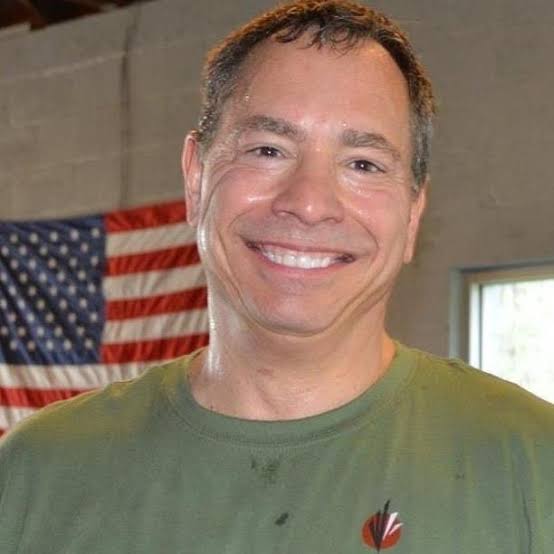
Jim Eglin
https://marylandsystema.comJim Eglin is the founder and chief instructor of Maryland Systema. He has trained in Systema, Krav Maga, judo, boxing, and jiu-jitsu, and received his full Systema instructor certification in 2019. Jim teaches practical self-defense with an emphasis on breathing, movement, balance, awareness, controlled contact, and responsible decision-making under pressure. He leads adult classes in Rockville and Takoma Park, Maryland.