Systema Classes in Takoma Park: 7 Powerful Benefits
Systema classes in Takoma Park give adults a place to practice self-defense, improve movement, and work on making decisions under pressure. At Maryland Systema, we connect awareness, breathing, balance, and controlled partner contact with a practical goal: protecting yourself and finding an opportunity to leave a dangerous situation.
You do not need previous martial arts experience, a required uniform, or a competitive background to begin. You need a willingness to learn, communicate with your partners, and work at a pace that fits your current ability.
Our Takoma Park classes meet at Dance Exchange, 7117 Maple Avenue, Studio 3. Your first group class is free. These seven benefits explain what the training offers and what to consider before you attend.
1. Local Systema Classes in Takoma Park Make Regular Practice More Accessible
A useful training program needs to fit your life. The location, schedule, and expectations all matter when you are balancing work, family, and other responsibilities.
Maryland Systema offers adult training at Dance Exchange in Takoma Park, giving you a local option for learning practical self-defense. You can visit the Dance Exchange contact and location page to confirm the venue’s street address. Arrange your Systema lesson directly with Maryland Systema.
Our training location is:
Dance Exchange, Studio 3
7117 Maple Avenue
Takoma Park, Maryland 20912
Before attending, check our current class schedule and contact us to arrange your first visit. Confirming the session helps you arrive at the right place and gives you an opportunity to ask questions about participation.
Choosing Systema classes in Takoma Park also gives you a chance to build a repeatable routine. One visit introduces the environment. Regular practice gives you time to revisit difficult tasks, work with different partners, and recognize changes in how you respond.
2. Beginners Can Start at a Manageable Pace
Starting something unfamiliar often brings ordinary concerns. Will everyone else know what to do? Will you slow the group down? Will you be expected to handle more contact than you are ready for?
Our Systema classes in Takoma Park welcome adults with no previous martial arts experience. You begin with your current movement, fitness, and understanding. You are not expected to arrive already prepared for the work you came to learn.
Training develops progressively. An instructor explains the task, partners work within agreed limits, and the pace allows you to notice what is happening. As your understanding improves, exercises can introduce additional movement, resistance, or changes in position.
Communicating about limitations is part of responsible participation. Tell the instructor about an injury, restricted movement, or concern before the relevant activity begins. Discuss adjustments rather than trying to match someone else’s range or speed.
A manageable pace still requires attention. You are learning to recognize pressure, maintain balance, and make choices while another person moves. Starting slowly gives you room to understand those demands before they become more challenging.
3. Breathing and Movement Become Part of the Same Practice
When a task becomes uncomfortable, you can become so focused on completing it that you stop noticing how you move. Your shoulders tighten, your steps shorten, or you hold your breath while trying harder.
In our Systema classes in Takoma Park, breathing is part of movement practice. You learn to notice unnecessary tension while changing direction, maintaining posture, or responding to controlled contact.
The goal is comfortable breathing that adjusts to your effort. You do not need to force large breaths or expect yourself to feel perfectly calm. Physical effort and uncertainty can remain uncomfortable while you continue paying attention.
Our article on breathing and self-defense explains how this awareness fits into training. Breathing does not remove danger or replace judgment. It gives you another part of your own response to observe.
Balance and mobility receive the same practical attention. Can you change direction without stumbling? Can you stop without leaning heavily into another person? Can you recover your position after pressure changes?
Ground movement requires its own progression. Our discussion of movement skills for safer falls distinguishes balance practice, floor transitions, and impact training. No exercise makes an unexpected fall harmless.
4. Partner Practice Develops Adaptation
A real encounter does not follow a script. A person changes direction, tightens a hold, moves closer, or blocks the route you intended to use. Your response needs to account for the conditions in front of you.
Systema classes in Takoma Park introduce changing conditions through controlled partner work. Depending on the lesson and your readiness, training can address grabs, pushes, close contact, restricted movement, or recovering your position.
Partners add pressure gradually. An exercise should have a clear purpose, understandable limits, and a way to stop. Increasing speed without preserving those conditions does not automatically create better practice.
You learn to notice what changes when a partner moves. Pulling harder against a hold can disturb your own balance. Concentrating entirely on one point of contact can leave you unaware of an available route.
Progress often appears in small adjustments. You regain your footing sooner, recognize that your first approach is not working, or stop using effort that does not help.
Some lessons address confined spaces, multiple-person pressure, ground positions, or weapon-related threats. These subjects require careful limits. No physical response guarantees safety against a weapon, and classroom practice does not reproduce every condition of an actual assault. Recognizing danger, leaving when possible, and seeking help remain central priorities.
5. Awareness and Boundaries Receive Attention Before Physical Contact
Self-defense starts before a grab or strike. Someone repeatedly closes the gap after you move away. A conversation becomes more aggressive. Your position leaves you with fewer ways to leave.
In Systema classes in Takoma Park, we connect physical practice with awareness, positioning, and responsible decisions. The aim is to recognize when your options are narrowing and act while useful choices remain.
Our article on distance management for self-defense examines how space and surroundings work together. More distance is useful only when your next position still gives you somewhere to go.
A clear boundary can be brief: “Please step back,” or “I’m leaving.” What happens next matters. If the person ignores your request, continuing the same conversation does not necessarily improve your position.
Leaving, approaching staff, or moving toward help can be appropriate responses. You do not need to remain in an uncomfortable interaction to demonstrate confidence.
Awareness cannot prevent every incident. Sometimes physical contact occurs before you have a clear opportunity to leave. Training acknowledges that reality while keeping the purpose of self-defense in view: protecting yourself, preserving options, and disengaging when an opening appears.
6. You Can Train Without Competition or Long-Term Contracts
Adults choose martial arts for different reasons. Some enjoy competition and a formal ranking system. Others want practical instruction without tournaments, belt tests, or a required uniform.
Our Systema classes in Takoma Park focus on learning through practice. There is no belt ranking or competition requirement. Ordinary workout clothing is enough to begin, and you do not need expensive specialized equipment for your first group class.
Maryland Systema also has no contracts or long-term membership requirements. You can assess whether the instruction, environment, and schedule fit your needs.
Without a ranking system, it helps to pay attention to specific signs of progress. Are you communicating more clearly with partners? Can you maintain balance through an exercise that previously unsettled you? Do you recognize when to pause or ask for an adjustment?
These observations give your practice direction. Progress does not have to mean collecting techniques or handling more force every week.
Training partners also share responsibility for the quality of the class. Respecting limits, giving useful feedback, and adjusting pressure help both people learn. Experience should improve a partner’s ability to support that process.
Common Questions About Systema Classes in Takoma Park
Do I need to get fit before attending?
You do not need to reach a particular fitness level before trying Systema classes in Takoma Park. Start by discussing your current abilities and any limitations with the instructor. The first step is finding a manageable level of participation, then building from there through regular practice.
Will I have to keep up with experienced students?
You are not expected to match another student’s speed, strength, or experience. Partner practice should give both people a useful task within clear limits. Ask questions, communicate when the pressure becomes too much, and take time to understand the movement before increasing difficulty.
What should I tell the instructor before class?
Mention injuries, restricted movement, concerns about contact, or difficulty moving to and from the floor. You do not need to share personal experiences with the whole group. A conversation before class helps the instructor discuss suitable adjustments and explain what participation involves.
How do I know whether the training suits me?
Use your first visit to assess the instruction and environment. Notice whether explanations are clear, partners respect limits, and you feel comfortable asking for help. Systema classes in Takoma Park should give you room to learn while helping you identify specific skills to develop.
7. A Free First Class Lets You Assess the Training Yourself
Reading about Systema gives you a starting point. Attending a class lets you see how the instructor explains tasks, how partners manage contact, and whether you feel comfortable asking questions.
Your first group lesson at Maryland Systema is free. You can try Systema classes in Takoma Park before deciding whether to continue.
Before your visit, use our contact form to request your free group lesson. Mention that you want to attend in Takoma Park and ask any questions about clothing, arrival, or participation.
During class, pay attention to how the learning process works. You should understand what an exercise is meant to develop, what its limits are, and how to pause. Ask for clarification when instructions are unclear.
You do not need to judge your potential from one unfamiliar movement. A first visit is an opportunity to assess the environment and begin learning how your body responds to new demands.
If you want practical adult self-defense training built around awareness, breathing, balance, and movement, join our Systema classes in Takoma Park. Start with a free group lesson at Dance Exchange and see how the practice fits your goals.
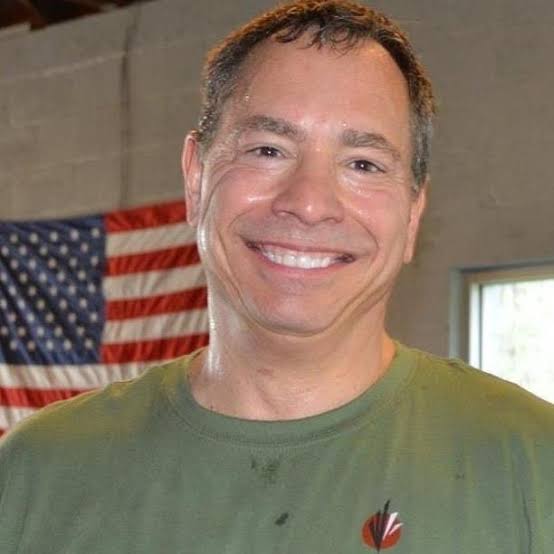
Jim Eglin
https://marylandsystema.comJim Eglin is the founder and chief instructor of Maryland Systema. He has trained in Systema, Krav Maga, judo, boxing, and jiu-jitsu, and received his full Systema instructor certification in 2019. Jim teaches practical self-defense with an emphasis on breathing, movement, balance, awareness, controlled contact, and responsible decision-making under pressure. He leads adult classes in Rockville and Takoma Park, Maryland.