A useful self-defense class should help you make clearer decisions when a situation becomes uncomfortable or unpredictable, not just teach you a sequence of moves. Many adults consider martial arts classes because they want to improve personal safety, movement, awareness, and their ability to stay composed under pressure. The important question is whether the training prepares you for the kinds of situations you may actually face.
You may need to create space during an uncomfortable interaction in a parking garage, move safely when someone blocks your path in a crowded public place, or get away from unwanted contact in a confined area. Situations like these rarely give you ideal footing, plenty of room, or time to remember a practiced response. Useful training should teach you how to notice what is changing, protect your balance, adjust your position, and keep making decisions as the situation develops.
What to Look for in Martial Arts Classes for Better Everyday Control
The right class depends on what you want from your training. Some adults enjoy competition, a demanding physical challenge, or a traditional martial art with a structured curriculum. Those are valid reasons to train. If your main goal is practical self-defense, however, you should look for classes that develop awareness, movement, composure, and sound judgment when a situation does not go as expected.
Pay attention to what the training teaches before physical contact begins. Useful martial arts classes should help you recognize changes in behavior, manage distance, set clear boundaries, notice available exits, and decide when leaving is the better choice. Physical skills have an important place, but self-defense should not begin with the assumption that every problem needs a physical response. The goal is to reduce risk, protect yourself, and get to safety whenever possible.
The way a class is taught matters just as much as what it covers. Beginners should have room to learn without being expected to prove themselves or match the pace of more experienced students. Training can still be demanding, but pressure should increase gradually as your skills improve. This gives you time to learn how to breathe, move, protect your balance, and make useful decisions before greater speed or resistance is added.
Training for real conditions, not perfect scenarios
Many martial arts systems teach responses from a specific starting position. Learning clear body mechanics has value, but real situations rarely stay fixed. A grab changes when someone pulls, pushes, shifts their weight, or drives you toward a wall or other obstacle. A strike can come from an unexpected direction. Losing your footing can change the problem immediately.
Training should help you recognize those changes and keep working when your first response no longer fits. That means practicing at different distances, maintaining balance during contact, recovering when your posture is disrupted, and continuing to move when space becomes limited. It also means learning to work under pressure without tightening your body so much that movement and judgment suffer.
At Maryland Systema, this approach is based on adaptable principles rather than memorized responses. Students work with breathing, posture, balance, awareness, and natural movement while dealing with strikes, grabs, restraint, close contact, ground movement, and other changing conditions. The goal is not to memorize more responses. It is to become better at recognizing what is happening, adjusting as conditions change, and choosing an appropriate way to protect yourself and move toward safety.
Why Breathing and Balance Matter in Self-Defense Training
Breathing can seem unrelated to self-defense until you experience real physical pressure. When people feel surprised, crowded, or overwhelmed, they often stop breathing naturally and tighten their jaw, hands, neck, and upper body. That tension can limit movement, narrow attention, and make it harder to respond clearly.
Practicing steady breathing during controlled drills gives you a way to manage that reaction. It does not remove fear or make pressure disappear. It helps you stay engaged with what is happening so you can notice space, maintain your footing, and make a useful decision instead of reacting only from tension.
Balance is just as important. It involves more than staying upright. You need to recognize where your weight is, recover after being pushed or pulled, move across uneven ground, and avoid leaning so heavily into resistance that you lose your ability to change direction. When you preserve your balance, you have more options to move, create distance, protect yourself, or leave.
These abilities also carry into everyday life. Adults who sit for long periods, commute regularly, or return to exercise after time away often benefit from focused movement practice that develops coordination and body awareness. Those benefits matter, but they are not guarantees of safety. No martial arts class can control every factor in a violent encounter. Useful training gives you better tools, more awareness, and more options when circumstances become difficult.
What You Can Expect in a Practical Class
A practical class can address serious situations without turning every drill into a high-intensity confrontation. Students may work with strikes, grabs, pushes, restraint, and close-range pressure in a controlled setting. Training may also include moving around obstacles, getting up from the ground, working in restricted spaces, and understanding the added risks that come with weapon-related threats.
What matters most is how these subjects are taught. Good instruction should make a clear distinction between learning to recognize a weapon threat and assuming that a particular disarm will always succeed. Students should learn to consider distance, positioning, available exits, and the consequences of staying engaged. If you have a safe opportunity to leave, getting away is often the best result.
Partner work should also adjust to the people involved. Someone with an old knee injury, limited shoulder movement, or little recent exercise should be able to participate without ignoring physical limits. As coordination, awareness, and comfort improve, the level of pressure can increase gradually. Serious training does not require students to accept unnecessary pain, exhaustion, or intimidation as evidence that they are learning.
How the School Environment Shapes Your Training
Before committing to a school, it is worth watching a class or taking an introductory lesson. Pay attention to how the instructor explains each exercise, how corrections are given, and whether safety remains part of the instruction. Notice how experienced students work with beginners. The atmosphere of a class affects whether you feel comfortable asking questions, making mistakes, and continuing long enough to develop useful skills.
Different schools organize training in different ways. Some adults prefer ranks, uniforms, competition, and a formal path of progression. Others prefer a less structured environment without belts, tournaments, or performance requirements. Neither approach is automatically better. What matters is whether the class structure supports what you want to learn.
If practical self-defense is your main goal, look for training that develops judgment as well as physical ability. Students should have opportunities to manage distance before contact, practice clear verbal boundaries, and work through situations that allow more than one reasonable response. The instructor should also explain why one choice may work better than another.
Moving closer can solve one problem while creating another. Holding your position may make sense in one setting, while moving away is safer in another. Your surroundings, available exits, level of force, and the presence of other people all affect what makes sense. Practical training should help you recognize those differences rather than expect one answer to fit every situation.
Starting Martial Arts Classes Without a Long-Term Commitment
Many adults put off training because they assume they need to get in shape first, purchase special equipment, or commit to a long contract. A beginner-friendly program should make it easier to start. In most cases, comfortable workout clothing, a willingness to learn, and an honest understanding of your current abilities are enough for a first class.
Your first few classes are also a chance to decide whether the training fits what you want. You do not need to judge an entire martial art after one visit. Instead, pay attention to whether the instruction helps you understand how you breathe, move, manage tension, and respond when a drill becomes more difficult. You should leave with practical ideas you can continue working on, not simply claims about what the training is supposed to accomplish.
For adults in Rockville, Takoma Park, and the surrounding Washington area, trying a class is a simple way to experience this type of training firsthand. Maryland Systema offers a first group class free, with no required uniform, specialized equipment, or long-term contract. This gives you time to see how the class is taught and whether the approach matches what you want from martial arts training.
Progress in self-defense training often shows up in small changes. You may notice that you recover your balance more easily, recognize changes in distance sooner, or return to steady breathing faster when a drill becomes uncomfortable. Over time, you may also become less likely to freeze when something unexpected happens.
These changes may not look dramatic, but they matter. They give you more control over how you move, respond, and make decisions under pressure. Start at a pace you can sustain and give consistent practice time to build skills that carry beyond the class and into everyday situations.
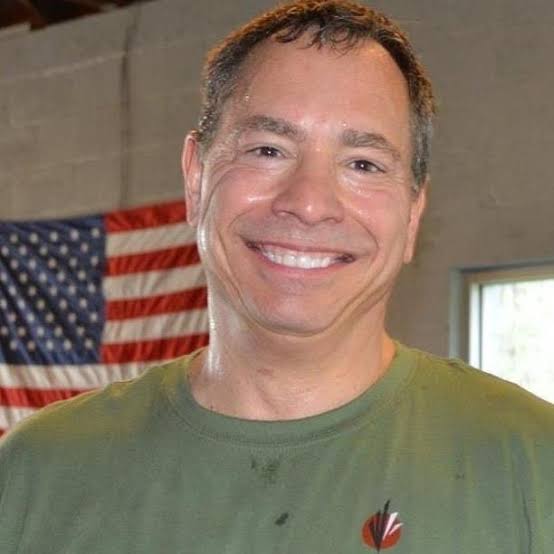
Jim Eglin
https://marylandsystema.comJim Eglin is the founder and chief instructor of Maryland Systema. He has trained in Systema, Krav Maga, judo, boxing, and jiu-jitsu, and received his full Systema instructor certification in 2019. Jim teaches practical self-defense with an emphasis on breathing, movement, balance, awareness, controlled contact, and responsible decision-making under pressure. He leads adult classes in Rockville and Takoma Park, Maryland.