Montgomery County Self-Defense Workshops: 6 Powerful Benefits
Montgomery County self-defense workshops should help you recognize problems earlier, move with better balance, manage distance, and make clearer decisions under pressure. You should leave with useful skills to practice and a better understanding of your options when someone’s behavior becomes unpredictable.
For a commuter walking to a garage, a parent handling a tense public interaction, or an employee dealing with an angry visitor, personal safety involves more than physical responses. Noticing a change in someone’s behavior, setting a boundary, and finding a way to leave all deserve attention in training.
At Maryland Systema, we approach workshops with those everyday concerns in mind. We work on awareness, breathing, movement, and decisions through controlled practice. These six benefits give you a practical way to evaluate what a workshop offers.
1. Montgomery County Self-Defense Workshops Build Everyday Awareness
Useful safety training starts before physical contact. Someone ignores your request for space, follows when you move away, or positions themselves across your path. A workshop should help you notice these behaviors and consider your options without encouraging you to treat everyone as a threat.
Awareness means paying enough attention to make informed choices. Where is the exit? Is there room to move? Are you becoming distracted by an argument while someone else approaches?
These questions give awareness a practical purpose. You are looking for information that helps you decide whether to stay, create distance, seek help, or leave. A change in tone alone does not tell you someone’s intentions. Their behavior, the surroundings, and your available options all matter.
When comparing Montgomery County self-defense workshops, ask whether participants practice noticing their surroundings while doing something else. Identifying an exit while standing still is straightforward. Keeping track of it while speaking, moving, or managing contact takes practice.
For additional everyday guidance, review the Montgomery County Police Department’s personal-safety tips, which include limiting phone distractions and choosing well-lit parking areas.
2. Clear Boundaries Help You Respond Earlier
A workshop should give you opportunities to practice speaking up before an interaction becomes physical. Short statements such as “Please step back,” “Do not touch me,” or “I’m leaving” communicate what you need without a lengthy explanation.
Delivery matters, but you do not need a perfect voice or rehearsed speech. The purpose is to communicate clearly while continuing to notice distance, movement, and available exits. You can set a firm boundary while moving toward safety.
Our approach to boundaries and de-escalation connects speaking with practical decisions. After you set a boundary, what does the person do? Do they give you space, continue approaching, or block your movement? Their response provides information for your next decision.
Montgomery County self-defense workshops should also explain the limits of verbal skills. Clear language does not guarantee cooperation. You do not need to keep explaining yourself when an interaction becomes threatening and a safer exit is available.
Practice should leave room for different choices. Sometimes a brief statement is enough. In other situations, moving toward other people or asking for help deserves priority. The exercise should help you recognize those differences.
3. Breathing and Balance Support Movement Under Pressure
Pressure often brings habits you do not notice immediately. You hold your breath, tighten your arms, or lean toward the person in front of you. These reactions can make movement harder just when you need more options.
In controlled practice, you have time to notice what changes. Can you keep breathing while someone applies light pressure? Can you take a step without leaning heavily on your partner? Are your shoulders working harder than the exercise requires?
The purpose is to recognize unnecessary effort and make small adjustments while you continue moving. You do not have to feel completely calm before taking useful action. You can feel uncomfortable and still breathe, move, speak, and make a decision.
Balance matters for the same reason. Reaching too far or keeping your feet planted while your upper body moves away from them can leave you struggling to recover. Practice gives you an opportunity to notice that loss of balance and adjust your position.
Well-run Montgomery County self-defense workshops introduce these challenges gradually. An instructor can change the pace or amount of contact so you have room to learn. Faster movement and stronger pressure should serve a clear learning purpose, with participants able to pause or reduce intensity.
4. Distance and Position Help You Find a Way Out
Space gives you more room to observe, speak, and move. A useful workshop helps you recognize when that space is shrinking and what options remain available.
Managing distance involves more than stepping backward. A chair, wall, parked car, or another person can limit that option. You need to notice where a step will take you, including obstacles or uneven footing.
Position becomes especially useful in crowded settings. Moving toward open space or keeping an accessible exit in view can improve your options. An adjustment made early is often easier than trying to move after someone has crowded you against an obstacle.
Controlled exercises can explore these decisions. Begin with plenty of space, then introduce a simple limitation, such as a nearby wall. Notice how your choices change and whether you still know where you intend to go.
When evaluating Montgomery County self-defense workshops, look for practice that connects movement to a purpose. Creating space helps when you recognize the opportunity and use it to move toward safety. Continuing to engage after an exit becomes available can expose you to additional risk.
5. Changing Exercises Help You Adjust When Plans Fail
A rehearsed response has limits. People differ in size, strength, movement, and intent. Your footing, available space, and starting position also affect what you can do.
At Maryland Systema, we use changing conditions to explore those differences. An exercise can begin slowly with a clear task, then change the direction of contact, starting distance, or room available for movement.
The learning comes from noticing what still works and what needs to change. Are you holding onto your first idea after it stops helping? Can you recover your balance, find space, and choose another direction?
This approach takes repetition. Understanding an instruction does not mean you can use it consistently when someone adds pressure. A responsible workshop gives you time to repeat, ask questions, and adjust. An unsuccessful attempt provides information about your position, timing, or use of effort.
Good instruction also keeps the exercise manageable. Participants should understand the task, agree on the level of contact, and be able to pause. Changes should stay within the exercise’s agreed limits so beginners can explore unfamiliar problems without being overwhelmed.
6. Responsible Practice Gives You a Foundation to Build On
A useful introductory workshop gives you skills to revisit. You leave knowing what to pay attention to, what needs more practice, and how the exercises relate to your daily life.
Before booking, ask a few direct questions:
- How do you introduce physical contact to beginners?
- Can participants adjust the pace or decline an exercise?
- How do you accommodate injuries or limits on movement?
- Does the workshop include awareness, verbal boundaries, and leaving?
- What opportunities are available for continued practice?
The answers tell you as much about the instruction as a demonstration does. An instructor should explain how participants learn safely and what a short workshop can realistically cover. No workshop can guarantee your response in a future confrontation.
Organizations should also describe their needs. Public-facing employees, community groups, and commuters face different situations. Discussing those concerns helps an instructor select relevant exercises and examples. Workplace training should also account for the organization’s procedures for getting assistance and reporting concerns.
Maryland Systema offers adult workshops that can include awareness, verbal boundaries, close contact, ground movement, and decisions under changing pressure. The emphasis remains on recognizing problems early, leaving when possible, and practicing physical skills with appropriate control.
A short workshop provides an introduction. Continued practice gives you more time to recognize habits, improve movement, and work through unfamiliar situations. Contact Maryland Systema to discuss Montgomery County self-defense workshops for your workplace or community group and identify the skills you want participants to develop.
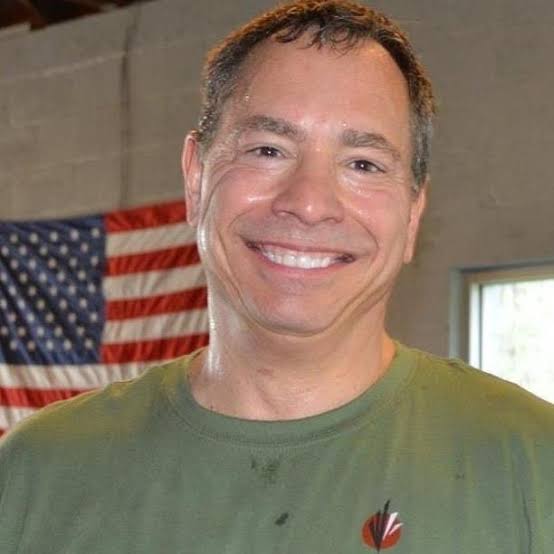
Jim Eglin
https://marylandsystema.comJim Eglin is the founder and chief instructor of Maryland Systema. He has trained in Systema, Krav Maga, judo, boxing, and jiu-jitsu, and received his full Systema instructor certification in 2019. Jim teaches practical self-defense with an emphasis on breathing, movement, balance, awareness, controlled contact, and responsible decision-making under pressure. He leads adult classes in Rockville and Takoma Park, Maryland.