Distance management self-defense begins with noticing when another person starts to reduce your space or limit your movement. Someone may stand too close, block your path, follow your movement, ignore a clear request for space, or position themselves in a way that limits where you can go. Recognizing those changes early gives you more time to respond before the situation turns into a physical struggle.
The goal is not to appear threatening or prove that you can handle a fight. It is to recognize growing pressure, maintain enough space to move, and make clear decisions while you still have options. For most adults, creating distance, leaving the area, and getting help are better outcomes than exchanging strikes.
Distance Management Self-Defense and How It Works
Distance management means recognizing, creating, and maintaining useful space between yourself and another person. The amount of space you need depends on the setting, the other person’s behavior, nearby exits, and whether physical contact has already started.
With enough distance, you have more time to observe a person’s hands, movement, and behavior. If someone closes that space aggressively or continues moving closer after you have set a clear boundary, your options begin to change. You may need to move, speak clearly, put an object between you, or leave instead of staying in place and hoping the situation improves.
Managing distance does not always mean backing straight away from someone. In a hallway, parking area, elevator, kitchen, or crowded public space, your movement may be limited. Moving at an angle, keeping an exit available, and avoiding a position where you can be trapped against a wall can be more useful than simply trying to gain a few extra steps.
How Distance Gives You More Options
Space gives you time, and even a small amount can make a difference. It gives you a better chance to see what is happening, control your breathing, set a clear boundary, and choose where to move. Once someone is grabbing, striking, or forcing you into an obstacle, your options become more limited and the physical demands increase.
That is why practical self-defense begins before an attack. Awareness does not mean treating every situation as a threat. It means noticing when a person, place, or interaction deserves more attention. If someone’s behavior concerns you, you do not need to wait until you are certain there is a problem before moving toward an exit, other people, better lighting, or a more public area.
Distance also reduces the chance of being caught by surprise. Someone who gets too close has more opportunity to grab your clothing, push, strike, or interfere with your movement. Maintaining space does not guarantee safety, and some situations develop too quickly to avoid contact. It does, however, give you more time and more options to respond clearly.
Position Matters as Much as Distance
The amount of space between you and another person matters, but where you stand matters just as much. Standing directly in front of someone can leave you within their easiest line of reach. Moving slightly to the side can improve your view, open a path around them, and make it harder for them to trap you against a wall or other barrier.
Pay attention to the environment around you. Near a doorway, avoid standing where another person can block your exit. In a parking lot, notice cars, curbs, and narrow spaces that can restrict your movement. In a crowded area, know where other people are and where you can move if the situation changes. A chair, table, counter, car, or shopping cart can also create useful separation without escalating the situation.
Your body position should make movement easier. A balanced, natural stance usually works better than a rigid posture. Keep your feet under you, avoid crossing them as you move, and keep your hands in a natural position where they can help maintain space if necessary. This lets you stay mobile without making the situation more confrontational.
Use Your Voice to Maintain Distance
Clear verbal boundaries are an important part of managing distance. Short, direct statements usually work better than long explanations. “Stop.” “Please step back.” “I don’t want contact.” “I’m leaving.” Speak clearly and loudly enough to be heard, especially when other people are nearby.
The goal is not to argue or convince the other person. A long conversation can keep you close and give them more opportunities to continue the interaction. If someone ignores a clear boundary, take that seriously. Create more distance and move toward a safer place when you can.
Keep Moving Without Rushing
People often freeze, rush backward, or become tense when they feel pressure. These reactions can make it harder to maintain balance, see what is happening, and make clear decisions. Training helps you notice that tension and return to useful basics: breathing, staying upright, observing your surroundings, and moving with control.
Moving calmly does not mean moving slowly when you need to act. If you have a clear opportunity to leave, take it. If your movement is limited, change your angle, maintain your balance, and look for the next opening rather than forcing your way straight backward.
Breathing also supports movement under pressure. Holding your breath can increase tension and narrow your attention. A steady exhale can help you stay mobile during a shove, grab, or close-range struggle. Breathing will not solve the situation on its own, but it can help you move and respond more effectively when physical pressure increases.
When Physical Contact Becomes Unavoidable
Distance management self defense also matters after someone has already closed the gap. At close range, conditions can change quickly. Your balance, body position, the other person’s size, the surface under your feet, and the direction of pressure all affect what you can do.
Your immediate priorities are usually to avoid falling unnecessarily, protect yourself from further harm, create enough space to disengage, and move toward an exit or other help. That can mean turning instead of pulling straight back, moving briefly with the pressure to recover your balance, or using your surroundings to keep the other person from crowding you.
No single response works for every grab, push, or close-range encounter. A wrist grab in an open room presents a different problem from being pinned against a car, restricted in a hallway, or knocked down on uneven ground. Practical training should help you adjust to changing conditions rather than depend on a fixed sequence that assumes everything will happen as expected.
A weapon adds another level of danger. Creating distance, escaping, finding cover, and getting help are generally better choices than attempting a physical response. When physical action cannot be avoided, the situation can change rapidly. Responsible training therefore develops judgment, awareness, movement, and restraint along with physical skills.
How to Practice Distance Management in Training
Useful practice starts at a manageable pace. Partners can work with simple approaches, verbal pressure, light contact, or controlled attempts to close distance. This gives you a chance to notice when you begin to rush, lose track of an exit, or let your feet cross and affect your balance.
As you become more comfortable, training can add realistic limitations such as a wall, chair, narrow space, seated position, or more than one person applying pressure. The goal is not to overwhelm you. It is to help you keep breathing, observe what is changing, stay mobile, and make decisions while the situation becomes less predictable.
At Maryland Systema, this work focuses on adaptable principles rather than fixed forms. Adults with different fitness levels and training backgrounds can progress at a reasonable pace while learning how posture, movement, awareness, and composure affect their ability to manage distance.
Make Distance Management a Practical Habit
You do not need to treat every unfamiliar person as a threat to practice good distance management. The goal is to move through daily life with awareness and enough room to make good choices. Notice exits when you enter a space, pay attention when someone ignores a reasonable boundary, and give yourself permission to leave an interaction that begins to feel unsafe.
Often, the best self-defense decision happens before physical contact begins. Create space, keep moving, and choose the safer direction while you still have the opportunity.
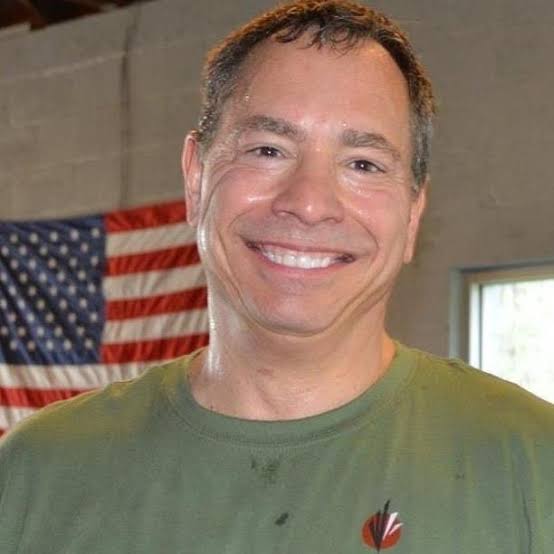
Jim Eglin
https://marylandsystema.comJim Eglin is the founder and chief instructor of Maryland Systema. He has trained in Systema, Krav Maga, judo, boxing, and jiu-jitsu, and received his full Systema instructor certification in 2019. Jim teaches practical self-defense with an emphasis on breathing, movement, balance, awareness, controlled contact, and responsible decision-making under pressure. He leads adult classes in Rockville and Takoma Park, Maryland.