Best Self-Defense for Beginners: 7 Essential Lessons
The best self-defense for beginners combines awareness, clear boundaries, physical skills, and supervised practice. It helps you recognize problems, make decisions, and respond within your abilities. No single martial art or movement fits every adult, so your starting point should reflect your needs and reasons for training.
Most adults want to feel better prepared while walking to a car, riding public transit, handling an uncomfortable interaction, or dealing with unwanted contact. They want useful options when someone ignores a boundary or gets too close.
Those options begin before a physical struggle. Noticing a blocked exit, changing your position, speaking clearly, or getting help can matter as much as responding to contact.
At Maryland Systema, our instructors use breathing, relaxation, structure, and movement to help students understand changing pressure. The goal is to protect yourself and reach safety.
What Does the Best Self-Defense for Beginners Include?
A useful beginner program teaches you to recognize a problem, make a decision, and act. It gives you time to ask questions and understand why a response works under some conditions and fails under others.
Adults arrive with different strengths and limitations. You do not need to match another student’s speed, flexibility, or experience. You need instruction that respects your starting point while helping you improve.
The best self-defense for beginners should include the following seven lessons.
1. Notice Changes Before Contact Begins
Awareness means noticing information that affects your next decision. It does not require constant fear or suspicion.
Someone standing nearby in a crowded station is different from someone repeatedly following you after you move away. A person asking a question is different from someone blocking your path after you end the conversation. Behavior and context matter together.
Notice your surroundings too. A narrow hallway, a curb behind you, or bags around your feet changes where you can move. An open business or nearby staff member provides additional options.
You do not have to establish another person’s intentions before choosing more space or requesting help. You can end an interaction because you feel uncomfortable.
Awareness has limits. Surprise happens, and nobody notices everything. Responsibility for violence remains with the person causing harm.
The best self-defense for beginners develops attention without promising that awareness prevents every dangerous encounter.
2. Connect Distance With Clear Boundaries
Managing distance in self-defense involves both the space between you and another person and the routes available around you.
Extra space helps when it gives you time to move, speak, or leave. Backing away without checking behind you creates another problem if you step into traffic or become trapped against a wall.
Verbal boundaries should be brief and clear. Depending on the circumstances, you can say:
- “Please step back.”
- “Do not touch me.”
- “I’m leaving.”
- “I don’t want help.”
Then notice the response. Someone who respects your boundary gives you different information from someone who continues approaching or blocks your movement.
You do not need to remain in place arguing until the other person agrees. Use an opportunity to leave when it becomes available.
The best self-defense for beginners connects words with action. Speaking clearly, moving toward assistance, and keeping an exit available belong together.
3. Keep Breathing While You Move
Physical pressure often brings unnecessary tension. Your shoulders rise, your jaw tightens, or your breath stops while you try to solve a problem.
Beginner training gives you opportunities to recognize those habits in a controlled setting. The aim is to continue breathing during movement rather than bracing your whole body against every change.
Our article on breathing in self-defense explores this part of training. Start by noticing when you stop breathing and returning to comfortable breaths as the activity allows.
Breathing does not remove danger or guarantee calm. You can feel frightened and still make a useful decision.
In class, breathing should support your attention. If concentrating on a breathing count prevents you from noticing your partner or surroundings, the instruction needs adjustment.
When comparing the best self-defense for beginners, look for instructors who explain how breathing fits into movement without presenting it as a complete answer to fear or physical pressure.
4. Develop Balance, Mobility, and Strength
You do not need an athletic background to begin. Physical capacity still matters, and instruction should help you develop it at a manageable pace.
Balance helps you control your position. Mobility helps you change it. Strength contributes to supporting your weight, working against resistance, and moving when another person interferes.
Our discussion of balance versus strength in self-defense explains why these abilities should work together.
Useful movement leaves you able to take another step, change direction, or continue toward an exit. Reaching too far or putting all your effort into one action can reduce those options.
There is no universal footwork rule for every setting. Walking, turning in a confined space, and recovering from a loss of balance involve different demands.
The best self-defense for beginners develops usable movement while acknowledging that size, strength, fatigue, and physical limitations affect what is possible.
5. Learn With Gradual Resistance
A response that works with a cooperative partner has not answered every question. What changes when the grip becomes firmer, the angle shifts, or the partner moves?
Beginners need opportunities to explore those changes without becoming overwhelmed. Start with clear instructions, agreed limits, and enough time to understand the task.
As your control improves, instructors can introduce additional resistance or uncertainty. Increasing difficulty should serve a learning purpose. It should never become a test of how much discomfort you will tolerate.
You should know how to stop an activity, communicate discomfort, and request an adjustment. Your partner should respect those boundaries immediately.
Ask yourself: “What changed, and how did that affect my options?”
The best self-defense for beginners gives you room to answer that question. You learn when more effort helps, when your position needs to change, and when your original plan is no longer available.
6. Measure Progress Through Better Decisions
Remembering movements is one part of learning. Your decisions deserve equal attention.
Signs of progress include:
- Noticing that your route is becoming restricted.
- Communicating a boundary without extending an argument.
- Recognizing that your balance is deteriorating.
- Requesting less training pressure before losing control.
- Using an available opportunity to disengage.
These improvements do not guarantee a particular outcome during an encounter. They show that you are paying attention to more than completing a movement.
Leaving early, seeking assistance, and ending a conversation also belong in self-defense education.
The best self-defense for beginners keeps your purpose clear: protect yourself and reach safety. Staying in a confrontation to demonstrate skill adds unnecessary demands.
Regular practice gives you time to revisit problems, receive feedback, and recognize habits that are difficult to notice on your own.
7. Choose Instructors Who Respect Your Starting Point
Ask how the class introduces new students to contact, resistance, and unfamiliar movement. Clear answers tell you more than dramatic demonstrations.
Observe how instructors respond when someone struggles. Do they explain the task differently, adjust the pressure, or help the student understand what happened?
Ask questions before participating:
- Can you pause or decline an activity?
- How do partners agree on contact and intensity?
- How do instructors accommodate different levels of mobility?
- What should you expect during your first class?
- What costs follow an introductory visit?
Look for instruction that addresses communication alongside physical skills. The University of Oregon’s self-defense program, for example, describes instruction that combines physical, verbal, and emotional skills with clear boundaries. Its program illustrates how self-defense education extends beyond fighting.
When choosing the best self-defense for beginners, consider how clearly instructors explain the purpose of training. You should understand what you are learning and how the difficulty will increase.
Recognize Promises That Training Cannot Keep
Be cautious of guaranteed escapes, claims that strength never matters, or demonstrations presented as proof that one response works against every attack.
Surprise, restricted movement, weapons, multiple people, and fatigue change the problem. Responsible instructors discuss those limits.
Weapon threats deserve particular caution. An empty-handed response carries serious risk. A successful demonstration does not establish that it will work during an assault.
Confidence also needs honest feedback. Feeling more confident does not automatically mean you have developed reliable physical skills or better judgment.
The best self-defense for beginners helps you understand your options and limitations. You should know what needs more practice and where uncertainty remains.
Begin Training at Maryland Systema
Maryland Systema offers adult self-defense classes in Rockville and Takoma Park. Our instructors use breathing, relaxation, structure, and movement to help students explore changing distance, balance, contact, and pressure.
You do not need previous martial arts experience. Training starts from your current ability, with questions and feedback forming part of the learning process.
Your first group class is free. There are no contracts, uniforms, or monthly membership requirements. Wear comfortable clothing and long pants.
Attend a free introductory class and experience the teaching approach for yourself. Give yourself time to build skills, ask questions, and develop judgment through regular practice.
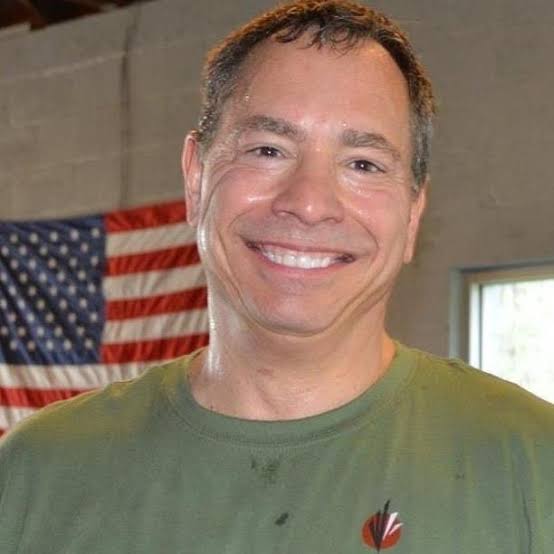
Jim Eglin
https://marylandsystema.comJim Eglin is the founder and chief instructor of Maryland Systema. He has trained in Systema, Krav Maga, judo, boxing, and jiu-jitsu, and received his full Systema instructor certification in 2019. Jim teaches practical self-defense with an emphasis on breathing, movement, balance, awareness, controlled contact, and responsible decision-making under pressure. He leads adult classes in Rockville and Takoma Park, Maryland.