A person in their sixties does not need to train like someone in their twenties to develop useful self-defense skills. Systema for older adults should account for differences in mobility, fitness, experience, and physical condition while still helping students improve how they move and respond under pressure.
Can older adults learn Systema? Yes. Systema does not require students to memorize long forms, compete in matches, or meet the same physical standard as everyone else. Training develops breathing, posture, balance, awareness, natural movement, and the ability to adjust when distance, resistance, or circumstances change. Those abilities remain useful at any age.
Training still needs to fit the individual. Previous injuries, joint replacements, balance concerns, medications, and general fitness can affect how someone practices. A responsible approach takes those factors into account without assuming that an older student is unable to participate or benefit from training.
Systema for older adults: why it can work well
Many martial arts programs teach a specific response to a specific attack. Repetition can help with learning, but a fixed approach becomes less useful when strength, flexibility, speed, or range of motion differ from one person to another.
Systema places more emphasis on principles that can adapt to the individual. Students learn to notice unnecessary tension, regulate breathing, maintain balance, manage distance, and keep moving as pressure changes. Instead of depending on one ideal response, they learn to work from the position they actually have.
For an older adult, that may mean using movement and positioning rather than trying to overpower someone. It may mean noticing a problem early enough to leave before contact begins. If physical contact does occur, the goal may be as simple as protecting balance, releasing a grip, creating space, and moving toward a safer position or exit.
Systema also does not require competition, belt rankings, uniforms, or a performance-based curriculum. That can make training more approachable for older adults who want practical self-defense instruction without having to compete or prove themselves against other students.
What a practical starting point looks like
A first class should give a new student room to learn, not test how much discomfort they can tolerate. Older adults should be able to train at a pace that allows them to pay attention to breathing, posture, balance, and movement. As coordination, confidence, and conditioning improve, the level of pressure can increase gradually.
Early practice may include walking, turning, changing direction, adjusting height, moving around a partner, and staying balanced while someone applies light pressure. Students can also explore how a grab affects the shoulders, wrists, posture, and ability to move. Instead of pulling harder against resistance, they learn to reduce unnecessary tension and move toward a better position.
Ground movement can also be useful, especially because getting down to the floor and standing up safely are practical abilities. The approach should match the individual. Some students may use a wall, chair, or partner for support, work through a smaller range of motion, or delay certain movements until they develop more mobility and confidence.
The same approach applies to striking, restraint, and close-range contact. Training can begin slowly, with clear communication and controlled pressure. The goal is to understand distance, timing, balance, and decision-making before adding greater resistance or complexity.
Clear communication supports safer training
An instructor needs to know about physical limitations that affect training, and students should feel comfortable discussing them. A previous shoulder injury, knee pain, vertigo, recent surgery, or concern about falling can change how an exercise should be practiced. Sharing that information helps the instructor adjust the work so it remains useful.
Older adults should also follow any medical restrictions already in place. Self-defense training can support movement, balance, awareness, and confidence, but it does not replace medical care, physical therapy, or rehabilitation. Training should work alongside those needs, not ignore them.
Useful skills often come into play before physical contact
Most adults are not training because they expect to get into a fight. They want to be better prepared for unwanted contact, aggressive behavior, confusing encounters, or situations where their balance and judgment are tested.
That is why practical self-defense often begins before anyone throws a strike. An older adult can benefit from learning to notice what is happening nearby, recognize when someone is closing distance too quickly, keep access to an exit, and use a clear voice to set a boundary. These skills do not require speed or strength, and they can sometimes prevent physical contact altogether.
If contact does occur, the priorities are usually simple: protect your balance, avoid becoming trapped, create space when possible, and leave. You do not need a large collection of memorized responses to work toward those goals. You need enough experience with pressure to keep moving, stay aware, and make a useful decision.
This matters in places such as parking areas, public transit, doorways, and crowded spaces where movement is restricted. Training can help students understand how posture, position, and awareness affect their options. It cannot remove risk or guarantee control of a situation, but it can help make a response calmer and more deliberate.
Can you learn Systema after years without regular exercise?
Yes, as long as you start gradually and train within your current abilities. Many adults return to regular physical activity after years of work demands, family responsibilities, injury, or inactivity. The first goal is not to get into peak condition quickly. It is to build a consistent practice.
At first, you may tire sooner than expected, feel awkward with unfamiliar movements, or need more time to recover between classes. That is part of returning to physical activity. With regular practice, students often become more aware of unnecessary tension and more comfortable stepping, turning, changing direction, and recovering their balance.
Progress will not always follow a straight line. An old injury may become uncomfortable, your schedule may interrupt training, or you may simply have days when movement feels harder. Systema allows you to keep working within those limits rather than forcing yourself through the same demands every class. The goal is steady improvement, not perfect performance.
It also helps to separate self-defense training from general fitness. Systema can improve conditioning, coordination, balance, and mobility, but its main purpose is to develop practical judgment and adaptable movement. If your primary goal is significant weight loss, endurance training, or rehabilitation, Systema can be part of a broader approach rather than replacing other appropriate exercise or care.
Questions to consider before starting Systema later in life
Before joining any self-defense class, ask how the instructor adjusts training for injuries, limited mobility, and different fitness levels. Find out whether beginners are expected to spar right away, whether falling and ground work are introduced gradually, and how training partners manage intensity.
It also helps to ask what the school considers a successful self-defense outcome. A practical answer should include awareness, avoidance, boundaries, de-escalation, escape, and responsible use of force. If the focus stays only on fighting harder or defeating another person, the training may not fit an older adult who wants greater safety, confidence, and independence.
Trying or observing a class before making a longer commitment can tell you a great deal. Pay attention to whether students work with control, whether the instructor adjusts for differences in ability, and whether students can ask questions without pressure. A good training environment recognizes that people bring different bodies, experience levels, and goals to class.
Why starting now can still be worthwhile
Starting later in life does not mean you have to catch up with anyone. There is no rank to chase, no uniform to earn, and no reason to compare how much pressure you can handle with the person beside you. The value comes from understanding your own movement better and becoming more comfortable making decisions when conditions change.
At Maryland Systema, adults can start with a free first group class and train at a manageable pace. The focus stays practical: breathe, keep moving, protect your balance, notice problems early, and make clear decisions under pressure.
You do not need to wait until you feel completely fit or confident to begin. Start where you are, train carefully, pay attention to your body, and build useful skills through regular practice.
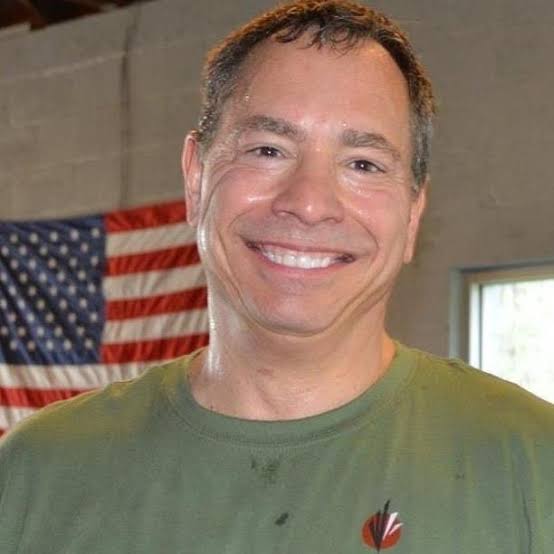
Jim Eglin
https://marylandsystema.comJim Eglin is the founder and chief instructor of Maryland Systema. He has trained in Systema, Krav Maga, judo, boxing, and jiu-jitsu, and received his full Systema instructor certification in 2019. Jim teaches practical self-defense with an emphasis on breathing, movement, balance, awareness, controlled contact, and responsible decision-making under pressure. He leads adult classes in Rockville and Takoma Park, Maryland.