Practice Calm Breathing Under Pressure: 3 Steps for Better Control
Learning to practice calm breathing under pressure begins with noticing what happens when you feel rushed, crowded, or caught off guard. A grab, an argument that closes distance, or a sudden loss of footing can interrupt your breathing before you consciously respond. Your shoulders tighten, your hands clamp down, and you start using more effort than the situation requires.
The goal is to keep breathing while you assess what is happening and decide what to do next. You still need to recognize danger, protect your balance, and leave when an opportunity appears. Breathing belongs alongside those actions.
At Maryland Systema, we approach breathing as part of movement and self-defense training. You learn to notice unnecessary tension, adjust the difficulty, and continue working without demanding that you feel perfectly calm first.
Why breathing changes under pressure
Surprise and stress often change how you breathe. You might take quick breaths, brace your abdomen, or stop breathing briefly while concentrating on a problem. During close contact, those changes sometimes happen without you noticing.
Breath holding gives you a useful signal when you practice calm breathing under pressure. Were you trying to overpower your partner? Did you focus so closely on a grip that you stopped moving your feet? Did the exercise become too difficult to follow?
Breathing alone does not determine your balance or judgment. Your position, fatigue, surroundings, and the other person’s actions all matter. However, noticing your breath gives you a specific place to begin when your response feels rushed or rigid.
Start by reducing unnecessary effort. Recover your position and look beyond the point of contact. Those adjustments help keep the exercise focused on movement and decisions.
Calm does not mean slow or passive
To practice calm breathing under pressure, let your breathing match the activity. Walking, speaking, moving quickly, and recovering after exertion place different demands on your body.
Trying to force the same breathing pattern through every activity adds another task to manage. Watch for unnecessary breath holding or strain while allowing your breathing to respond to the work.
You also do not need to wait until you feel composed before acting. If someone blocks your path or ignores a boundary, creating distance takes priority over completing a breathing exercise.
Useful progress looks ordinary. You notice that you stopped breathing, resume without a struggle, and continue moving. You hear an instruction without becoming fixed on your partner’s hand. You recognize an opening and use it.
Start with a simple baseline
Before you practice calm breathing under pressure, become familiar with breathing comfortably when the demands are low.
Stand with your feet comfortably placed and your knees unlocked. Let your arms rest. Check whether you are lifting your shoulders, clenching your jaw, or squeezing your hands without a reason.
Breathe gently at a comfortable depth. Use your nose if that feels natural, but do not make nasal breathing a requirement during exertion. Avoid pulling in the largest breath you can or pushing the air out forcefully.
Give yourself a minute to notice how much attention you are putting into controlling the breath. Aim for comfortable breathing that leaves you able to observe your surroundings.
Try this during ordinary pauses, such as after a difficult conversation or before leaving a parked car. Keep your attention on your surroundings whenever you are in public.
This baseline helps you recognize changes when you practice calm breathing under pressure during movement or controlled contact.
Practice calm breathing under pressure in stages
Increase difficulty gradually so you have time to notice your reactions and change them. If the exercise immediately becomes a struggle, simplify it.
Change one demand at a time. Add movement before contact, then introduce predictable contact before uncertainty. Increase speed only when you can follow what is happening.
The following three steps give you a clear progression. Stay at each stage long enough to understand the task, communicate comfortably, and make deliberate choices.
Add movement first
Ordinary movement gives you a manageable way to practice calm breathing under pressure before introducing physical contact.
Walk across a clear space, turn, stop, and change direction. Notice whether you interrupt your breathing when you concentrate.
Next, sit down and stand up from a stable chair. Reach for something at a comfortable height. Step around an obstacle with enough room to move safely.
You do not need to coordinate every step with an inhale or exhale. Let the breath continue while your attention moves between the task and your surroundings.
If you repeatedly hold your breath during one movement, slow it down. Check whether you are adding effort through your shoulders, hands, or jaw. Choose movements that suit your mobility, and get instruction for unfamiliar or demanding transitions.
Add mild resistance
When you practice calm breathing under pressure with a partner, agree on the task and amount of contact before you begin. Work with an instructor who can help both people keep the exercise controlled.
A starting point is light, predictable contact against an arm or shoulder. Keep the contact steady enough that you can notice your breathing and protect your balance.
Watch what happens when you try harder. Do you hold your breath and push back automatically? Do your feet stop moving? Does all your attention settle on the contact?
Pause when necessary. Reduce the pressure and begin again. Your partner should respond immediately when you ask to stop or adjust.
Avoid surprise pushes, neck pressure, or attempts to restrict breathing. Those demands do not belong in a beginner breathing exercise.
Add decision-making, not just exertion
Once movement and light contact feel manageable, introduce a simple choice.
An instructor can identify two clear directions of travel, then ask you to choose the open route as your partner changes position. Another exercise can involve deciding when to speak, step away, or stop the interaction.
Keep the choices limited enough that you understand the task. Adding noise, several people, and heavier contact at once makes it harder to identify what needs work.
As you practice calm breathing under pressure, check whether your attention remains available for decisions. Did you see the open route? Did you hear your partner? Did you continue after the exercise should have stopped?
A smooth breath does not make an unsafe decision a good one. Evaluate the whole response.
Use the exhale to reduce excess tension
As you practice calm breathing under pressure, use a comfortable exhale to check whether you are adding unnecessary effort. During light partner work, breathe out without squeezing your abdomen or forcing all the air from your lungs.
Notice whether you can move with less strain. Keep enough muscular support to remain upright and protect your position. Relaxation does not mean collapsing into the pressure.
Avoid treating the exhale as protection against a strike or fall. Breathing does not make impact safe. Learning to fall and move on the ground requires suitable instruction, appropriate conditions, and gradual progression.
You also do not need to exhale on every movement. A fixed pattern becomes distracting when the task changes.
The useful question is whether you can continue breathing while doing what the exercise requires. If you cannot, adjust the challenge before adding more difficulty.
What research supports, and what it does not
A 2023 randomized study published in Cell Reports Medicine compared five minutes of daily structured breathing with five minutes of mindfulness meditation over one month. Researchers reported improvements in mood and reduced anxiety across the practices. Exhale-focused cyclic sighing showed particular benefits for positive mood and respiratory rate.
You can read the study, “Brief structured respiration practices enhance mood and reduce physiological arousal,” on PubMed.
That research examined brief daily practices. It did not test performance during an assault or establish the effectiveness of Systema.
If you want to practice calm breathing under pressure for self-defense, that distinction matters. Research on daily breathing exercises provides background. Learning to move, communicate, and make decisions during physical contact requires supervised practice.
Common mistakes to avoid
One mistake is forcing large breaths because you think deeper always means better. Start with comfortable breathing that suits the activity. If an exercise makes you lightheaded, stop and return to normal breathing.
Another mistake is judging progress only by how calm you feel. You can feel nervous and still notice an exit, state a boundary, or make a sensible decision. Fear does not automatically mean the practice has failed.
Trying to practice calm breathing under pressure at an intensity you cannot manage makes it harder to notice and adjust your reactions. Reduce the speed, contact, or number of choices when necessary.
Avoid turning breathing into a competition. Longer breath holds and greater discomfort are not the goals. Your partner’s tolerance is not a standard you need to match.
Finally, breathing practice is never a reason to remain in a confrontation. Distance, de-escalation, and getting help remain central to self-protection.
Build the skill through honest practice
As you practice calm breathing under pressure, look for progress in how soon you notice an interruption and how readily you adjust.
Perhaps you recognize breath holding before your instructor points it out. Perhaps you reduce unnecessary effort without stopping the exercise. Perhaps you step away instead of continuing a contest over a grip.
Ask your instructor what they observed, compare that with your experience, and adjust one thing at a time. Manageable challenges give you room to pay attention and build consistency.
Maryland Systema offers adult self-defense classes in Rockville and Takoma Park. Our instructors connect breathing with movement, balance, awareness, and controlled partner work, with difficulty adjusted to your experience.
Your first group class is free. You can begin with your current fitness and experience, learn how the training works, and build from there.
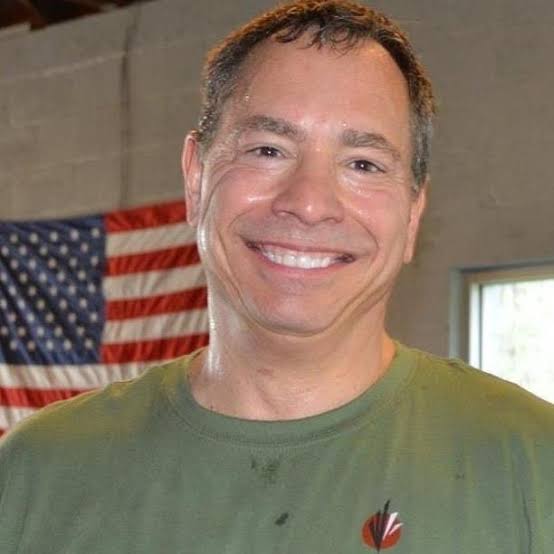
Jim Eglin
https://marylandsystema.comJim Eglin is the founder and chief instructor of Maryland Systema. He has trained in Systema, Krav Maga, judo, boxing, and jiu-jitsu, and received his full Systema instructor certification in 2019. Jim teaches practical self-defense with an emphasis on breathing, movement, balance, awareness, controlled contact, and responsible decision-making under pressure. He leads adult classes in Rockville and Takoma Park, Maryland.