Practical Self-Defense for Adults: 7 Helpful Safety Habits
Practical self-defense for adults begins with recognizing changes and keeping options available. An argument that grows louder, someone blocking your path, or unwanted contact in a confined space can require a decision before any physical response becomes necessary.
You need to consider the person’s behavior, your surroundings, and whether you have a clear way to leave. Physical skills matter, but they belong alongside awareness, communication, distance, and judgment.
At Maryland Systema, we connect those decisions with breathing, balance, and movement through controlled practice. You do not need previous martial arts experience to begin. The following seven habits explain what useful training should help you develop.
1. Practical Self-Defense for Adults Starts With Observation
Awareness means paying enough attention to notice when an interaction or setting changes. You do not need to treat every stranger as a threat or spend your day looking for danger.
Focus on behavior and context. Someone standing close in a crowded elevator is different from someone following you into open space and continuing to crowd you. A person asking a question is different from someone blocking your movement after you say you need to leave.
Notice patterns without assuming you know another person’s intentions. You can change direction, step into an open business, or end a conversation before deciding exactly why someone is behaving that way.
Practical self-defense for adults also involves noticing ordinary obstacles. A curb, shopping bag, wet floor, or narrow passage can affect your ability to move even when no one intends harm.
Our public safety awareness guide explains how observation, position, and communication work together. The aim is to recognize useful information and act on it.
2. Preserve Distance and a Route Away
Space gives you options, but the direction you move matters as much as the distance you create. Stepping backward into traffic or a corner can introduce another problem.
When an encounter becomes uncomfortable, notice the available routes. Is there a staffed area nearby? Does the doorway lead somewhere you can continue moving? Are other people restricting the path?
For example, if someone becomes aggressive beside your vehicle, trying to reach the driver’s door immediately can keep you close to them. Depending on the surroundings, moving toward an open business or another accessible area can offer a better option.
There is no single distance that guarantees safety. Reach, speed, obstacles, and the person’s actions all affect how much room you have.
This is why practical self-defense for adults should include distance management during movement. In class, you can explore how a partner’s position changes your available space and whether your next step improves it.
You do not need to remain in one place to show that you mean what you say.
3. Set Boundaries Without Depending on Cooperation
A clear boundary tells someone what you want. It also gives you information about how they respond.
Short statements are often easier to use than a long explanation:
- “Please step back.”
- “Do not touch me.”
- “I’m ending this conversation.”
- “I need to get through.”
Use an ordinary, firm voice when speaking is appropriate. You do not need to argue about whether your request is reasonable.
If someone ignores the boundary, consider what action remains available. Repeating yourself indefinitely can keep you involved in an encounter you want to leave. Move away, approach staff, or seek help when you can.
Right To Be’s guide to responding to public harassment emphasizes that your safety comes first and that you decide whether to respond. It also makes clear that harassment is not the targeted person’s fault.
That principle belongs in practical self-defense for adults: speaking is an option, not an obligation. You do not owe an aggressive stranger a response, and leaving does not require their permission.
4. Keep Balance and Movement Connected
Physical practice should help you notice what happens when another person changes your position. Do you lean against pressure, stop moving your feet, or hold your breath while trying to push harder?
At Maryland Systema, an exercise can begin with light contact and a clear task. You might explore how to keep your balance while a partner applies pressure from one direction. Later, the direction or timing can change.
The instructor can help you examine what happened rather than simply telling you to move faster. Did you have room to step? Were you looking only at the point of contact? Did your own effort make changing direction harder?
Practical self-defense for adults connects these observations with decisions. Recovering balance is useful because it gives you another opportunity to move, protect yourself, or leave.
Breathing practice supports that work. Notice when you stop breathing during an exercise and reduce the pace if necessary. You do not need to feel perfectly calm before acting, and an available escape should take priority over completing a breathing pattern.
5. Learn to Adjust When an Exercise Changes
A demonstrated response can introduce a useful idea. The next step is understanding what happens when the starting position changes.
A grip can shift as you move. Your partner can be taller or shorter than the last person you worked with. An obstacle can remove the space you expected to use.
Training should let you explore those differences gradually. Begin with a task you understand, then change one factor. This gives you a clearer picture of why something becomes difficult.
For practical self-defense for adults, useful questions include:
- Where can I move from this position?
- What is affecting my balance?
- Am I staying engaged when I have room to leave?
- Does this response still fit the problem?
Learning to adjust does not mean moving randomly. It means paying attention, applying what you have practiced, and recognizing when the conditions call for another choice.
No exercise proves that you can handle every confrontation. Its value lies in the feedback it provides and the opportunities it gives you to improve.
6. Include Ground Movement and Recovery
Losing your footing changes the situation. Your view can become restricted, nearby objects can limit movement, and getting upright immediately is not always possible.
Ground practice should introduce manageable ways to change position, remain aware, and explore returning to your feet. An instructor can begin with individual movement before adding controlled partner contact.
Our ground movement self-defense training focuses on protection, mobility, and opportunities to reach safer space. Standing is part of the task, but so is noticing whether the route away remains open.
Exercises need to account for the individual. Someone with limited knee movement needs a suitable starting position and alternatives. More experienced students can explore additional variables without setting the pace for everyone else.
An accidental fall with a possible injury also requires a different response from a supervised exercise. Do not force yourself through a practiced movement when you need help.
Ground skills support a wider approach to safety. Avoiding an unnecessary struggle remains preferable to relying on your ability to recover from one.
7. Choose Training You Can Continue
Practical self-defense for adults develops through repeated opportunities to practice, ask questions, and receive feedback. Your schedule, comfort with contact, and relationship with the instructor all affect whether you keep attending.
Look for a class where the purpose of each exercise is clear. You should understand what you are working on and how to request a change.
Before participating, ask how beginners start and how pressure increases. Tell the instructor about relevant movement limits. During practice, partners should respect requests to slow down, pause, or stop.
Useful training can be challenging without making every exercise a test of toughness. Resistance should reveal something you can work on rather than simply leave you overwhelmed.
Look for specific progress. You might recognize a loss of balance sooner, notice an exit during an exercise, or communicate a limit more clearly. Those observations give you a better measure of learning than whether you outperform another student.
A class that fits your life gives you time to develop these abilities without rushing.
Begin Adult Self-Defense Training at Maryland Systema
Maryland Systema offers adult classes in Rockville and Takoma Park. Training connects awareness, breathing, balance, movement, and responses to changing pressure.
You do not need a uniform, specialized equipment, or previous martial arts experience for your first group class. You can check the current schedule and try one free class to experience the instruction and pace.
Use that visit to ask questions and observe how students work together. Notice whether you understand the tasks and feel able to communicate your limits.
Practical self-defense for adults should help you recognize problems, preserve room to move, and make decisions that support your safety. Begin with manageable practice, keep asking questions, and choose instruction that connects physical skills with awareness, boundaries, and opportunities to leave.
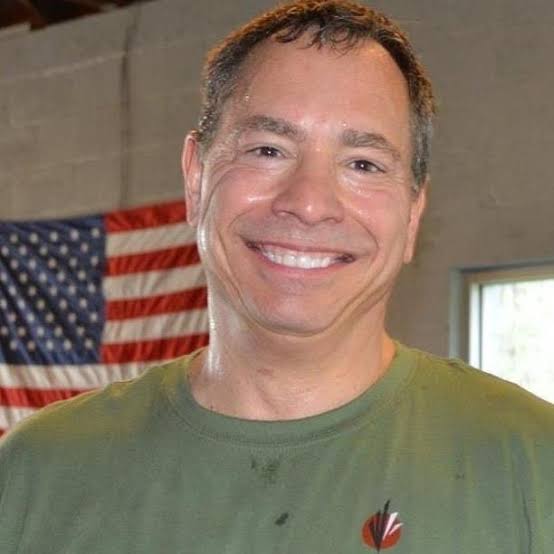
Jim Eglin
https://marylandsystema.comJim Eglin is the founder and chief instructor of Maryland Systema. He has trained in Systema, Krav Maga, judo, boxing, and jiu-jitsu, and received his full Systema instructor certification in 2019. Jim teaches practical self-defense with an emphasis on breathing, movement, balance, awareness, controlled contact, and responsible decision-making under pressure. He leads adult classes in Rockville and Takoma Park, Maryland.