A crowded Metro platform, a quiet parking garage, and the walk from a bus stop to your front door each call for a different kind of awareness. Useful commuter personal safety tips for safer travel are not about assuming every stranger is dangerous. They are about noticing what is happening around you, keeping your options open, and staying calm enough to make a good decision when something does not feel right.
Many uncomfortable encounters begin before there is an obvious threat. Someone may stand too close, match your pace, block where you are trying to go, demand your attention, or turn a minor disagreement into something more serious. Recognizing those changes early gives you more time to create distance, set a clear boundary, move toward a safer area, or ask for help before the situation becomes physical.
Practical Commuter Personal Safety Tips That Keep Your Options Open
A more useful question than “What move would I use?” is “What options do I have right now?” Distance, exits, lighting, nearby people, and your own balance can all affect what you are able to do next.
As you enter a station, bus, elevator, parking garage, or building, take a moment to notice the space around you. Look for places you could move toward if the situation changed. On a train platform, that may be a station attendant, a group of passengers, or an open path away from the platform edge. In a garage, notice the stairwell, elevator, call box, exit, or a better-lit area with more people nearby.
This does not mean constantly scanning your surroundings or moving through your commute on edge. It is simply a habit of knowing where you are and what choices are available. When something changes unexpectedly, that awareness gives you more to work with.
Your phone can also affect how quickly you notice those changes. Reading messages while crossing a quiet parking lot or standing near the edge of a platform divides your attention at a time when you may need it. You do not have to avoid your phone throughout the commute. Pay more attention during transitions between places, especially at night, in parking areas, or anywhere that feels less predictable.
The same idea applies to headphones. There is no need for a blanket rule against using them. Adjust how you use them to the environment. Lowering the volume, wearing one earbud, or taking them out temporarily can make it easier to hear traffic, transit announcements, footsteps, or other changes around you.
Position Yourself Early to Avoid Trouble
Where you position yourself can make a real difference before a situation becomes more serious. If someone is making you uncomfortable, try not to let yourself get boxed in against a wall, vehicle, train door, or corner. Move toward open space, better lighting, transit employees, or other passengers. On a bus or train, changing seats or moving to another car is often a better choice than confronting someone about their behavior.
You can also create distance without drawing attention to what you are doing. A small step, a change of angle, or an ordinary object such as a bench, seat, or bag can give you more space and time. If someone keeps closing the distance after you move away, take that seriously. You do not need complete certainty before choosing a better position.
On a train platform, avoid standing too close to the edge, especially in a crowd or when someone nearby is behaving unpredictably. Give yourself enough room to move in more than one direction. The same principle applies at curbside pickup areas, gas stations, building entrances, and other places where people and vehicles are moving around you.
Your balance matters as well. A comfortable, stable position makes it easier to change direction, walk away, or recover if someone bumps or pushes into you. You do not need to stand in a fighting posture. Keep your feet under you, move without crossing your legs unnecessarily, and pay attention to bags or other items that restrict your movement or occupy both hands.
Use Clear Boundaries Without Escalating the Situation
A calm, direct voice can help when someone is crowding you, touching you, or refusing to leave you alone. Short statements usually work better than long explanations. “Please step back.” “Do not touch me.” “I’m not interested.” “I need space.”
State what you need clearly, then focus on creating distance. You do not need to convince the other person that you are right. The purpose of the boundary is to make your position clear while you continue looking for a way to leave, move toward help, or stay mobile.
There are also times when saying less is the better choice. If someone appears highly agitated, intoxicated, intent on provoking you, or determined to block your movement, arguing can make the situation worse. Moving toward employees, other people, or an exit may be more useful. Your response should match what is happening around you and the options you still have.
If you need help, make the request specific. Instead of shouting generally and hoping someone responds, direct your words to a particular person. “You in the blue jacket, please call 911.” “Driver, this person is following me.” “Can you stay with me while I call for help?” Giving someone a clear task can make it easier for them to act.
Pay More Attention During Commute Transitions
The parts of your commute before and after the ride often deserve the most attention. A train or bus may be well lit and busy, while the walk to your car, parking garage, or front door is quieter and less predictable. A few simple habits can make those transitions easier to manage.
When you approach your car, have your keys ready and take a quick look around the vehicle before getting in. If the car has been unattended, glance into the back seat as well. Once you are inside, lock the doors and get moving rather than sitting in place while you organize bags, check messages, or adjust your plans.
If you think someone is following you on foot, avoid leading them to your home or car. Change direction and move toward a staffed business, transit employee, police or fire station, or another area with more people. If you are driving and believe another vehicle is following you, do not drive home. Continue to a public, well-lit location and contact police when you can do so safely.
It also helps to let someone you trust know when your routine changes unexpectedly. A late workday, canceled train, unfamiliar route, or longer walk home can leave you in a different situation than usual. You do not need to report every part of your commute. A simple message can give you an extra layer of support when you are traveling at an unusual time or through a quieter area.
Use Breathing to Stay Calm and Ready
Stress can quickly change the way you breathe, move, and process what is happening around you. Your breathing may become shallow, your body may tighten, and your attention can narrow so much that you stop noticing exits, obstacles, or other people nearby. Those reactions are natural, but they can make it harder to respond effectively.
When you notice that tension building, return your attention to your breathing. A steady exhale can help you stay connected to your movement and surroundings. Keep your knees relaxed, maintain your balance, and look beyond the person or problem directly in front of you. That wider awareness may help you notice an open path, move around an obstacle, call for help, or recognize that it is time to leave.
Breathing does not make a dangerous situation safe, and staying calm does not replace taking action. Its value is practical. When you continue breathing and avoid locking your body in place, you are in a better position to move, speak clearly, maintain your balance, and make decisions as the situation changes.
What to Do When a Situation Becomes Physical
If someone grabs, restrains, or strikes you, focus first on getting free and reaching safety. Protect your balance, keep breathing, and look for a way to move toward an exit, other people, or help. If you can break contact and leave, that is usually the best result.
Physical encounters rarely happen under ideal conditions. You may be carrying bags, standing on uneven ground, moving through a narrow space, or dealing with someone who is larger, stronger, or acting unpredictably. This is why practical self-defense training should develop awareness, movement, posture, ground mobility, close-range contact, and decision-making rather than relying only on fixed responses practiced with a cooperative partner.
Once you are safe, assess what happened. Contact emergency services when needed, seek medical attention for injuries, and write down what you remember while the details are still fresh. A shove, fall, grab, or short struggle can cause injuries that are easy to overlook immediately after a stressful event.
Practice Commuter Safety Skills Under Controlled Pressure
Reading about personal safety can help you build better habits, but some skills need to be practiced with another person. Controlled training gives adults a chance to work with distance, balance, confined spaces, and gradually changing pressure while learning how their breathing, movement, and decisions change under stress.
At Maryland Systema, training is built around adaptable movement and sound decision-making rather than fixed routines. Students learn gradually how to stay mobile, keep breathing, notice problems earlier, and adjust when distance, position, or pressure changes.
That approach fits the realities of commuting, where footing, distance, available space, and the behavior of people around you can change quickly. Practicing in varied conditions helps turn commuter personal safety tips for safer travel into habits you can use when a situation does not unfold as expected.
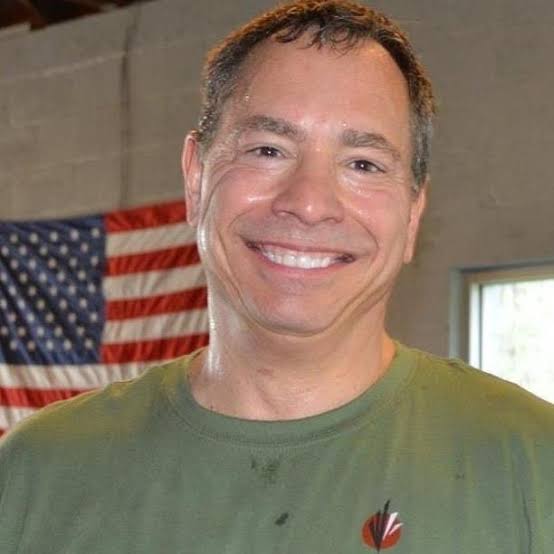
Jim Eglin
https://marylandsystema.comJim Eglin is the founder and chief instructor of Maryland Systema. He has trained in Systema, Krav Maga, judo, boxing, and jiu-jitsu, and received his full Systema instructor certification in 2019. Jim teaches practical self-defense with an emphasis on breathing, movement, balance, awareness, controlled contact, and responsible decision-making under pressure. He leads adult classes in Rockville and Takoma Park, Maryland.