Systema for Older Adults: 5 Simple Ways to Start
Systema for older adults should begin with the person who arrives at class: their goals, current abilities, experience, and physical limitations. A person in their sixties does not need to train like someone in their twenties to begin learning useful self-defense skills.
Can you learn at your own pace? Yes, when the instructor adjusts the exercises and gives you room to progress. At Maryland Systema, training focuses on breathing, posture, balance, awareness, and movement as distance and pressure change. You do not need to memorize long forms or prepare for competition.
Your starting point still matters. Previous injuries, joint replacements, balance concerns, and medical restrictions affect which activities are appropriate. Age alone does not tell an instructor how much contact, exertion, or movement you can manage.
These five steps explain how to begin thoughtfully and what to look for in a class.
1. Start Systema for Older Adults With a Conversation
Before joining an exercise, tell the instructor what you want to learn and what affects your movement. Be specific. Difficulty kneeling, discomfort when turning your head, or a restriction on loading one shoulder gives the instructor useful information.
You should also explain any medical restrictions that apply to exercise or contact. If you have an injury, a chronic condition, or uncertainty about contact training after surgery, discuss the planned activities with your healthcare professional. An instructor can adjust an exercise but cannot provide medical clearance.
The National Institute on Aging recommends starting with activity suited to your current fitness and increasing it gradually. Its guidance on getting and staying active as you age provides a useful starting resource. That general exercise guidance is separate from deciding whether falls, restraint, or contact practice suit your circumstances.
A responsible approach to Systema for older adults includes permission to pause, reduce pressure, or skip an activity. Ask how you should signal a stop and make sure your training partner understands. You should not have to explain the same limitation repeatedly while an exercise continues.
Observing part of a class is also an option. Watch how the instructor responds when someone asks for an adjustment. That response tells you more than a promise that everyone can participate.
2. Begin With Manageable Movement and Breathing
Your first class should give you time to understand the work. Early practice can include walking, turning, changing direction, and adjusting your position around a partner. The pace should let you notice what happens to your breathing and balance.
A small movement can provide useful information. Do you hold your breath when someone moves closer? Do you lean so far that your next step becomes difficult? Do you tense your shoulders before contact even begins?
These observations give you something concrete to practice. You can slow down, shorten a step, change direction, or reduce effort that is making movement harder. Our article on breathing exercises to stay calm explains how we approach breathing during practice.
Systema for older adults should allow differences in range of motion and stamina. One student can practice a larger turn while another uses several smaller steps. Both can explore how to stay balanced and able to move again.
Floor work needs its own progression. If getting down or standing up is difficult, discuss alternatives before the exercise starts. Depending on your abilities and restrictions, the instructor can keep the work standing, use an appropriate stable support, or postpone floor movements. Being able to get down to the floor does not automatically mean that falling practice is appropriate.
3. Add Contact and Resistance Gradually
Learning at your own pace still allows meaningful challenge. The aim is to introduce difficulty you can learn from while keeping the purpose and limits of the exercise clear.
A partner exercise can begin with light, predictable pressure against an arm or shoulder. You explore how your position changes and whether you can move without simply pushing harder. Later, your partner can vary the direction or add movement within agreed limits.
Systema for older adults should not jump from gentle cooperation to intense, unpredictable contact. Between those extremes are many useful adjustments: a different starting position, a change in direction, or a slightly less predictable movement.
Increase one demand at a time so you can understand what changed. If added resistance causes you to lose control of the exercise, reduce it and work on the part that became difficult. Training partners should stop promptly when asked.
Breathing and relaxation do not remove the effects of strength or size. A stronger person can still be difficult to move away from. Honest practice helps you recognize those limits while exploring positioning, distance, and opportunities to leave.
You should never need to endure pain to demonstrate commitment. Tell the instructor when a movement hurts, and stop the activity rather than treating pain as an expected obstacle to progress.
4. Practice Awareness, Boundaries, and Ways to Leave
Useful self-defense skills often come into play before physical contact. You can practice noticing who is approaching, recognizing when space is narrowing, and keeping a route away from a developing problem.
This is an important part of Systema for older adults because relying on speed or physical strength alone leaves gaps. Awareness and earlier decisions can give you more options, although they cannot guarantee that you will avoid harm.
For example, consider a doorway where another person blocks your path. Training can explore where you stand, whether another route is available, and how you communicate that you want space. The exercise should include decisions as well as movement.
Our articles on distance management for self-defense and verbal boundaries and de-escalation explain these priorities further.
If contact begins, the training goal remains practical: protect your balance, avoid becoming trapped, and create an opportunity to move away. A useful exercise should help you recognize when that opportunity appears instead of encouraging you to continue an exchange unnecessarily.
Parking areas, public transit, crowded entrances, and narrow walkways all change your available space. Practice can explore those differences without suggesting that you should treat every person or place as a threat.
5. Build a Routine That Allows for Recovery
Returning after years without regular exercise requires a manageable starting point. You do not need to match another student’s workload. Begin with an amount of participation you can tolerate, take breaks, and discuss adjustments as you learn how you respond.
Consistency matters, but it does not require identical effort every class. Some days you can take part in more demanding partner work. On others, lighter movement or observing an exercise is a more appropriate choice.
Judge progress through specific changes. Are you noticing breath-holding sooner? Can you change direction without leaning as much? Are you communicating your limits more clearly? Do you recognize a route away from pressure earlier in an exercise?
Systema for older adults can sit alongside walking, strength work, balance exercises, and other suitable activity. It does not replace rehabilitation or a broader exercise plan tailored to your needs. Being comfortable in one training exercise also does not establish that you are prepared for every real encounter.
Before committing to a school, ask about costs, attendance expectations, and beginner support. Watch whether experienced students adjust their pace and whether the instructor explains why an exercise matters. Choose a setting where questions and limits receive a clear, respectful response.
At Maryland Systema, adults can try a free first group class in Rockville or Takoma Park. You do not need previous martial arts experience, a uniform, or a contract. Visit Maryland Systema to arrange your first class and discuss any adjustments you need.
Systema for older adults should give you room to start where you are and develop useful skills through regular practice. Choose a manageable pace, communicate openly, and look for instruction that connects breathing, balance, awareness, and movement to practical decisions.
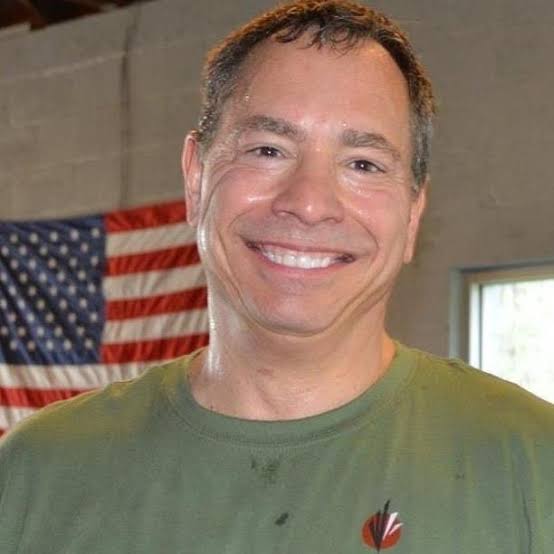
Jim Eglin
https://marylandsystema.comJim Eglin is the founder and chief instructor of Maryland Systema. He has trained in Systema, Krav Maga, judo, boxing, and jiu-jitsu, and received his full Systema instructor certification in 2019. Jim teaches practical self-defense with an emphasis on breathing, movement, balance, awareness, controlled contact, and responsible decision-making under pressure. He leads adult classes in Rockville and Takoma Park, Maryland.