Does Breathing Improve Self Defense? 5 Practical Benefits
Does breathing improve self defense? Yes, because controlling your breathing can help you manage stress, maintain balance, move more naturally, and make clearer decisions under pressure. When someone becomes frightened, they often hold their breath without realizing it. Their shoulders tighten, their jaw clenches, and movement becomes rushed. Even a simple decision, such as stepping away, using a firm voice, or finding an exit, becomes harder when tension takes over.
Breathing is not a secret technique or a replacement for awareness, boundaries, distance, or physical skills. It will not guarantee safety, and it cannot make a dangerous situation harmless. What it can do is give you more control over your own body and attention when pressure rises. That makes it easier to recognize what is happening, avoid unnecessary escalation, and act without freezing or panicking.
Does Breathing Improve Self Defense Under Pressure?
Self-defense often begins before physical contact. You may need to notice concerning behavior, keep appropriate distance, set a boundary, leave early, or ask for help. Each of those actions depends on attention and judgment. When stress causes you to tense and stop breathing, your attention can become fixed on one perceived threat while other useful information disappears.
A steady breath can help interrupt that pattern. It gives the body a simple, repeatable task when the mind is moving too quickly. You are not trying to become perfectly calm in an instant. You are trying to reduce unnecessary tension enough to see, move, and decide.
This matters during physical contact as well. Holding the breath tends to stiffen the torso, shoulders, neck, and hands. Stiffness can make it harder to turn, step, regain balance, or release from a grab. It can also lead to a sudden burst of effort followed by fatigue. Exhaling during movement helps many people avoid bracing against every bit of pressure at once.
The benefit is not that relaxed people are passive. The benefit is that a person who can breathe while moving has more options. They can use structure without becoming rigid, maintain mobility without rushing, and respond to changes instead of relying on a rehearsed reaction.
At Maryland Systema, we see how quickly physical pressure can change someone’s breathing. Even a controlled exercise involving a light push or pull can cause a student to tighten their shoulders and hold their breath. Learning to recognize that response is an important part of developing self-defense under pressure.
Breathing Supports Balance and Natural Movement
Good self-defense movement is rarely about striking a pose. It is about staying organized while circumstances change. You may be walking in a crowded area, turning in a narrow hallway, dealing with an unwanted grab, or trying to get up safely after losing your footing. In each case, balance is more useful than dramatic force.
Breathing affects balance because tension affects posture. When people become anxious, they commonly lean backward, lock their knees, lift their shoulders, or bend forward at the waist. These reactions can make them easier to push, pull, or off-balance. They may also limit their ability to move in a new direction.
A controlled exhale can help reduce the habit of locking up. It allows the ribs, abdomen, hips, and legs to work together more naturally. That does not mean going loose or collapsing. It means keeping enough structure to stand and move while avoiding the unnecessary resistance that makes movement slow.
Consider a simple example. If someone pulls your arm, the instinct may be to yank back while holding your breath. That can turn a manageable pull into a contest of strength. A better response may involve breathing out, turning your body, stepping to improve your position, and moving toward an exit or safer space. The exact response depends on the grip, your surroundings, the other person’s behavior, and whether leaving is available.
The principle is to stay mobile rather than become trapped in a strength contest.
Regular practice also helps students recognize how breathing changes during ordinary physical movement. Walking, turning, lowering the body, and returning to a standing position all provide opportunities to maintain natural breathing while keeping balance. These exercises develop habits that can remain useful when movement becomes more demanding.
Why Breathing Helps With Fear and Adrenaline
Adrenaline is not automatically a problem. It can increase alertness and prepare the body for action. But without practice, its effects can feel overwhelming. Your heart may race, your hands may shake, and your thoughts may become disorganized. Trying to force yourself to be fearless is usually not realistic or necessary.
Instead, train to function while feeling some stress. Breathing is one way to do that. A longer, unforced exhale can help reduce the urge to rush. Breathing continuously, rather than taking one huge breath and holding it, can keep the body from building more tension than the situation requires.
The goal is not a rigid breathing count. In a real encounter, you may be speaking, moving quickly, calling for help, or recovering from being startled. A counting pattern can be useful during quiet practice, but self-defense breathing needs to remain adaptable. The useful habit is simple: notice when you are holding your breath, then let air move as you move.
Research also supports the relationship between breathing and stress management. According to the National Institutes of Health, breathing exercises can help produce the body’s relaxation response, which is associated with slower breathing and a reduced heart rate. Research suggests that diaphragmatic breathing exercises can help reduce stress, although the evidence has limitations.
For self-defense training, this provides a useful foundation for practicing greater control over tension during stressful situations. Breathing alone does not determine how someone responds to danger, and stress reduction research does not establish that breathing prevents violence. However, regular practice can help people become more aware of their physical reactions.
This is especially valuable for adults who have not trained in a long time or who are returning to physical activity after an injury. When effort feels unfamiliar, people often tense their whole body to feel secure. Gradual practice helps replace that reaction with steadier posture, more comfortable movement, and better recovery after exertion.
Breathing Is Useful, but It Is Not Enough
It would be misleading to treat breathing as a complete answer to violence. A person can breathe well and still make a poor decision. They can have good posture and still be in an unsafe environment. They can move skillfully and still face factors they cannot control, including multiple people, weapons, confined spaces, or a determined aggressor.
That is why self-defense should include more than physical responses. It should develop awareness, distance management, verbal boundaries, de-escalation, escape, and responsible decision-making. Breathing supports these abilities because it helps you remain present enough to use them.
There are also moments when fast, forceful action is necessary to create a chance to escape. Calm breathing does not mean slow movement or hesitation. It means avoiding the kind of panic that wastes energy and narrows choices. A person can act decisively while still breathing and staying connected to their balance.
This broader approach is one reason Systema for self-defense emphasizes adaptable movement rather than memorized responses. Students practice recognizing changes in pressure, adjusting their position, and making decisions based on what is actually happening.
Does breathing improve self defense when a situation becomes physically demanding? It can support your ability to keep moving and manage unnecessary tension, but its usefulness depends on the quality of your training and the circumstances you face.
The purpose of breathing practice is not to give students a false sense of security. It is to develop a habit that supports other important skills.
Does Breathing Improve Self Defense Through Regular Practice?
The best practice is modest and consistent. Start in ordinary moments, not only when you are already stressed. While walking, standing in line, or getting up from a chair, notice whether your shoulders are raised or your jaw is clenched. Allow your breathing to remain comfortable without forcing it. Then continue with your activity.
During movement practice, use the breath to check for unnecessary tension. Exhale as you step, turn, change levels, or use your hands to create space. If you notice yourself becoming rigid, slow down enough to regain posture and balance. Speed has value, but only when you can still direct it.
Training with another person adds an important layer. Controlled exercises involving light pushes, pulls, grabs, or close-range contact show where you stop breathing or overreact. The partner’s pressure can increase gradually, allowing you to learn without being overwhelmed. This kind of practice is more useful than trying to memorize a perfect response to every possible situation.
At Maryland Systema, breathing is practiced alongside movement, posture, awareness, and decision-making. The purpose is not to perform a breathing drill well. It is to stay functional as distance, resistance, position, and pressure change.
One practical exercise involves walking naturally while paying attention to breathing. As you change direction, increase your pace, or turn around an obstacle, notice whether your breathing becomes restricted. When you feel tension building, allow yourself to exhale and continue moving.
Another useful exercise involves moving between standing, seated, and ground positions. These movements place different demands on balance and coordination. Practicing comfortable breathing while changing positions helps students recognize when they are using more muscular effort than necessary.
The important point is consistency. Five minutes of attentive practice during normal activities can help reinforce habits that students later apply during more demanding training.
Common Breathing Mistakes During Self-Defense Training
One of the most common mistakes beginners make during self-defense training is holding their breath when physical contact begins. A student may breathe naturally while walking or practicing simple movement, then suddenly stop breathing when someone applies pressure. The change is often subtle, but the resulting tension can affect balance, coordination, and the ability to move comfortably.
Another mistake is trying too hard to control every breath. Some people become so focused on inhaling and exhaling at the correct moment that they stop paying attention to their surroundings. In self-defense, breathing should support movement and awareness rather than become another complicated task.
At Maryland Systema, we encourage students to recognize these habits through controlled exercises. When someone pushes, pulls, or changes direction unexpectedly, students practice noticing their physical reactions. The goal is not to eliminate every sign of stress. It is to identify unnecessary tension and continue moving while maintaining enough awareness to make useful decisions.
Breathing too forcefully can also create problems. Large, exaggerated breaths are not always appropriate during physical activity, particularly when someone is already breathing rapidly. Instead, students work toward comfortable, continuous breathing that adjusts naturally to their level of effort.
Students sometimes make another mistake by expecting breathing to produce immediate relaxation. During demanding physical activity, your heart rate and breathing rate naturally increase. Trying to suppress those reactions can interfere with normal movement. The better approach is to recognize the difference between necessary physical effort and unnecessary muscular tension.
Regular practice helps students recognize when their breathing changes, especially during unfamiliar movements or unexpected contact. Over time, this awareness becomes part of how they approach physical challenges rather than something they must constantly think about.
Does breathing improve self defense when you make these adjustments? It can help you remain more aware of your physical responses and reduce avoidable tension. The important lesson is that effective breathing does not require perfection. It requires attention, practice, and the ability to adapt when circumstances change.
The Standard Is More Choice, Not Perfect Calm
No one can promise that they will feel calm during a frightening encounter. Stress is a normal human response. A more realistic standard is whether you can notice your stress, breathe through some of the tension, and keep making useful choices.
That may mean recognizing a problem early and leaving. It may mean using a firm voice, managing distance, protecting your balance, or getting help. If physical contact occurs, it may mean moving enough to create an exit rather than trying to prove control over another person.
Breathing will not replace sound judgment or practical training, but it can make both more available when you need them. Practice it quietly and consistently, then let it support the most useful self-defense skill of all: the ability to stay aware, stay mobile, and choose the safest available action.
For adults who want to improve their ability to respond under pressure, regular self-defense training provides opportunities to put these ideas into practice. At Maryland Systema, students work on breathing while walking, changing direction, maintaining balance, and responding to controlled physical contact. These exercises help students recognize when unnecessary tension interferes with their movement and decision-making.
Does breathing improve self defense in everyday life? Its greatest value comes from practicing it consistently, especially when situations become uncomfortable or unpredictable. Our adult self-defense classes in Rockville and Takoma Park introduce these skills at a manageable pace.
Maryland Systema offers group classes on Tuesday and Thursday evenings and Sunday afternoons. Your first class is free, with no contracts, uniforms, or previous martial arts experience required. Regular training gives you a chance to develop your breathing, movement, awareness, and decision-making alongside other adults in a supportive training environment.
The goal is not to eliminate fear or guarantee a particular outcome. It is to develop practical habits that help you recognize problems earlier, respond with better judgment, and maintain more control over your movement when circumstances change.
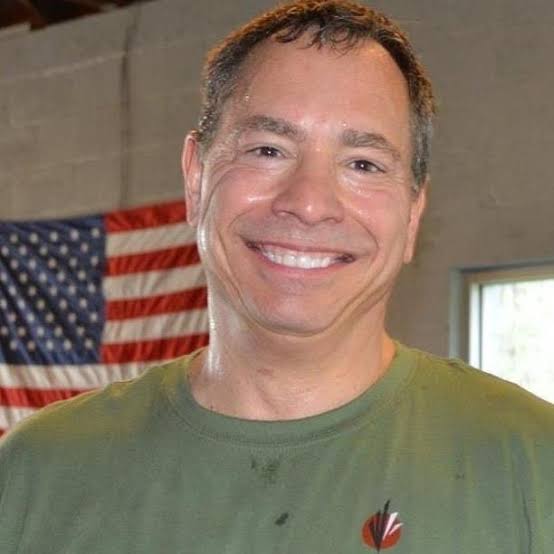
Jim Eglin
https://marylandsystema.comJim Eglin is the founder and chief instructor of Maryland Systema. He has trained in Systema, Krav Maga, judo, boxing, and jiu-jitsu, and received his full Systema instructor certification in 2019. Jim teaches practical self-defense with an emphasis on breathing, movement, balance, awareness, controlled contact, and responsible decision-making under pressure. He leads adult classes in Rockville and Takoma Park, Maryland.