Self-Defense Training Trends 2026: 6 Essential Priorities
Self-defense training trends 2026 are worth examining through a practical question: does the training help you recognize danger, make decisions, and find a way to safety? A crowded Metro platform, unwanted contact, or an argument beside your vehicle involves more than choosing a physical response.
At Maryland Systema, we evaluate training through awareness, breathing, balance, movement, and judgment. Those priorities guide the six areas below. They are not all new developments, and this article does not rank them by popularity or claim that every school follows the same approach.
For adults choosing a class in 2026, the useful question is what you will practice and how the instruction connects to your daily life.
1. Self-Defense Training Trends 2026: Awareness Before Contact
A class should help you recognize options before physical contact begins. That includes noticing unwanted crowding, identifying an exit, and deciding when to end an interaction.
Current programs provide concrete examples of this broader approach. VCU Police’s Rape Aggression Defense course lists fall 2026 classes that combine awareness education with physical instruction. Its nine-hour basic course includes three hours on recognizing and reducing risk, followed by six hours of physical training.
That example shows awareness and physical practice within one course. It does not establish an industry-wide increase or mean the program uses the same teaching approach as Maryland Systema.
When comparing self-defense training trends 2026, ask how a class addresses the moments before a grab or shove. Does the exercise allow you to create distance? Can leaving count as a successful decision? Do you practice noticing obstacles and other people?
Our public safety awareness guide explains how observation, space, and communication fit together. Physical responses belong within that larger set of choices.
2. Verbal Boundaries Connected to Movement
Knowing what to say is useful. Practicing what you do next makes the lesson more complete.
Imagine someone repeatedly stepping closer while you ask for space. Saying “Please step back” communicates your boundary, but the person still decides whether to respect it. Your training should also address distance, available exits, and seeking help.
At Maryland Systema, we connect communication with position and movement. You can speak while moving toward a clearer route away. You can end a conversation without waiting for agreement. When speaking is unsafe or delays escape, leaving takes priority.
This is a useful way to assess self-defense training trends 2026: look for exercises that connect a decision with an action. A boundary exercise should not end automatically because the student has said the right words.
Questions worth asking include:
- What happens if the other person ignores my request?
- Can I move away during the exercise?
- How do we practice asking for help?
- When is talking no longer useful?
A class should give you room to explore those questions without promising that calm language will stop every confrontation.
3. Gradual Pressure With Clear Learning Goals
An exercise needs enough challenge to reveal a problem, with enough control for you to examine it. More intensity does not automatically create more useful learning.
For a beginner, pressure can start with a partner applying light force while you work on balance. Later, the partner can change direction or timing. The instructor can adjust one part of the exercise so you understand what became harder.
When reviewing self-defense training trends 2026, pay attention to how instructors introduce uncertainty. Changing everything at once can make it difficult to identify why you lost balance or stopped moving.
For example, begin with a predictable direction of pressure. Once you understand the task, vary that direction. Then explore a different starting position. Each change should serve a purpose.
Students should be able to pause, request less contact, or ask for clarification. Resistance should match the exercise and the participants rather than becoming a contest.
Controlled practice cannot reproduce every feature of an actual assault. Its purpose is to help you notice habits, try adjustments, and develop skills within agreed limits.
4. Breathing, Balance, and Movement Practiced Together
Breathing and balance are long-standing parts of Systema. Their value comes from practicing them during movement and contact, not from calling them new.
In an exercise, notice what happens when your partner changes direction. Do you stop breathing? Do you lean against the pressure? Can you move your feet, or are you relying entirely on your arms?
Those observations give you something specific to work on. You can reduce the pace, recover your position, and repeat the task with a clearer purpose.
A practical review of self-defense training trends 2026 should ask whether a class connects these fundamentals with decisions. Remaining upright matters, but so does recognizing where to go next. Breathing practice should support your movement rather than delay an opportunity to leave.
Our approach to distance management in self-defense links movement with available space. You practice adjusting to the person, obstacles, and direction of pressure instead of assuming one position will always work.
You do not have to feel perfectly calm to make a useful decision. Training gives you opportunities to practice while experiencing manageable difficulty.
5. Instruction That Accounts for Different Adults
Adults arrive with different levels of fitness, mobility, experience, and comfort with contact. A useful class gives them ways to work on the same underlying problem at an appropriate pace.
One student can practice changing position while standing. Another can begin seated. Someone unfamiliar with ground movement needs a different starting point from a student who already moves comfortably on the floor.
When evaluating self-defense training trends 2026, look beyond claims that a class is suitable for everyone. Ask the instructor how they adjust a specific exercise and what options exist when a movement is uncomfortable.
Useful adjustments include reducing speed, changing the starting position, limiting the range of movement, or replacing an exercise. Students should not have to hide a concern to keep participating.
Private instruction can provide extra time to discuss your goals and work through questions. Group training introduces different partners and regular practice. Our comparison of private lessons vs group classes explains how each format supports learning.
Adjustments do not eliminate risk. They help the instructor and student choose a manageable way to practice.
6. Review Tools That Support Physical Practice
Video and written notes can help you review an exercise, record a question, or remember an instructor’s feedback. They serve a different purpose from working with another person.
Watching your own movement can reveal that you leaned forward or stopped stepping. It does not tell you everything about the pressure you felt, the grip involved, or the options available at that moment.
Use digital material to support a specific learning goal. Review a point from class, bring questions back to your instructor, and avoid treating a short demonstration as proof that a response will work for you.
Ask permission before recording anyone. Respect classmates who do not want their training shared.
Technology does not need to be part of every class. What matters is whether any tool improves your understanding and connects with supervised practice. We do not assume that an app, video course, or simulation replaces contact, feedback, and work with different partners.
Choosing Adult Self-Defense Training in 2026
Before joining a class, ask what you will practice, how pressure increases, and how the instructor handles limits. Watch whether students communicate and whether exercises include options to move away.
Look for an explanation of the purpose behind each activity. You should understand how an exercise relates to awareness, balance, distance, or making a decision.
Maryland Systema offers adult training in Rockville and Takoma Park. You can check our current class schedule and try one free group class to experience the pace and instruction.
The self-defense training trends 2026 worth your attention are the approaches that make training useful for your circumstances. Choose instruction that connects awareness, boundaries, movement, and physical practice, with time to ask questions and improve through regular attendance.
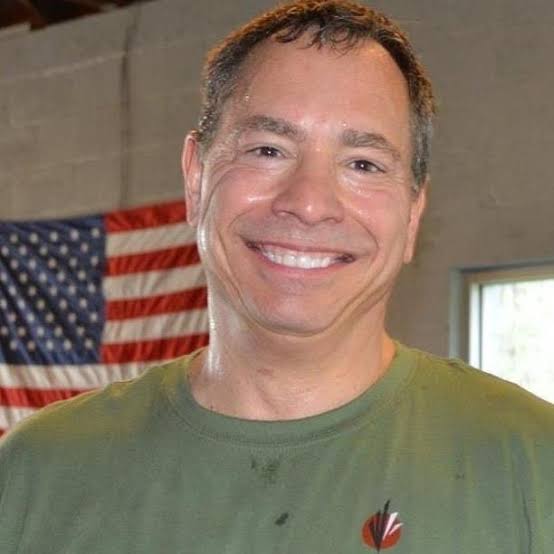
Jim Eglin
https://marylandsystema.comJim Eglin is the founder and chief instructor of Maryland Systema. He has trained in Systema, Krav Maga, judo, boxing, and jiu-jitsu, and received his full Systema instructor certification in 2019. Jim teaches practical self-defense with an emphasis on breathing, movement, balance, awareness, controlled contact, and responsible decision-making under pressure. He leads adult classes in Rockville and Takoma Park, Maryland.