Control Under Pressure: 7 Powerful Skills From Systema
Control under pressure starts with recognizing how you breathe, balance, and move when a confrontation changes. A grab tightens. Someone blocks your path. An argument becomes physical. Your response needs to account for the conditions in front of you, including your surroundings and the opportunities you have to leave.
At Maryland Systema, control starts with your own actions. You learn to notice when you hold your breath, brace against contact, or focus so closely on a grip that you overlook an opening. Training connects physical skills with awareness and judgment.
You do not need to feel fearless before taking useful action. You need opportunities to recognize your reactions, adjust your movement, and make decisions under manageable pressure. These seven skills explain how Systema approaches that work.
1. Control Under Pressure Begins With Awareness
Awareness gives your physical skills a purpose. Before deciding how to respond, you need information about the person, your surroundings, and your available routes away.
Someone standing close in a crowded hallway presents a different situation from someone following you into open space and repeatedly blocking your path. Context matters. A single gesture rarely tells you everything you need to know.
Pay attention to changes. Is the person moving closer after you ask for space? Have they stepped between you and the doorway? Are you backing toward a wall without realizing it?
You do not need to establish someone’s intentions before taking reasonable steps to protect your space. Ending a conversation, changing direction, or approaching a staffed area helps preserve options before physical contact occurs.
Our guide to practical self-defense for adults explores how observation, boundaries, distance, and judgment work together.
Developing control under pressure also involves noticing yourself. If you stare at the hand holding your wrist, you risk overlooking the rest of the person and the space around you. Training gives you opportunities to recognize that narrow focus and broaden your attention.
2. Breathing Helps You Recognize Unnecessary Effort
A difficult moment in training often reveals a simple habit: you stop breathing while trying harder.
A partner takes hold of your arm. You pull against the grip, raise your shoulders, and concentrate on getting free. Before long, the effort becomes the main thing you notice.
Breathing provides something concrete to observe. Are you holding your breath before movement begins? Can you continue breathing when the direction of pressure changes? Do you need to slow down to regain control of your effort?
Systema connects breathing with movement. You practice noticing interruptions while standing, changing position, working with contact, and recovering after exertion.
Building control under pressure includes learning to act while you feel uncomfortable. You do not need to complete a breathing pattern before moving, and an available exit takes priority over any exercise.
Breathing also provides feedback. When you repeatedly hold your breath during the same part of an exercise, you have a specific point to examine with your instructor. You can reduce the pace, identify what prompts the reaction, and work from a level you can manage.
3. Structure Supports Balance and Adaptable Movement
Structure describes how you organize your body to support movement and manage pressure. Your feet, knees, hips, torso, and head all affect whether you can remain balanced and change direction.
Consider what happens when you reach too far while someone holds your arm. Your upper body moves ahead of your feet. You become committed to one direction, and recovering your position takes additional effort.
Locking your body in place creates a different problem. You resist movement, but you also restrict your ability to adjust when the other person changes direction.
Useful structure supports control under pressure by allowing you to move without unnecessarily losing balance. You work on supporting your weight, recognizing when you lean, and repositioning your feet when your current position stops helping.
Structure also changes with the circumstances. Standing in open space, sitting in a chair, and moving beside a wall create different demands. Training helps you examine those differences.
The practical question is straightforward: does your current position help you protect yourself and move, or does it keep you stuck?
4. Relaxation Helps You Respond to Changing Contact
Relaxation means reducing tension that interferes with what you need to do. You still use muscular effort, protect yourself, and respond to contact.
During a grab, you can become so focused on pulling your arm free that you stop moving the rest of your body. Your shoulders tighten, your feet remain planted, and the struggle becomes increasingly concentrated around the grip.
Training lets you examine that response at a manageable pace. What changes when you stop pulling harder? Can you recover your posture? Is there room to step? Does your own tension make another direction harder to notice?
These questions matter when working with a larger or stronger partner. Size, strength, and determination affect an encounter. Relaxation does not remove those advantages. It helps you evaluate whether your effort serves a useful purpose.
Control under pressure develops as you connect structure, breathing, relaxation, and movement. You practice using enough effort for the task while retaining the ability to change.
That flexibility matters when your first response fails. Instead of repeating an unsuccessful action with greater force, you learn to reassess your position and available space.
5. Movement Creates Options When Conditions Change
A response that works from one position can fail when the grip, angle, or surroundings change. Movement helps you continue evaluating the problem.
At Maryland Systema, training includes changing distance, direction, resistance, and position. Practice begins at a manageable pace and becomes more demanding as your understanding and control develop.
Your environment belongs in that process. A wall removes space behind you. A chair interrupts your path. Uneven ground changes where you can place your feet. Another person occupies the doorway you intended to use.
Maintaining control under pressure requires movement with a purpose. Increasing distance helps only when the direction improves your situation. Stepping backward without checking your surroundings introduces another hazard.
Ground movement requires the same attention. If you lose your footing, your priorities change. You need to consider protection, nearby obstacles, available space, and opportunities to recover or seek help.
Movement also includes recognizing when continued contact no longer serves your safety. Creating an opening gives you another choice. When a usable route away becomes available, you need to notice it and decide whether you can leave.
6. Gradual Training Pressure Makes Learning More Useful
Training needs enough challenge to reveal problems while allowing you to understand them. Excessive pressure too soon can turn an exercise into a struggle with little opportunity to assess what happened.
At Maryland Systema, beginners start with manageable tasks. Pressure increases gradually through changes in movement, resistance, timing, or surroundings.
Changing one factor at a time helps identify the difficulty. You can examine whether you lost balance because you reached too far, stopped moving your feet, or anticipated an action that never happened.
To develop control under pressure, ask specific questions about your performance:
- Did I notice the change in direction or resistance?
- Was I still able to move from that position?
- Did my effort help me protect myself or create space?
- Did I recognize an opportunity to disengage?
- What needs to change before the next attempt?
Your training partner also has responsibilities. Requests to slow down, pause, or stop need to be respected. Controlled practice depends on a shared understanding of the purpose and limits of the exercise.
Adults bring different abilities and physical histories to class. Our information on self-defense classes for non-athletes explains how beginners can start at a manageable pace.
7. Judgment Helps You Recognize When to Disengage
Physical ability needs judgment. Being able to continue an encounter does not make continuing useful.
You practice considering whether you can leave, create distance, approach other people, or get help. Verbal boundaries and de-escalation belong alongside physical skills because some situations offer opportunities to disengage before contact begins.
A short statement such as “Do not touch me” communicates a boundary. The person’s response gives you information. If they ignore you, repeating the same words indefinitely can keep you involved while your options shrink.
Control under pressure includes recognizing when your approach needs to change. The action that supports your safety at one moment can become less useful as the person, distance, or surroundings change.
The UK Health and Safety Executive’s guidance on preventing violence and aggression recommends clear, calm communication, maintaining personal space, and avoiding arguments. Although written for workplaces, these principles relate to control under pressure: recognizing escalation, managing your response, and seeking help when communication does not improve the situation.
Physical training has limits as well. No method guarantees an outcome against a stronger person, a weapon, multiple attackers, or an unexpected assault. Responsible practice gives you opportunities to examine your choices without promising certainty.
Build Control Under Pressure at Your Own Pace
You do not need previous martial arts experience to begin at Maryland Systema. Instruction accounts for differences in fitness, mobility, confidence, and comfort with physical contact.
There are no required uniforms, belt rankings, or competition expectations. You work on breathing, structure, relaxation, and movement while learning how those principles affect your response to pressure.
Progress includes recognizing smaller changes. You notice tension sooner. You recover your balance with less unnecessary effort. You see a route away that you previously overlooked. These observations give you specific skills to develop through continued practice.
You also learn to assess progress honestly. Completing an exercise once does not establish that you can handle every variation. Working with different partners and changing conditions helps you understand what remains difficult and where you need more practice.
Maryland Systema offers adults in Rockville and Takoma Park opportunities to build control under pressure through thoughtful, progressive training. Your starting point is how you respond today. From there, you work toward greater awareness, more adaptable movement, and better decisions when circumstances change.
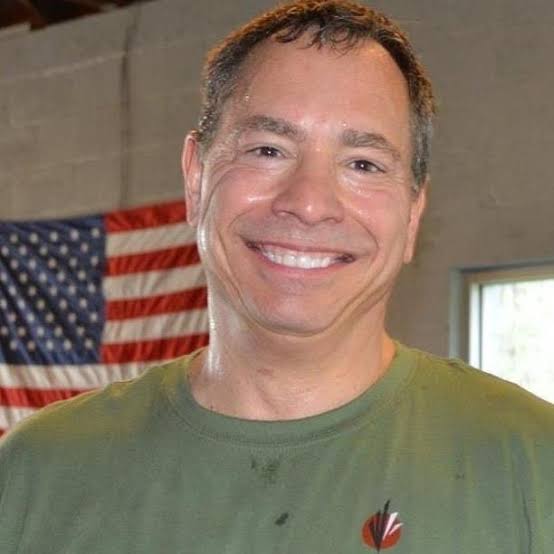
Jim Eglin
https://marylandsystema.comJim Eglin is the founder and chief instructor of Maryland Systema. He has trained in Systema, Krav Maga, judo, boxing, and jiu-jitsu, and received his full Systema instructor certification in 2019. Jim teaches practical self-defense with an emphasis on breathing, movement, balance, awareness, controlled contact, and responsible decision-making under pressure. He leads adult classes in Rockville and Takoma Park, Maryland.