7 Self-Defense Skills Every Maryland Adult Should Know
A crowded parking garage, an uncomfortable conversation that will not end, or an unexpected grab in a narrow hallway can change an ordinary day without warning. Developing useful self-defense skills means learning how to recognize trouble early, manage distance, protect your balance, and make clear decisions when circumstances become uncertain.
For adults in Maryland, personal safety is not about preparing for constant danger or expecting a confrontation. It is about developing habits that help you respond appropriately when someone crosses a boundary, blocks your movement, or creates unwanted physical contact.
At Maryland Systema, we teach adults in Rockville and Takoma Park how breathing, awareness, balance, and natural movement work together. Our approach emphasizes responsible decisions, controlled practice, and the ability to adjust when a situation changes.
The following seven self-defense skills provide a useful foundation for adults who want to improve their personal safety without relying on strength, speed, or extensive martial arts experience.
1. Self-Defense Skills Begin With Situational Awareness
Awareness is one of the most valuable self-defense skills because it gives you opportunities to act before a situation becomes physical.
That does not mean constantly searching for threats or treating unfamiliar people with suspicion. It means paying attention to behavior, movement, available exits, and changes in your surroundings.
Consider walking through a parking garage. You notice someone repeatedly changing direction as you move. Rather than waiting to determine that person’s intentions, you can return toward a populated area, contact security, or choose another route. The important point is recognizing that you have options before contact occurs.
Awareness also means noticing when an ordinary conversation begins to change. Someone may become increasingly aggressive, move closer after you have stepped away, or position themselves between you and an exit. These behaviors deserve attention because they can limit your ability to leave.
During Maryland Systema classes, awareness is incorporated into movement and controlled exercises. Students learn to observe another person’s position, recognize changes in distance, and identify opportunities to disengage.
Good awareness supports better decisions. It does not require predicting another person’s intentions or anticipating every possible danger.
2. Learn to Manage Distance and Personal Space
Distance management is another essential part of developing effective self-defense skills.
The space between you and another person influences how much time you have to observe movement, respond to contact, and choose an exit.
Many people instinctively step straight backward when someone approaches too closely. That response can create problems if a wall, parked vehicle, curb, or another person is behind them. Sometimes moving sideways or changing direction provides a better opportunity to leave.
Managing distance is not simply about keeping someone at arm’s length. The appropriate amount of space depends on your surroundings, the other person’s behavior, your mobility, and the available routes.
For example, moving farther away from someone in a narrow hallway offers limited value if you end up trapped against a locked door. Moving toward an open doorway or populated area may provide better options.
Our article on distance management in self-defense explains how positioning, movement, and awareness work together to help preserve personal space.
During training, students practice recognizing when distance changes. They also learn to move without unnecessarily sacrificing balance or placing themselves in a worse position.
The goal is not to control another person’s movements. It is to preserve your freedom to move and leave when appropriate.
3. Use Breathing to Manage Tension Under Pressure
Breathing affects how your body responds to physical and emotional stress.
When someone becomes startled or uncomfortable, they may hold their breath, tighten their shoulders, lock their knees, or become overly focused on a single problem. These reactions can interfere with natural movement and make simple physical tasks more difficult.
Learning to breathe continuously while moving is one of the self-defense skills we emphasize at Maryland Systema.
During controlled exercises, students notice what happens when someone applies a light push, pull, or grab. Even limited contact can cause people to become unnecessarily tense.
Rather than trying to overpower every movement, students practice maintaining their breathing, adjusting their position, and reducing excess effort.
This does not mean that breathing guarantees calmness or prevents injury. It helps students recognize their physical reactions and work toward greater control.
The National Institutes of Health explains that relaxation techniques, including breathing exercises, can support the body’s relaxation response. These practices have applications beyond self-defense, although they do not guarantee effective responses to danger.
For a closer look at how breathing applies to physical pressure, read our article, Does Breathing Improve Self-Defense?
Regular practice helps students recognize when they are holding their breath or using more muscular effort than necessary. The objective is not perfect relaxation. It is remaining functional enough to move, observe, and make useful decisions.
4. Protect Your Balance and Recover Your Movement
Balance influences nearly every physical response involved in personal safety.
An unexpected shove, a sudden pull on your arm, uneven pavement, or a crowded stairway can disrupt your footing before you have time to prepare.
One of the most important self-defense skills is learning to recover your balance without making the situation worse.
People often react to unexpected pressure by leaning backward, stiffening their legs, or pulling against the force with their arms. Those reactions can make recovery more difficult.
At Maryland Systema, we practice maintaining posture while changing direction, adjusting body position, and responding to controlled contact.
Students learn how small movements can help them regain stability without depending entirely on muscular strength.
For example, when a person pulls your arm, resisting with your arm alone can turn the interaction into a contest of strength. Depending on the circumstances, moving your feet, turning your body, and changing your position can provide better options.
Balance also matters when you lose your footing.
Training may include controlled falling, ground movement, and returning to a standing position. These exercises help students become more familiar with movement from positions that are less comfortable or less stable.
The goal is not to demonstrate athletic ability. It is to develop movement habits that remain useful when your position changes unexpectedly.
For adults returning to physical activity or managing reduced mobility, exercises should be adjusted to their abilities and limitations. Self-defense training should improve your ability to move, not require you to ignore pain or accept unnecessary injury.
5. Set Clear Boundaries and Recognize When to Leave
Not every threatening situation requires a physical response.
In many circumstances, effective communication and timely disengagement are more useful than attempting to control another person.
Learning to communicate clearly is an important part of practical self-defense skills.
Simple statements such as “Please step back,” “Stop,” or “I’m leaving” can establish a boundary without creating an unnecessary argument.
The way you communicate also matters. Your voice should be clear and appropriate to the circumstances. Your body position should allow you to move, and your hands should remain available without adopting an unnecessarily threatening posture.
Guidance from the CDC’s National Institute for Occupational Safety and Health emphasizes respecting personal space, maintaining non-threatening body language, and avoiding gestures that escalate tension. Although developed for healthcare settings, these principles also offer useful lessons about managing difficult interactions.
Verbal boundaries are not guarantees.
Someone may ignore your request, continue approaching, or become more aggressive. That is why communication must be connected to awareness, positioning, and the ability to leave.
During training, students can practice recognizing when continued conversation serves no useful purpose. Sometimes the best decision is to stop talking and move toward safety.
In other circumstances, you may need to seek help from nearby people, employees, security personnel, or emergency services.
The purpose of these self-defense skills is to give you more choices, not to encourage you to remain in a confrontation longer than necessary.
6. Respond to Physical Contact Without Relying Only on Strength
Physical contact changes the demands of self-defense.
A wrist grab, shove, restraint, or unwanted close-range contact can limit your movement and create immediate uncertainty. Your response depends on the other person’s actions, the surrounding space, your physical abilities, and whether an opportunity to escape exists.
This is why effective self-defense skills cannot depend entirely on memorizing one response for every possible situation.
A movement that works during a demonstration may become less useful when the other person changes direction, increases resistance, or alters their grip.
At Maryland Systema, students practice responding to controlled physical pressure while maintaining awareness of their balance, breathing, and surroundings.
An instructor may introduce a simple grab and then gradually change the direction or amount of pressure. Students learn to recognize how their position affects their options rather than attempting to force the same response regardless of what happens.
This type of training provides feedback about unnecessary tension, movement restrictions, and the limits of physical strength.
Controlled practice also teaches students to respect their training partners. Contact should increase gradually, with clear limits and opportunities to stop, reset, and discuss what happened.
Responsible instruction should never suggest that any movement guarantees escape from a determined attacker.
Weapon-related threats require additional caution. The presence of a knife, firearm, or another dangerous object significantly increases the risk of serious injury.
Training should emphasize avoiding confrontation, recognizing escape opportunities, complying when appropriate, and making responsible decisions based on the circumstances.
Physical responses are not certain solutions, especially when weapons are involved. The broader objective is to develop the judgment and movement needed to recognize an opportunity to reach safety.
7. Adapt Your Self-Defense Skills When Conditions Change
Real situations rarely follow a predictable sequence.
You may find yourself near a vehicle, against a wall, beside furniture, on uneven ground, or in a confined space. Someone may change their grip, alter their direction, or continue moving after you have created some distance.
Learning to adjust when these conditions change is one of the most useful self-defense skills adults can develop.
At Maryland Systema, we focus on principles that remain relevant across different circumstances. Breathing, awareness, posture, balance, movement, and decision-making form the foundation.
Students begin with manageable exercises and gradually experience changes in distance, resistance, position, and available space.
For example, a controlled exercise involving an arm grab may initially take place in an open area. As students become more comfortable, the instructor can introduce an obstacle or change the starting position.
The purpose is not to make the exercise unnecessarily difficult. It is to help students recognize what has changed and identify an appropriate response.
Can you move toward available space? Can you maintain balance while changing direction? Can you avoid becoming trapped against an obstacle? Can you recognize when disengagement is possible?
These questions encourage observation rather than automatic reactions.
Our article on adaptable movement in self-defense explains why movement, breathing, and judgment must work together when conditions change.
The value of adaptable training is not that it prepares you perfectly for every encounter. No training can accomplish that.
Its value comes from learning to recognize changing conditions and respond without depending on one predetermined outcome.
Why Controlled Practice Matters When Learning Self-Defense Skills
Understanding self-defense concepts is useful, but physical practice reveals how your body responds when someone else influences your movement.
Reading about balance is different from maintaining it during a controlled push. Understanding personal space is different from recognizing how quickly distance changes when another person moves toward you.
Training allows you to experience these differences in a structured environment.
However, the intensity of practice matters.
Exercises that offer no resistance can create unrealistic expectations. Exercises that introduce excessive pressure before students are ready can increase injury risk and interfere with learning.
A responsible program develops pressure progressively. Students need opportunities to understand an exercise, ask questions, and become familiar with movement before additional challenges are introduced.
This is particularly important for adults who have limited martial arts experience or have not participated in regular physical activity.
A good instructor should explain the purpose of each exercise, identify safety considerations, and offer reasonable adjustments.
Progress is not measured by how much punishment someone can tolerate. It is reflected in better awareness, improved movement, more consistent breathing, and sounder decisions during changing conditions.
Choosing Self-Defense Classes in Maryland
Adults interested in learning self-defense skills have several factors to consider when choosing a school.
The first is whether the training matches their goals.
Someone interested in competitive martial arts may prefer a program built around sporting rules and organized competition.
Someone interested in personal safety may place greater value on recognizing conflict, maintaining mobility, managing unwanted contact, and learning when to disengage.
Neither approach serves every person’s needs.
When evaluating a school, consider how instructors introduce physical contact, explain exercises, and accommodate different levels of experience.
Ask whether students learn to recognize the limits of what they practice. Notice whether the instruction emphasizes responsible decisions rather than unrealistic guarantees.
The atmosphere also matters. Students should be able to ask questions, communicate limitations, and train without unnecessary intimidation.
At Maryland Systema, our adult self-defense classes focus on natural movement, breathing, awareness, balance, and controlled physical contact.
We do not require uniforms, belts, or long-term contracts. Students wear comfortable exercise clothing and participate in exercises appropriate to their experience and abilities.
Our classes emphasize developing useful habits through regular practice rather than preparing for competitions or earning ranks.
Practice Self-Defense Skills With Maryland Systema
Maryland Systema offers adult self-defense classes in Rockville and Takoma Park, serving Montgomery County and the greater Washington, DC area.
Our regular group class schedule includes:
-
Tuesday evenings: Rockville, Maryland, at Woodley Gardens Park.
-
Thursday evenings: Takoma Park, Maryland, at Dance Exchange.
-
Sunday afternoons: Takoma Park, Maryland, at Dance Exchange.
We also offer private instruction, seminars, and customized programs for organizations and groups.
Your first group class is free.
You do not need previous martial arts experience, special clothing, or a long-term commitment to participate.
Training provides an opportunity to explore self-defense skills through controlled exercises with other adults while developing awareness of your own movement and reactions.
Visit Maryland Systema to learn more about our classes and arrange your free introductory group class.
Self-Defense Skills Improve Through Consistent Practice
The most useful changes from self-defense training are not always dramatic.
You may become more aware of your surroundings without feeling constantly anxious. You may recognize when someone is limiting your space or notice an exit earlier.
You may discover that you can recover your balance more comfortably, move with less unnecessary tension, or communicate a boundary more clearly.
These improvements come from paying attention to how your body and judgment respond under different conditions.
Developing reliable self-defense skills takes time. No class can guarantee personal safety or eliminate the uncertainty involved in a confrontation.
What responsible training can provide is a better understanding of your abilities, limitations, and available choices.
For adults in Maryland, the objective is straightforward: recognize problems earlier, preserve your mobility, avoid unnecessary conflict, and respond responsibly when circumstances demand action.
The goal is not to become more willing to fight. It is to develop the awareness, judgment, and physical ability to leave safely whenever possible.
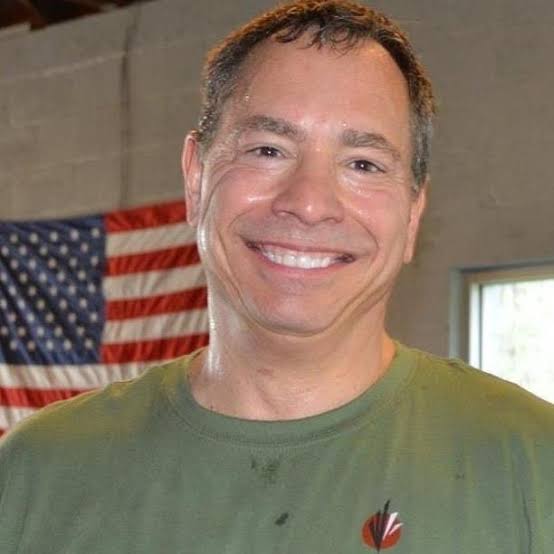
Jim Eglin
https://marylandsystema.comJim Eglin is the founder and chief instructor of Maryland Systema. He has trained in Systema, Krav Maga, judo, boxing, and jiu-jitsu, and received his full Systema instructor certification in 2019. Jim teaches practical self-defense with an emphasis on breathing, movement, balance, awareness, controlled contact, and responsible decision-making under pressure. He leads adult classes in Rockville and Takoma Park, Maryland.