Self-Defense Classes in Rockville, Maryland
Self-Defense Classes Rockville Maryland give adults a practical way to develop awareness, movement, balance, breathing, and decision-making under pressure. A tense situation often begins before it is clear that violence may follow. Someone may move into your space, block your path, ignore a clear boundary, grab your arm, or continue approaching after you have tried to disengage.
Good self-defense training helps you recognize these changes early and respond with sound judgment without promoting fear, aggression, or false confidence. The goal is not to win a contest or memorize complicated techniques. It is to recognize trouble earlier, manage distance, stay mobile, protect your balance, and make clear decisions when circumstances change.
Self-Defense Classes Rockville Maryland: What Adults Need
Rockville residents move through parking lots, transit stations, office buildings, apartment entrances, shopping centers, parks, campuses, and other public spaces every day. Most people will never experience a dramatic assault, but many have dealt with unwanted attention, verbal aggression, someone invading their personal space, or an interaction that did not feel right.
Responsible self-defense training addresses those situations with proportion.
Avoidance and de-escalation come before physical engagement. If you can leave safely, leaving is usually the better choice. If you can establish a clear boundary without escalating the situation, that may prevent the problem from becoming physical. If contact cannot be avoided, your immediate objective is usually to protect yourself, create space, preserve your ability to move, and get to safety.
This approach matters because real situations are rarely controlled.
You may be carrying groceries, walking with a family member, getting out of a vehicle, recovering from a long workday, wearing restrictive clothing, or standing on uneven ground. You may have very little room to move. Another person may suddenly become involved.
Training should prepare you for those variables rather than assuming every confrontation begins from an ideal stance with plenty of space.
Useful principles remain relevant when the details change. Keep your balance. Protect your head and body. Avoid becoming trapped in one place. Maintain awareness of exits, obstacles, and other people. Create space when possible and use only the force needed to address the immediate danger.
Why should adults look beyond memorized self-defense techniques?
People researching self-defense often encounter demonstrations showing defenses against punches, grabs, chokes, knives, or multiple attackers.
Those subjects can be useful to practice, but a list of techniques does not tell you whether a program teaches practical self-defense.
The more important question is whether the training teaches you to adapt.
A grab will not always happen the same way. Someone may pull, push, twist, strike, change direction, or release one hand and use the other. Your own size, mobility, stress level, position, and surroundings will affect what you can do.
Memorizing one response for every possible problem can create hesitation when the real situation does not match what you practiced.
Systema-based training takes a different approach. Students learn principles that help them respond to what is actually happening rather than trying to reproduce a fixed sequence.
Training develops movement, positioning, breathing, balance, awareness, and the ability to release unnecessary tension while another person applies pressure.
Exercises can include strikes, grabs, restraints, ground movement, weapons awareness, confined spaces, and several people. The purpose is not choreography. It is learning how to adjust when the situation changes.
That does not mean training should be vague or cooperative forever.
Beginners first need enough control to understand what they are doing. Resistance and unpredictability should then increase gradually. As students become more experienced, partners can add stronger pressure, less predictable timing, changing directions, and more complicated problems.
The goal is to learn without pretending that a cooperative drill proves something will always work.
Breathing and Mobility Are Practical Safety Skills
Stress changes the way people move.
You may hold your breath, tighten your shoulders, lock your knees, narrow your attention, or become rigid when someone suddenly enters your space. Those reactions can make it harder to move, maintain balance, notice an exit, or make a clear decision.
Breathing practice is therefore an important part of Systema training.
It is not simply a warm-up or relaxation exercise.
Students practice breathing while moving, exercising, being grabbed, receiving controlled pressure, working from the ground, and dealing with other physical challenges. The purpose is to keep functioning when the body begins reacting to stress.
Mobility serves the same purpose.
Self-defense does not always require a large or dramatic movement. A small step can change your position enough to prevent someone from controlling your balance. Turning your body can create space around a grab. Moving before someone closes the distance can prevent a much harder problem from developing.
These actions look simple because effective movement often is simple.
Making them available under pressure requires practice.
Balance Matters More Than Many Beginners Expect
People often think of self-defense primarily in terms of striking or strength.
Balance comes first.
If you lose your balance, your ability to strike, move, escape, or protect another person decreases quickly. If someone pushes you against a wall or pulls you beyond your base, even a strong person can become difficult to move effectively.
Maryland Systema training places considerable attention on posture, structure, and recovering balance.
Students learn to notice when pressure causes them to lean, stiffen, twist, or become fixed in place. They then practice moving in ways that preserve or restore their ability to act.
This becomes especially important for adults who are not interested in competition but want practical skills they can continue developing as they get older.
Strength and speed are useful, but good positioning and efficient movement remain valuable even when physical ability changes.
What a Respectful Training Environment Looks Like
A self-defense class should take personal safety seriously without becoming intimidating.
You should expect controlled physical contact because practical self-defense cannot be learned entirely by watching demonstrations. You also should expect clear instruction, respect for personal limits, and training partners who understand that safety makes better training possible.
A useful beginner program does not assume previous martial arts experience or exceptional fitness.
Students should learn how to fall and return to their feet safely, how to work with a partner without escalating every exercise, and how to adjust intensity when necessary.
People come to self-defense training with different bodies, abilities, injuries, and levels of experience. Instruction should account for those differences while still developing practical skills.
Be cautious of programs built around humiliation, uncontrolled contact, or promises that a handful of moves will make you safe in every situation.
No self-defense system can guarantee the outcome of a confrontation.
Good training improves your ability to recognize trouble, make better decisions, move effectively, and act when action becomes necessary.
Judgment Is Part of Self-Defense
Physical ability without judgment can make a difficult situation worse.
A mature training program should address when physical force is necessary and when it is not.
Students need to recognize when they still have an opportunity to leave, when clear communication can help, and when immediate physical action becomes necessary to protect themselves or another person.
The goal is not to prove that you can dominate someone.
The goal is safety.
That distinction affects how you train. A strike, movement, release, or takedown should serve a purpose. Once you have created a safe opportunity to disengage, continuing the confrontation usually works against the reason you acted in the first place.
Questions to Ask Before Your First Class
Before choosing a program, consider what you actually want from self-defense training.
If your priority is personal safety, ask how the school addresses awareness, boundaries, distance, movement, escape, and decision-making. Ask how beginners are introduced to physical contact and how resistance increases as students gain experience.
You should also find out whether students practice from different positions.
Real encounters do not always happen while two people stand several feet apart. Useful training should include situations where someone is close, where movement becomes restricted, where you are seated or on the ground, and where the environment limits your options.
Instructor background matters, but teaching ability matters just as much.
An instructor should be able to explain why an exercise matters, recognize when it is not working, and help students make adjustments.
Maryland Systema is led by certified Systema instructor Jim Eglin, whose training background also includes Krav Maga, Judo, Jiu-Jitsu, and boxing. The purpose of that experience is not to collect styles. It supports an approach centered on practical movement, adaptability, and responsible decisions.
Why should adults feel comfortable beginning self-defense training as a beginner?
Many adults delay self-defense training because they think they need to become fitter, stronger, more coordinated, or more confident before attending a class.
You do not need to prepare yourself before you begin.
Your first classes are where you start discovering how you currently move under pressure.
You may notice that you stop breathing when someone grabs you. You may tense your shoulders when a partner approaches. You may lean too far when pushed or focus so closely on one person that you stop noticing the space around you.
Those discoveries are useful. They give you something specific to improve.
Progress often appears in small ways. You maintain your balance more easily. You notice someone entering your space sooner. You recover your breathing faster. You recognize an exit before becoming trapped. You stop trying to solve every physical problem with strength.
If you are considering self-defense classes in Rockville, Maryland, look for training that lets you develop these abilities at a manageable pace while gradually introducing greater pressure and uncertainty.
At Maryland Systema, the objective is not to turn you into a competitive fighter. It is to help you become more aware, more mobile, and better prepared to make useful decisions when circumstances change.
Your training should leave you with practical skills that help you avoid unnecessary confrontation, protect yourself when avoidance is no longer possible, and get to safety with as little force as the situation requires.
Frequently Asked Questions
- 1 Are these self-defense classes suitable for adult beginners with no prior experience?
-
Yes, the self-defense classes in Rockville, Maryland, are designed for adults to develop awareness, movement, balance, breathing, and decision-making under pressure. The training prepares individuals for real-world variables rather than assuming ideal conditions.
- 2 What kind of self-defense approach do you teach, and is it focused on memorized techniques?
-
The training focuses on practical principles like recognizing trouble early, managing distance, staying mobile, and protecting your balance. It emphasizes adapting to situations rather than memorizing complicated techniques for specific attacks.
- 3 How do these classes help with real-world situations beyond just physical confrontation?
-
The classes help adults recognize changes early in tense situations and respond with sound judgment, prioritizing avoidance and de-escalation before physical engagement. The goal is to protect yourself, create space, and get to safety in everyday environments.
- 4 Do I need to be in peak physical condition or have good balance to join?
-
The training aims to help adults improve balance, posture, movement, and coordination, making it suitable even if you struggle with these aspects. Useful principles remain relevant regardless of physical condition or the environment.
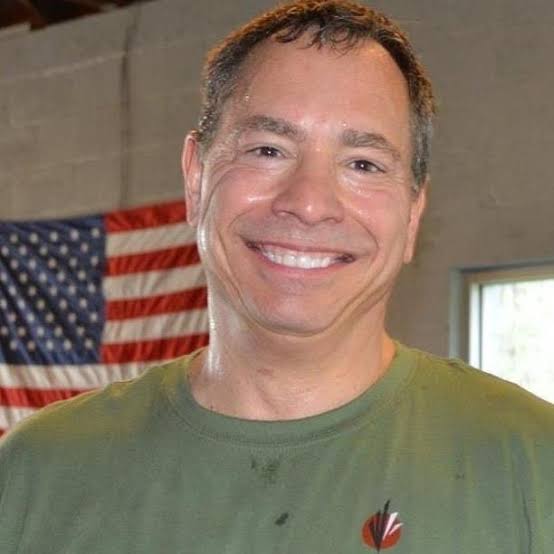
Jim Eglin
https://marylandsystema.comJim Eglin is the founder and chief instructor of Maryland Systema. He has trained in Systema, Krav Maga, judo, boxing, and jiu-jitsu, and received his full Systema instructor certification in 2019. Jim teaches practical self-defense with an emphasis on breathing, movement, balance, awareness, controlled contact, and responsible decision-making under pressure. He leads adult classes in Rockville and Takoma Park, Maryland.