Rockville adult Systema classes focus on practical skills for situations that can change quickly. A crowded parking garage, an argument that moves too close, an unexpected grab, or a fall on uneven ground can all create pressure before you have much time to think.
Training helps you notice problems sooner, stay mobile, and make clearer decisions as conditions change. The work is not built around trophies, belts, or staged demonstrations. It examines how breathing, posture, balance, awareness, and movement affect your options when another person, your surroundings, or your own stress response begins to restrict them.
What You Build in Rockville Adult Systema Classes
Systema training does not start with a list of fixed answers. A memorized response can work in a narrow situation, but real encounters change quickly. Distance shifts. A person resists. A wall, curb, chair, or another person may limit your movement. You may not have a clear path behind you. The aim is to develop principles that remain useful when the situation does not match a rehearsal.
For adults, that often starts with breathing, posture, and balance. You learn to keep breathing during effort instead of holding your breath, maintain enough structure to move, and avoid becoming rigid or overcommitting. You also learn that creating distance, leaving, setting a clear boundary, or asking for help is often a better outcome than physical contact.
Physical skills still matter, but they sit inside a larger decision-making process. Students work with strikes, grabs, restraint, close-range pressure, ground movement, confined spaces, and pressure from more than one person in controlled training. Training may also include weapon-related threats, with continued emphasis on awareness, distance, escape, and responsible judgment.
Awareness Comes Before Physical Action
A useful self-defense response often begins before anything becomes physical. Awareness does not mean treating everyone as a threat. It means noticing your surroundings, available exits, changes in distance, shifts in behavior, and signs that an interaction is becoming harder to manage.
In class, that can mean asking simple questions. Where can you move if you need to leave? Is someone closing distance unnecessarily? Can you keep your hands available without escalating the situation? Are you standing in a way that lets you move without losing balance? The same questions apply in a parking garage, workplace hallway, train station, social setting, or while walking to your car.
No training can guarantee how a violent encounter will unfold. What training can do is help you notice useful options sooner, stay more composed under pressure, and avoid becoming locked into a single response.
What Training Looks Like in Practice
Rockville adult Systema classes are active, but you do not need a high-level fitness background to take part. Exercises typically begin at a manageable pace so students can pay attention to their breathing, tension, movement, and decision-making. Pressure increases gradually as awareness and control improve.
One exercise may involve moving around an obstacle while a partner applies light, changing pressure. Another may focus on maintaining posture and mobility while someone grabs your clothing or arm. Ground work can include moving safely, recovering your base, and finding a path to stand or disengage instead of treating the situation like a wrestling match.
Training partners are not there to prove who is stronger. They provide realistic resistance at an appropriate level so you can see whether your movement still works when the other person is not fully cooperative. That gives you a way to practice uncertainty without turning every class into a hard-contact contest.
Why Breathing and Relaxation Matter
Many beginners are surprised by how much attention Systema gives to breathing. Under stress, people often hold their breath, tighten their body, narrow their attention, and lose coordination. Those reactions can make simple movement harder and reduce the options available to you.
Learning to breathe while moving and while working under pressure helps you stay more aware, conserve energy, and reduce unnecessary tension. Relaxation does not mean becoming passive. It means using the amount of effort the situation requires without making your body rigid.
For adults returning to physical activity after time away, this approach can also make training easier to sustain. Controlled breathing and steady movement give you a practical way to recognize tension earlier and respond without letting it take over.
Why Adaptability Matters More Than a Fixed Response
A fixed response can work when everything happens as expected. Real situations rarely stay that predictable. A grab may come from an unusual angle. You may be carrying something, standing on poor footing, or moving through a confined space. The other person may release, pull harder, change direction, or do something you did not anticipate. Your response has to fit what is happening now.
Systema develops adaptability by changing conditions during controlled practice. Students work from different distances, positions, directions, and levels of resistance. They also learn to account for obstacles and limited space. The goal is not to make training unpredictable for its own sake. It is to help you notice changes, adjust your movement, and choose a useful next action.
That action does not always involve physical contact. You may need to move away, protect your balance while creating space, use your voice, draw attention, or place a barrier between yourself and another person. Physical skills have a place, but practical self-defense also means recognizing when disengaging is the better choice.
Suitable for Beginners and Experienced Adults
Many adults put off self-defense training because they assume they need martial arts experience, high fitness, or a willingness to train in an aggressive environment. None of those things is required to begin.
Rockville adult Systema classes can be adjusted for different experience levels, physical abilities, injuries, and fitness backgrounds. Beginners can work on basic movement without being expected to match the pace or intensity of experienced students. People with prior martial arts training can explore familiar problems from another angle, especially through breathing, posture, mobility, balance, and changing conditions.
Training often begins at a measured pace so students can understand what they are doing before more pressure is added. That gives you time to recognize tension, improve movement, and build better habits without treating exhaustion as the goal.
The format also removes some common barriers to starting. There are no belt rankings, required uniforms, or forms to memorize. You do not need specialized equipment, and there is no contract required to begin. The focus stays on regular practice, practical skills, and steady improvement.
What to Know Before Your First Class
A self-defense school should be able to explain how it handles safety, pressure, and individual needs. Ask whether beginners train with experienced students, how exercises are adjusted for injuries or physical limitations, and whether instruction includes awareness, de-escalation, and escape alongside physical skills.
It is also worth asking what a typical class actually feels like. Look for specific answers such as controlled partner work, gradual resistance, practical movement, and time to rest, observe, and ask questions. You should not have to accept intimidation or unnecessary risk as part of learning self-defense.
Rockville adult Systema classes at Maryland Systema include a free first group class, giving you a chance to experience the training environment before making a larger commitment.
Wear comfortable clothing, work within your current ability, and pay attention to how the training feels. A useful first class should leave you with a better sense of your breathing, balance, movement, and options under pressure.
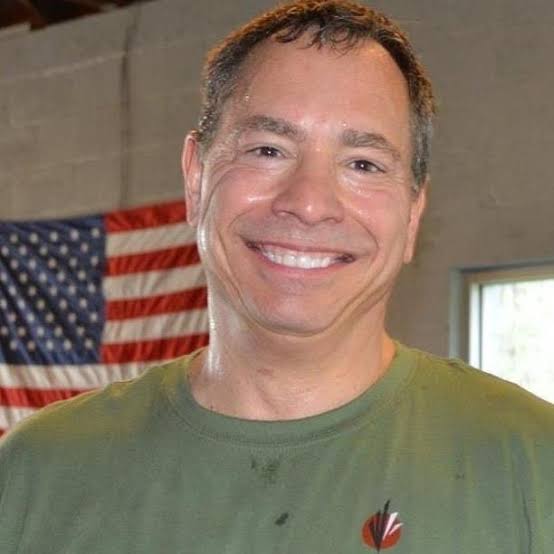
Jim Eglin
https://marylandsystema.comJim Eglin is the founder and chief instructor of Maryland Systema. He has trained in Systema, Krav Maga, judo, boxing, and jiu-jitsu, and received his full Systema instructor certification in 2019. Jim teaches practical self-defense with an emphasis on breathing, movement, balance, awareness, controlled contact, and responsible decision-making under pressure. He leads adult classes in Rockville and Takoma Park, Maryland.