Public Safety Awareness Guide: 7 Essential Habits for Adults
This public safety awareness guide focuses on recognizing concerning behavior, keeping room to move, and making practical decisions before an encounter becomes physical. An argument that grows louder, someone repeatedly blocking your path, or unwanted contact can give you a reason to change your position, ask for help, or leave.
Awareness does not require treating every stranger as a threat. It means noticing your surroundings and responding when something changes. You do not need martial arts experience to begin paying closer attention to exits, distance, and the behavior of people nearby.
At Maryland Systema, we connect those observations with breathing, balance, communication, and movement. Your goal is to preserve your options and get to safety.
1. Public Safety Awareness Guide: Notice Behavior and Context
Focus on what someone does rather than assumptions about their appearance. Clothing, age, race, or disability does not establish that a person is dangerous. Behavior and context provide more useful information.
Notice whether someone repeatedly closes the distance after you move away, ignores a request to stop touching you, or follows you while trying to keep you engaged. Look at what changes over the course of the interaction.
A single action can have an innocent explanation. Someone standing close on a crowded train is different from someone continuing to crowd you after you move into open space. You do not need to determine their intentions before deciding to create more room.
Use this public safety awareness guide as a reminder to notice changes without spending your day searching for danger. Look around when you enter a place, understand where you can move, and then continue with what you came to do.
2. Keep Distance and a Usable Exit in Mind
Where you stand affects your options. A counter, parked vehicle, wall, or crowd can limit movement even when an exit is nearby.
When an interaction becomes uncomfortable, notice whether you have a clear route away. Avoid backing into a corner or stepping into traffic while watching the person in front of you. Leaving requires attention to the route as well as the encounter.
For example, if an argument begins beside your parked car, reaching for the door is not always your best immediate choice. Depending on the situation, moving toward an open business or staffed area can give you more space and access to help.
Distance management in self-defense involves recognizing when space is shrinking and acting while you still have options. There is no single distance that guarantees safety. The setting, obstacles, and another person’s movement all matter.
Keep your hands available when practical. Carrying several objects or searching through a bag can make it harder to open a door, use your phone, or move freely.
3. Set Clear Boundaries and Follow Through
A useful public safety awareness guide needs to address communication as well as observation. Noticing a problem helps, but you also need options for responding.
Short statements can make your meaning clear:
- “Please step back.”
- “Do not touch me.”
- “I don’t want to continue this conversation.”
- “I’m leaving now.”
Use a firm, ordinary voice when speaking is appropriate. You do not need a long explanation or the other person’s agreement to end an interaction.
Watch what happens next. If someone ignores your request for space, repeating it indefinitely can keep you in an encounter you want to leave. Create distance or seek help when you can.
Speaking does not guarantee cooperation. If violence is imminent, prioritize getting away and obtaining help rather than trying to persuade the person. Avoid approaching an aggressive stranger to correct their behavior when you have a route away.
4. Maintain Balance and Leave Room to Move
Under pressure, you can become so focused on a person’s words or hands that you stop noticing your footing and surroundings. In training, we practice keeping movement and awareness connected.
Notice whether you are leaning, holding your breath, or planting your feet while trying to resolve the encounter. Keep breathing as you move. Do not delay leaving to complete a breathing exercise or make yourself feel calm.
One practical lesson in this public safety awareness guide is to keep checking your available space. A chair, curb, bag, or person behind you can change the route you thought was open.
If contact begins, there is no written instruction that fits every grab or shove. Protecting yourself, keeping your footing, attracting help, and taking an available opportunity to escape depend on the circumstances.
Our Systema self-defense training gives students controlled opportunities to explore breathing, balance, and movement with a partner. Reading introduces the ideas. Supervised practice lets you work on applying them.
5. Build Safety Habits Into Everyday Plans
Use this public safety awareness guide when planning ordinary activities, including commuting, meeting someone new, or collecting an item you bought online. A little preparation reduces the number of decisions you need to make on arrival.
Keep your phone accessible while giving your surroundings enough attention. Have your keys ready before reaching your vehicle. Let someone you trust know where you are going when meeting an unfamiliar person.
For online purchases or sales, the Montgomery County Police Department’s exchange-zone guidance recommends choosing a populated, well-lit meeting place, preferably a designated police exchange zone. It also recommends telling someone where you are going and bringing a friend when possible.
Check the department’s current location details before arranging a meeting. Police employees do not participate in these transactions or act as witnesses, so an exchange zone should not be treated as a supervised appointment.
Change your plans if someone pressures you to meet somewhere isolated or unexpectedly changes the arrangement. Completing a purchase is less important than keeping your options open.
These habits do not guarantee safety. Responsibility for harmful behavior belongs to the person who causes it.
6. Get Help When an Encounter Becomes Dangerous
A public safety awareness guide should make the goal clear: reduce exposure to danger and reach help. You do not need to remain in an argument to prove that you can handle it.
If there is immediate danger, leave when you have a safe opportunity and call 911 when you can do so safely. Move toward an open, staffed place when appropriate. Give responders your location and describe what is happening as clearly as you can.
When asking a bystander for help, a specific request gives them a clearer task. For example, “You by the counter, please call 911” tells someone what you need without asking them to physically intervene.
Weapon threats are especially unpredictable. No brief guide can provide a universally safe response. Avoid assuming that training makes a disarm reliable. Your surroundings, access to escape, and the person’s actions all affect your options.
After an incident, reach a safe place and obtain medical care for injuries as needed. Once immediate needs are addressed, record details while they are fresh and contact someone you trust for support.
7. Practice Awareness Without Becoming Constantly Watchful
You can practice observation during everyday activities. When entering a store, notice the exit and an available route through the space. At a crowded event, notice where movement slows or becomes restricted.
Then return your attention to your day. Awareness should support ordinary life, not require you to keep scanning every person around you.
Situational awareness exercises for adults provide ways to make observation more deliberate. Physical practice adds changing distance, controlled contact, and decisions about movement.
At Maryland Systema, students work at a manageable pace and communicate with their partners. We practice noticing when pressure changes, maintaining balance, and adjusting movement rather than expecting every exercise to unfold in a fixed order.
Adults in Rockville and Takoma Park can check our class schedule and try one free group class. You can ask questions and experience how awareness, breathing, and movement fit into training.
Use this public safety awareness guide as a starting point. Notice behavior, preserve space, communicate when appropriate, and leave when you have a safe opportunity. Consistent practice gives you time to work on those decisions before you need them under pressure.
Frequently Asked Questions
- 1 Do I need prior martial arts experience to use this public safety guide?
-
No, the guide states you do not need martial arts experience to begin paying closer attention to exits, distance, and the behavior of people nearby. It focuses on observations and practical decisions to preserve your options and get to safety.
- 2 How can I recognize concerning behavior without making assumptions about people?
-
The guide advises focusing on what someone does and the context of their actions, rather than assumptions based on appearance. Notice changes in interaction, such as someone repeatedly closing distance or ignoring requests to stop unwanted contact.
- 3 What role does physical distance play in personal safety, according to the guide?
-
Keeping distance and a usable exit in mind is crucial for preserving your options. The guide explains that where you stand affects your ability to move, and managing space allows you to act while you still have choices.
- 4 Does this guide offer specific self-defense techniques?
-
This guide focuses on public safety awareness, recognizing concerning behavior, and making practical decisions before an encounter becomes physical. It emphasizes noticing surroundings, managing distance, and keeping exits in mind, rather than specific physical self-defense techniques.
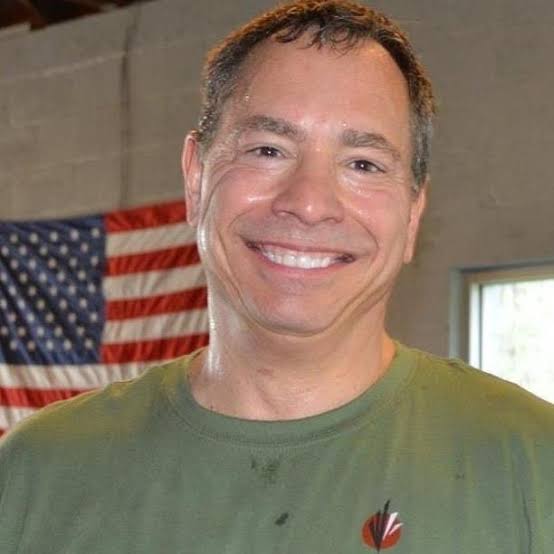
Jim Eglin
https://marylandsystema.comJim Eglin is the founder and chief instructor of Maryland Systema. He has trained in Systema, Krav Maga, judo, boxing, and jiu-jitsu, and received his full Systema instructor certification in 2019. Jim teaches practical self-defense with an emphasis on breathing, movement, balance, awareness, controlled contact, and responsible decision-making under pressure. He leads adult classes in Rockville and Takoma Park, Maryland.