7 Safer Ways: How to Regain Balance Quickly
How to regain balance quickly starts with a simple question. Where can you put your next step? A missed curb, a bag underfoot, or a sudden pull on your arm can shift your weight before you have time to think. A timely step can help you catch yourself and give you room to decide what to do next.
In self-defense, that next decision matters. Once you have your footing, you can create distance, move toward an exit, or get around an obstacle. Sometimes you need a handrail. Sometimes you need a second step. The direction you’re moving and the space around you help determine which option makes sense.
1. Learn how to regain balance quickly with a recovery step
When your weight shifts beyond your feet, let a foot move to catch it. If you catch your toe while walking forward, your next step may need to land farther ahead than you planned. If you’re bumped from the side, you may need to step sideways. Either way, the step has a job. It gives your moving weight somewhere to land.
Imagine turning to answer someone while carrying groceries. Your shoulders turn, one bag swings, and your weight follows it. If you try to keep both feet planted, you have to manage that shift from the same position. Moving a foot gives you a new place to support yourself.
When you practice how to regain balance quickly, pay attention to where the first step lands and whether you can take another one. You may need that second step to slow down, clear an obstacle, or change direction. Practice at walking speed on a clear, level floor.
2. Let your knees bend as your foot lands
A recovery step has two parts. Your foot needs a place to land, and your leg needs to accept your weight. Let your knee bend naturally as the foot takes the load. A small bend is often enough. How much you need depends on your speed, the surface, and where your weight is going.
You can feel this during an ordinary stop. Walk a few steps on a clear floor and come to an easy stop. Notice whether your weight settles over your feet or whether you feel pulled onto your toes. Then try the same stop with your feet landing where your weight is already moving.
If you’re learning how to regain balance quickly, give yourself time to feel the landing. If the first step leaves you reaching or twisting, take another easy step when there’s room. That adjustment is part of the recovery.
3. Exhale as you move
A surprise can leave you holding your breath. You might notice it after you catch yourself, when your shoulders are still raised and your jaw is tight. In class, we use a simple cue during slow movement. Let a little air out as your foot lands.
Keep the exhale easy. Take the recovery step as soon as you need it and let the breath happen alongside the movement. On a clear floor, try walking a few steps, changing direction, and breathing out as you turn. Once that feels comfortable, try it while stepping around a floor marker.
When you practice how to regain balance quickly, use your breath as a way to notice when you’re bracing. If you’re holding your breath through the turn, slow down and try again. Maryland Systema’s guide offers more ways to work on that habit. Breathing exercises to stay calm
4. Look for where your next step can land
Your eyes have two jobs when you lose your balance. You need to see what’s underfoot, and you need enough awareness to see where you can go next. On an uneven sidewalk, that can mean a quick glance at the curb followed by a look at the open pavement beyond it.
The same applies in a crowded room. If someone bumps you near a doorway, the space directly behind you might already be occupied. A quick look toward the open side can help you choose where to go once you’ve caught your weight. In a room with tables, chair legs and bags can matter as much as the people around you.
How to regain balance quickly depends in part on seeing what’s available. During practice, use two floor markers to represent a clear route and an obstacle. Walk toward them and choose where you’ll go before you reach them. This gives you a chance to practice seeing a route while you’re still moving.
5. Use stable support when it’s within reach
A secure handrail is useful when you’re stepping down stairs or negotiating an uneven entry. Use it as you go, especially if you’re carrying something or the lighting makes the step hard to see. If you’re already off balance, a fixed surface within easy reach can help you steady yourself. A rolling chair can move under your hand, and a door can swing open.
Part of learning how to regain balance quickly is recognizing where dependable support is before you need it. At home, look at the route from your bedroom to the bathroom, the stairs you use most, and the entry where you tend to carry bags. Maryland’s fall prevention checklist covers secure handrails, stair lighting, and other details you can check at home. Maryland Department of Health home safety checklist
6. Recover your footing during unwanted contact
A pull on your arm creates two problems. There’s the contact itself, and there’s the movement of your weight. If you’re already tipping forward, a short step into clear space can help you get your feet under you. From there, you have a better chance to see where you can move and whether you can leave.
In a crowded entryway, catching yourself may take one step and getting out of the doorway may take another. If the space beside you is clear, use it to create room. Once you have distance, you can speak clearly, ask for help, or move toward other people and an exit.
In our self-defense classes, we use light, agreed-upon partner contact to practice how to regain balance quickly. The instructor sets the pace. One person applies enough pressure for the other to notice where their weight is going. The person receiving it takes a step, settles, and checks whether they can still move. Both people reset before repeating.
That last check makes the drill useful. Can you take another step? Can you turn toward open space? Can you see past the person in front of you? The recovery gives you more choices when you can still move. Distance management in self-defense
7. Practice how to regain balance quickly at walking speed
Start with a short sequence on a clear, level floor. Walk three or four steps, stop, and turn toward a point on the wall. Walk again and step to one side around a flat marker. Keep the pace easy enough to notice how each foot lands. If you need an extra step to settle, take it and keep going.
Repeat the sequence in both directions. One turn may feel easier than the other, especially if you tend to carry a bag on the same shoulder or turn the same way throughout the day. Notice whether you rush the harder turn or take a much bigger step. Slowing down gives you time to feel where your weight goes.
As you get more comfortable, change one thing at a time. You can vary where you stop or which direction you turn. Save partner pressure for supervised practice, where you can agree on the direction and pace before starting.
What if you still lose your footing?
Even when you’ve practiced how to regain balance quickly, some slips and trips end on the ground. Maryland Systema teaches ground movement and getting back up as separate skills. You can start from a seated position and work through how to rise at a comfortable pace. An instructor can help you find a starting point that fits your mobility. Exercises for safer falls and getting back up
If you want to practice how to regain balance quickly with an instructor, Maryland Systema offers adult self-defense classes on Tuesday evenings in Rockville and on Thursday evenings and Sunday afternoons in Takoma Park. Your first class is free.
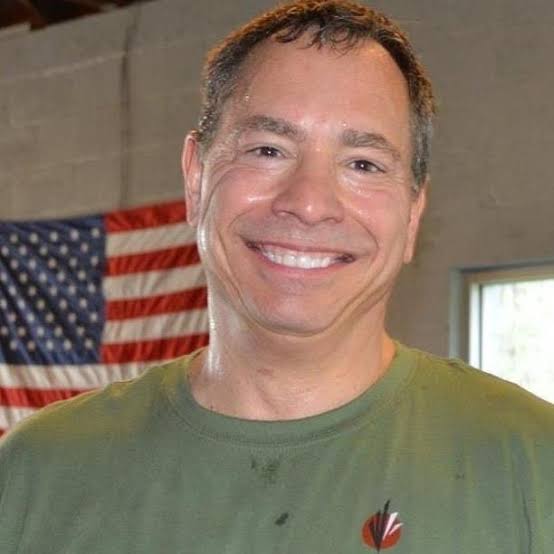
Jim Eglin
https://marylandsystema.comJim Eglin is the founder and chief instructor of Maryland Systema. He has trained in Systema, Krav Maga, judo, boxing, and jiu-jitsu, and received his full Systema instructor certification in 2019. Jim teaches practical self-defense with an emphasis on breathing, movement, balance, awareness, controlled contact, and responsible decision-making under pressure. He leads adult classes in Rockville and Takoma Park, Maryland.