Breathing Under Stress: 7 Ways to Stay Safe and Mobile
A tight chest, held breath, and tense shoulders can appear before you have fully identified a problem. That is why breathing under stress matters in self-defense training. Your breathing affects how you move, speak, maintain balance, and make decisions when another person is close or a situation changes unexpectedly.
You do not need to appear perfectly calm or follow a complicated breathing pattern. The goal is to avoid adding unnecessary tension when you need to think and move clearly.
Learning breathing under stress is especially important for adults who have never experienced physical confrontation or trained with resistance.
At Maryland Systema, we teach adults to recognize how physical pressure affects their breathing, posture, and movement. Students learn to notice tension, maintain mobility, and make decisions without relying on strength alone.
These seven principles explain how breathing under stress can support safer movement, clearer decisions, and more effective responses during everyday conflicts.
1. Understand Why Stress Changes Your Breathing
When you encounter a threatening or unfamiliar situation, your nervous system prepares your body for action. Your heart rate increases, muscles tighten, and breathing often becomes faster, shallower, or irregular.
These reactions are normal. They help prepare you to respond quickly. However, excessive muscular tension and uncontrolled breathing can interfere with coordinated movement.
Consider what happens when someone unexpectedly grabs your arm. You may instinctively tighten your shoulders, hold your breath, and pull against the person’s grip. That response can make movement more difficult, particularly when the other person is larger or stronger.
Breathing under stress begins with recognizing these automatic responses rather than trying to eliminate them.
Developing better breathing under stress starts with understanding how quickly ordinary physical reactions can affect your coordination and judgment.
One common problem is breath-holding during physical effort. People frequently stop breathing when lifting, pushing, pulling, or trying to maintain their position.
In self-defense training, that habit can combine with unnecessary tension in the neck, jaw, shoulders, and abdomen. Students may become rigid precisely when they need to turn, step, or recover their balance.
A useful breath does not remove danger. It helps you avoid adding physical strain to an already demanding situation.
The National Institutes of Health explains that relaxation practices involving breathing can help manage the body’s stress response. Physical self-defense involves additional demands, so breathing must remain compatible with movement and awareness.
2. Keep Breathing Under Stress Natural and Continuous
Many people assume they need to take a large, deep breath whenever they feel pressure. That is not always helpful.
Forced breathing can increase discomfort, especially when you are already breathing quickly. Excessively rapid or deep breathing can also cause dizziness or lightheadedness.
A more useful starting point is to notice whether you have stopped breathing.
If you are holding your breath, release a modest exhale and allow the next inhale to happen naturally.
Keep your jaw relaxed and let your shoulders settle as much as circumstances permit. Avoid forcing a precise breathing rhythm while your body is moving.
The most useful approach to breathing under stress is often the simplest: recognize when you stop breathing and return to a natural, comfortable rhythm.
During controlled training, we encourage students to recognize when their breathing changes as physical pressure increases.
For example, a student may breathe comfortably while walking but begin holding their breath when another person makes light contact or applies resistance.
Recognizing that change gives the student something specific to work on.
Exhale During Physical Effort
A simple principle is to exhale naturally during effort.
This applies when you:
- Stand up from the ground.
- Step away from physical pressure.
- Push an obstacle aside.
- Turn while another person maintains contact.
- Work to free an arm from a controlled grab.
- Recover your balance after being moved.
The exhale does not need to be loud or exaggerated. It simply helps discourage unnecessary breath-holding.
Breathing under stress should also support communication.
If someone approaches aggressively, speaking clearly may be more important than following a breathing exercise.
A firm statement such as “Back up” or “Stay there” can communicate a boundary while you move toward a safer position.
Your breathing should support that action, not distract you from it.
3. Connect Your Breathing to Posture and Balance
Breathing and posture influence one another.
When your shoulders rise, head moves forward, and abdominal muscles tighten excessively, breathing can become more difficult. The same physical tension can interfere with turning, stepping, and recovering your balance.
In Maryland Systema classes, we emphasize maintaining a body position that allows movement in different directions.
That does not mean standing perfectly straight or forcing your body into a rigid position.
Instead, consider whether your posture allows you to breathe, see your surroundings, and move without unnecessary preparation.
Practicing breathing under stress while changing your position helps connect respiratory awareness with balance and mobility.
A Simple Posture and Breathing Exercise
Stand comfortably with your feet beneath you.
Keep your knees unlocked, arms available, and eyes directed toward your surroundings.
Breathe normally while slowly turning your head and shifting your weight from one foot to the other.
Notice whether your breathing stops when you move.
Next, take a small step forward, backward, or sideways. Continue breathing without deliberately tightening your shoulders or stomach.
This exercise introduces an important connection between breathing under stress and physical mobility.
You are learning to maintain ordinary breathing while your body changes position.
As that becomes easier, you can gradually increase the movement demands.
The objective is not perfect posture. It is maintaining enough physical organization to respond when circumstances change.
4. Practice Breathing While Moving Under Pressure
Breathing exercises performed while sitting quietly have value, but physical self-defense introduces different challenges.
You may need to move while tired, maintain awareness during close contact, or recover from an awkward position.
That is why breathing under stress should become part of movement training rather than remain a separate activity.
Improving breathing under stress requires practice during movement because physical contact and resistance introduce challenges that quiet breathing exercises do not.
At Maryland Systema, students practice breathing alongside movement, controlled contact, and changing physical demands.
Begin With Ordinary Movement
Start by walking at a comfortable pace.
Change direction, turn, stop, and begin moving again.
Notice whether you hold your breath during those transitions.
Next, practice lowering yourself toward the floor and returning to a standing position.
Keep your breathing natural and avoid rushing.
If you become tense or lose coordination, reduce the speed or difficulty.
The purpose is to learn how breathing and movement work together.
Add Controlled Physical Pressure
Once you can maintain comfortable breathing during ordinary movement, introduce light resistance with a training partner.
One person can apply gentle contact to the other’s shoulder or arm while the receiving person practices stepping, turning, and maintaining balance.
Both people should understand the exercise and communicate about the amount of pressure being used.
The person receiving contact should pay attention to several things:
- Whether breathing stops when contact begins.
- Whether the shoulders rise unnecessarily.
- Whether movement becomes stiff or restricted.
- Whether balance changes during stepping.
- Whether attention narrows to the point of contact.
This approach makes breathing under stress something students can observe and improve.
The goal is not to overpower the training partner. It is to remain capable of moving and responding without unnecessary effort.
Gradually Increase the Difficulty
With appropriate instruction, training can progress toward more demanding conditions.
These may include controlled grabs, changes in distance, ground movement, confined spaces, and carefully managed striking exercises.
Students should understand the activity and the amount of contact before the intensity increases.
Increasing pressure too quickly often encourages breath-holding, muscular struggle, and rushed decisions.
Responsible training allows students to recognize their reactions and make gradual improvements.
5. Avoid Two Common Breathing Mistakes
People often make breathing more complicated than necessary.
The first common mistake is trying to become completely relaxed.
Real physical pressure requires muscular activity. You need enough tension to stand, move, protect yourself, and respond to changing conditions.
The objective is not complete relaxation. It is reducing tension that serves no useful purpose.
For example, tightening your entire upper body during a grab can interfere with movement. Maintaining enough muscular support to protect your balance while allowing your shoulders and arms to move is generally more useful.
The second mistake is trying to maintain a fixed breathing count during every activity.
Counted breathing exercises can help during quiet practice or recovery after a stressful event.
However, breathing under stress during physical movement requires flexibility.
A person who is walking, speaking, or responding to contact does not always benefit from concentrating on a strict inhale-and-exhale schedule.
The breathing pattern should accommodate the activity.
An additional concern is forcing large breaths when you already feel short of breath.
If breathing becomes uncomfortable, or you experience dizziness, chest pain, or unusual shortness of breath, stop the activity and seek appropriate medical attention. People with respiratory or cardiovascular conditions should follow medical guidance when beginning new physical training.
6. Use Breathing Under Stress to Support Better Decisions
Physical movement is only one part of self-defense.
A person can have strength and experience yet still make poor decisions when attention becomes fixed on a single threat.
Stress can narrow your focus.
You might concentrate on someone’s hands, an aggressive statement, or an approaching movement while failing to notice an exit or another person nearby.
Breathing under stress can serve as a useful reminder to check what your body is doing while keeping attention on the situation.
One benefit of practicing breathing under stress is learning to recognize physical tension without losing attention to the people and space around you.
An easy exhale during a brief opportunity can help you recognize tension and return your attention to the choices available.
It does not guarantee better judgment or stop an attack. It is one small part of maintaining awareness.
Create Space Before Physical Contact
Imagine someone moving too close during a disagreement.
Rather than remaining fixed in place, you can establish a verbal boundary while repositioning yourself.
Keep your eyes up, maintain breathing, and look for a clear path away.
You may notice an open doorway, other people nearby, or enough space to leave without further confrontation.
The safest choice is often to avoid unnecessary physical involvement.
This connects directly to distance management in self-defense.
The more distance and movement options you preserve, the less likely you are to depend entirely on physical strength.
Stay Mobile When Contact Occurs
Sometimes physical contact happens before you can create distance.
A person may grab your clothing, block your path, or push against you.
Breathing alone will not solve these problems.
However, avoiding unnecessary breath-holding can support the movement needed to turn, regain balance, and create an opportunity to disengage.
A central idea in Maryland Systema training is that the physical response should serve the larger purpose of reaching safety.
You do not need to remain in a confrontation longer than necessary.
7. Build Breathing Awareness Into Daily Activities
You do not need a special workout to begin improving breathing awareness.
Ordinary daily activities provide opportunities to recognize tension and practice natural breathing.
For example, notice your breathing while waiting in line, walking across a parking lot, or sitting at your desk.
Are you holding your breath while concentrating?
Have your shoulders moved toward your ears?
Is your jaw unnecessarily tight?
Take an easy exhale and let the next breath happen naturally.
Then return your attention to what you are doing.
Daily activities give you opportunities to develop breathing under stress awareness before introducing more demanding physical exercises.
Practice During Walking
Walking provides a simple way to connect breathing and movement.
Start at a comfortable pace and allow your breathing to remain natural.
Make a few gradual turns while keeping your eyes directed toward your surroundings.
Notice whether changes in speed affect your breathing.
Avoid forcing a specific count for each step.
The purpose is to recognize how your body responds to movement, not create another complicated exercise.
Practice After Physical Activity
After a brisk walk or ordinary exercise, allow your breathing to settle naturally.
Notice your posture and whether you are holding unnecessary tension.
Do not force yourself to breathe unusually slowly or hold your breath.
The ability to recognize your breathing during recovery can help you become more familiar with the physical changes that accompany effort.
Over time, these simple observations can make breathing under stress easier to recognize during controlled self-defense training.
How Maryland Systema Teaches Breathing Under Stress
At Maryland Systema, breathing is not taught as an isolated skill or a guaranteed solution to confrontation.
It is part of learning how your body responds to movement, contact, fatigue, uncertainty, and physical pressure.
Our adult self-defense classes emphasize four connected foundations: breathing, relaxation, posture, and movement.
Students learn to recognize unnecessary tension while developing greater awareness of distance, balance, and their surroundings.
Instruction progresses through controlled exercises that allow participants to experience different physical demands without turning every activity into a contest of strength.
For new students, the process starts with manageable movement.
As they become more comfortable, they practice responding to changes in distance, contact, and resistance.
The emphasis remains on useful movement and responsible decisions.
Our classes are designed for adults, including people who have never studied martial arts.
You do not need special clothing, a uniform, or previous self-defense experience to begin.
Self-Defense Classes in Rockville and Takoma Park
Maryland Systema offers adult self-defense classes in Rockville and Takoma Park, Maryland, serving Montgomery County and the surrounding Washington, DC area.
Our regular weekly classes include:
- Tuesday evenings: Rockville, Maryland, at Woodley Gardens Park.
- Thursday evenings: Takoma Park, Maryland, at Dance Exchange.
- Sunday afternoons: Takoma Park, Maryland, at Dance Exchange.
Your first group class is free.
You can learn more about our approach and find class information at Maryland Systema.
Final Thoughts: Breathe, Move, and Make Clear Decisions
Breathing under stress is not about eliminating fear, performing a perfect exercise, or controlling every physical reaction.
It is about recognizing when tension is interfering with your ability to move and respond.
Start by noticing when you hold your breath. Practice natural breathing during ordinary movement, then gradually introduce controlled physical demands.
Keep your attention on your surroundings, preserve your balance, and look for opportunities to avoid or leave a confrontation.
With consistent practice, breathing under stress becomes another useful part of maintaining awareness, managing physical tension, and choosing when to move away.
The next time you notice tension building, allow yourself an easy breath, keep your eyes up, and focus on the next clear decision.
That is a useful skill to develop, both in self-defense training and in everyday life.
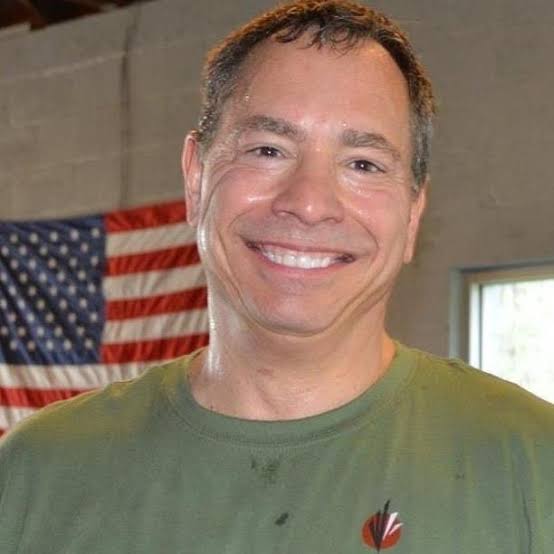
Jim Eglin
https://marylandsystema.comJim Eglin is the founder and chief instructor of Maryland Systema. He has trained in Systema, Krav Maga, judo, boxing, and jiu-jitsu, and received his full Systema instructor certification in 2019. Jim teaches practical self-defense with an emphasis on breathing, movement, balance, awareness, controlled contact, and responsible decision-making under pressure. He leads adult classes in Rockville and Takoma Park, Maryland.