Self-Defense Class Safety: 7 Smart Ways to Avoid Injury
A first self-defense class should not leave you feeling pressured to prove toughness, push through pain, or accept more contact than you understand. Self-Defense Class Safety begins with an environment where adults can learn useful skills gradually, including recognizing trouble early, managing distance, protecting balance, breathing under stress, and leaving when escape is possible.
Physical self-defense involves uncertainty. No class can eliminate every risk or guarantee that one response will work in every situation. Responsible instruction gives students a controlled environment to practice movement, judgment, and physical contact without exposing them to unnecessary danger.
For adults considering self-defense classes in Rockville, Takoma Park, or Montgomery County, Maryland, understanding how a school approaches safety is an important part of choosing where to train.
At Maryland Systema, self-defense class safety is central to how we introduce physical contact, explain exercises, and adjust training intensity. Students develop breathing, awareness, balance, movement, and responsible decision-making through controlled practice.
The following seven considerations explain what responsible training looks like, how instructors reduce unnecessary injury risks, and what beginners should expect.
1. Self-Defense Class Safety Starts With Clear Expectations
A safe self-defense class is not necessarily an easy class. Training can involve physical effort, unfamiliar movements, close contact, resistance, and situations that challenge a student’s comfort level.
The difference lies in how instructors introduce and control those challenges.
Before beginning an exercise, students should understand what they are practicing, why it matters, and what level of physical contact to expect. Instructions should explain whether partners will cooperate, provide resistance, or introduce changes in movement and direction.
An effective instructor watches how students respond rather than assuming everyone can handle the same amount of pressure.
Beginners generally need time to understand posture, movement, distance, and balance before increasing intensity. Experienced students benefit from those same fundamentals because speed and strength do not replace control.
Safety also depends on how students treat one another.
A training partner is not an opponent to defeat. Partners help each other recognize problems, experiment with appropriate responses, and improve physical awareness.
Someone who weighs considerably more than their partner must account for that difference. A student with previous martial arts experience should not impose the same pace on someone attending their first class.
Self-defense class safety depends on cooperation, communication, and the understanding that learning matters more than winning an exercise.
Why Clear Instructions Matter for Beginners
New students are often unfamiliar with the physical demands of self-defense training. They may not immediately recognize when an exercise is becoming too forceful or when their own tension is creating unnecessary strain.
Clear instructions help eliminate confusion before physical contact begins.
Instructors should demonstrate the intended movement, explain appropriate resistance, and identify any areas requiring special care.
This approach to self-defense class safety gives beginners more control over their learning experience while allowing instructors to introduce increasingly challenging situations.
2. Communication and Consent Reduce Unnecessary Risks
Physical contact requires clear boundaries.
Before practicing grabs, holds, close-range movement, or ground exercises, students should understand where contact will occur and how much pressure is appropriate.
Students should communicate relevant injuries, physical limitations, or areas where contact needs to be avoided.
They should also feel comfortable asking questions.
A responsible training environment allows students to request a slower pace, change partners, pause an exercise, or decline a particular activity without being embarrassed or pressured.
Consent is ongoing. Agreeing to participate in an exercise does not mean accepting unexpected increases in force or continuing after discomfort becomes concerning.
Instructors should reinforce these expectations consistently rather than leaving students to work out their differences during physical contact.
Recognizing When to Stop an Exercise
Physical exertion and mild muscle fatigue are different from sharp pain, dizziness, or a feeling that a joint is unstable.
Students should stop an exercise when something feels wrong and communicate immediately with their instructor.
Continuing through pain does not demonstrate commitment. It can turn a minor problem into an avoidable injury.
Students should also recognize when their partners become uncomfortable. Sudden stiffness, hesitation, pulling away, or difficulty following instructions can indicate that the exercise needs to slow down.
Communication supports self-defense class safety because it keeps participants aware of changing physical conditions.
These habits also connect to personal safety outside class. Recognizing uncomfortable behavior, setting verbal boundaries, and deciding when to leave are important parts of de-escalation and personal safety.
Building Trust Between Training Partners
Trust develops when students understand that their partners will respect agreed levels of contact.
A beginner who feels safe communicating concerns is more likely to concentrate on learning rather than worrying about unexpected force.
This is one reason self-defense class safety requires consistent expectations from everyone participating, not just the instructor.
Students should understand that helping a partner learn is more valuable than demonstrating superior strength or experience.
3. Training Pressure Should Increase Gradually
Beginners often assume that realistic self-defense training must involve immediate speed, force, and unpredictability.
That assumption creates unnecessary risks.
Slow, controlled movement helps students understand how their bodies respond before more demanding conditions are introduced.
Consider a basic exercise involving a partner holding someone’s wrist.
At first, the student can examine their posture, breathing, balance, and available directions of movement. They can explore how changing position affects the pressure without turning the exercise into a contest of strength.
Later, the partner can introduce additional resistance or change the direction of the hold.
The purpose is to develop awareness and effective movement while maintaining control.
This gradual progression matters because students enter training with different backgrounds.
Someone who regularly exercises may have greater endurance than someone returning to physical activity after several years. However, physical fitness does not automatically provide experience with contact, balance disruption, or unfamiliar movement.
The Centers for Disease Control and Prevention recommends starting physical activity slowly and increasing the challenge gradually. This general guidance supports the value of progressive physical training rather than introducing demanding activity too quickly.
Balancing Realism With Responsible Practice
Training without resistance has limitations. Students need opportunities to experience another person’s weight, movement, and pressure.
However, introducing excessive resistance before students understand an exercise can produce confusion, unnecessary tension, and injuries.
The challenge is finding an appropriate balance.
At Maryland Systema, instructors use controlled exercises to help students examine how they respond when conditions change.
As students become more comfortable, they can work with unfamiliar positions, shifting resistance, restricted movement, and other challenges.
Our discussion of self-defense under pressure explains how awareness, balance, and movement work together when circumstances become less predictable.
Effective self-defense class safety requires increasing difficulty without abandoning control.
Why Progression Matters More Than Intensity
Increasing intensity does not automatically improve a student’s ability to respond to danger.
An exercise performed too quickly may encourage students to rely on strength, hold their breath, or ignore important changes in positioning.
Slower practice provides an opportunity to recognize these habits and make corrections.
A gradual approach to self-defense class safety helps students develop coordination before adding more demanding physical challenges.
It also gives instructors time to observe individual responses and determine when adjustments are necessary.
4. Proper Breathing and Balance Support Safer Movement
People frequently hold their breath when they become uncomfortable, surprised, or physically challenged.
This response often accompanies unnecessary muscle tension.
The shoulders rise, the jaw tightens, and movement becomes rigid. Students may attempt to resist every push or pull using strength rather than adjusting their position.
In self-defense training, those reactions can make an exercise harder than necessary.
Learning to breathe continuously while moving helps students recognize unnecessary tension and maintain better awareness of their bodies.
Breathing does not eliminate fear or prevent injury. It provides a useful way to notice physical reactions before they interfere with movement.
Our article on how breathing improves self-defense explains this connection in greater detail.
Why Balance Matters During Physical Contact
Balance is more than the ability to remain standing.
It involves maintaining control while stepping, turning, bending, recovering from a push, or adjusting to another person’s movement.
A student who becomes rigid during contact may lose the ability to change direction or respond to an unexpected shift in pressure.
For example, when someone pulls an arm, resisting with the upper body alone may create additional tension and disrupt footing.
Learning to move the feet, adjust body position, and maintain awareness provides other options.
Ground movement requires similar attention.
Students should learn how to lower themselves, protect vulnerable areas, and return to standing without rushing through movements they do not yet control.
Instructors should account for previous injuries, limited mobility, and individual comfort levels when introducing these exercises.
Self-defense class safety improves when students understand how breathing, posture, and balance affect their responses to physical pressure.
Recognizing Unnecessary Physical Tension
During controlled exercises, instructors can encourage students to notice whether their shoulders, hands, or neck become excessively tense.
This awareness helps students distinguish between useful muscular effort and reactions that interfere with movement.
For example, gripping a partner with unnecessary force can make it harder to recognize changes in direction or pressure.
Teaching students to identify these reactions contributes to self-defense class safety while supporting more efficient movement.
5. Responsible Instructors Adjust Training to the Individual
Adults do not enter self-defense classes with identical physical abilities.
A person in their twenties may have different movement limitations than someone beginning martial arts training in their sixties.
However, age alone does not determine what someone can safely accomplish.
Experience, mobility, conditioning, previous injuries, confidence with physical contact, and current health all influence how training should progress.
Good instruction recognizes these differences without treating them as weaknesses.
An instructor may reduce resistance, slow an exercise, change the starting position, or provide a different way to explore the same principle.
These adjustments allow students to continue learning without forcing everyone into an identical physical challenge.
What About Previous Injuries?
Students should discuss relevant physical limitations before participating in demanding exercises.
Someone with a previous knee injury may need to modify certain ground movements. A person experiencing shoulder discomfort may need to avoid particular holds or directions of force.
The instructor’s responsibility is to understand the limitation and avoid unnecessary risk within the scope of instruction.
An instructor should not diagnose injuries or encourage students to ignore medical advice.
Students recovering from surgery, managing significant injuries, or dealing with medical conditions that affect safe participation should seek appropriate medical guidance before undertaking demanding physical activity.
The goal is not to remove every challenge from training.
It is to select challenges that support learning without imposing unnecessary physical consequences.
Self-defense class safety requires instructors to recognize that students have different physical capabilities and training needs.
This approach is particularly relevant to adults who want to develop useful self-defense skills while maintaining their ability to work, exercise, and manage everyday responsibilities.
Training Safely at Different Ages
Adults often postpone self-defense training because they believe they are too old or no longer physically fit enough to participate.
A responsible program should evaluate the individual rather than assume that age determines ability.
Some older adults have excellent mobility and conditioning. Others need a slower introduction to unfamiliar movements.
Maintaining self-defense class safety means selecting exercises that challenge each student appropriately without requiring everyone to match the same pace.
6. Safe Self-Defense Classes Teach Judgment, Not Just Physical Responses
Injury prevention during class is important, but responsible self-defense training has a broader purpose.
Students should learn to recognize situations where physical confrontation can be avoided.
This includes identifying concerning behavior, managing distance, setting verbal boundaries, recognizing exits, and understanding when leaving is more appropriate than engaging.
A student who becomes more physically capable but less cautious has not necessarily improved their personal safety.
Real confrontations involve variables that cannot be completely reproduced in training.
An attacker may be larger, faster, armed, or accompanied by other people. The environment may include uneven surfaces, furniture, vehicles, or restricted exits.
There is no reliable guarantee that one memorized response will solve every problem.
Learning to Respond When Conditions Change
Consider an exercise involving an unwanted grab near a wall.
A student may initially focus on releasing the grip. However, the more important problem may be the limited space available for movement.
The exercise can help the student recognize obstacles, protect balance, create distance, and identify an opportunity to leave.
A multiple-person exercise introduces different considerations.
Attempting to control every participant is rarely a realistic goal. Maintaining awareness, avoiding unnecessary entanglement, and finding a path away become more important.
These examples show how training can explore uncertainty without requiring uncontrolled violence.
Self-defense class safety includes developing judgment that reduces the need for physical force in the first place.
Avoiding False Confidence
One danger of poorly structured self-defense instruction is creating unrealistic expectations.
Students may leave believing that a particular movement will work against any attacker or that physical skill eliminates the need for caution.
Responsible training should challenge these assumptions.
An important part of self-defense class safety is helping students understand the limitations of what they practice.
Controlled exercises are learning tools, not guarantees about the outcome of unpredictable confrontations.
7. Know What to Expect Before Your First Self-Defense Class
Choosing a school involves more than comparing schedules or reading descriptions of different martial arts.
Prospective students should pay attention to how instructors manage the training environment.
Observe whether instructions are clear, contact levels are appropriate, and students respect one another.
Notice how experienced participants work with beginners.
An environment where stronger or more experienced students regularly overpower newcomers is a reason for concern.
The instructor should intervene when an exercise becomes unsafe rather than treating uncontrolled contact as proof that training is realistic.
Questions Worth Asking Before You Begin
Before attending your first class, consider asking:
- How is physical contact introduced to beginners?
- Can exercises be modified for previous injuries or limited mobility?
- What should students do when an exercise causes pain or discomfort?
- Are students allowed to pause or decline activities?
- How does the instructor manage differences in size and experience?
- Does the training include awareness, avoidance, and de-escalation?
- What clothing or equipment is required?
A school should answer these questions clearly.
Be cautious of programs that promise guaranteed results, pressure beginners into immediate physical confrontations, or present injuries as an unavoidable sign of worthwhile training.
A first class should provide enough information for you to decide whether the school’s methods, expectations, and environment meet your needs.
Evaluating self-defense class safety before enrolling helps you select instruction that respects your physical abilities and personal goals.
What to Wear and How to Prepare
At Maryland Systema, students do not need uniforms or specialized protective equipment for ordinary group classes.
Comfortable clothing that permits natural movement is appropriate.
Before training, remove jewelry that could catch on clothing or injure another participant. Keep fingernails trimmed, wear suitable footwear for the location, and arrive prepared to follow the instructor’s directions.
Let the instructor know about relevant injuries or physical limitations.
During exercises, remain attentive to your partner and avoid adding unexpected force or speed.
These simple habits help everyone participate responsibly.
How Maryland Systema Approaches Self-Defense Class Safety
Maryland Systema teaches self-defense classes for adults in Rockville and Takoma Park, Maryland.
Our approach emphasizes breathing, movement, posture, balance, awareness, distance, and practical responses to changing conditions.
Students practice with controlled contact and exercises that can be adjusted for different experience levels.
Instead of relying exclusively on fixed responses, training encourages students to recognize changes in pressure, maintain mobility, and make decisions based on what is happening.
This does not mean that every exercise feels comfortable.
Students can experience physical effort, unfamiliar movement, and resistance. The important distinction is that these challenges serve a learning purpose and should remain within responsible limits.
Our approach to self-defense class safety emphasizes progressive learning rather than unnecessary physical punishment or competition between students.
There are no belts, required uniforms, or long-term contracts.
Classes are designed for adults aged 18 and older, including people with little or no previous martial arts experience.
We offer group classes on Tuesday evenings in Rockville, Thursday evenings in Takoma Park, and Sunday afternoons in Takoma Park.
Your first group class is free, giving you an opportunity to experience our approach before deciding whether to continue.
Frequently Asked Questions About Self-Defense Class Safety
Can Beginners Get Injured During Self-Defense Training?
Yes. Any physical activity involving movement, contact, or resistance carries some injury risk.
Responsible instruction reduces unnecessary risks through controlled exercises, clear boundaries, appropriate progression, and attention to individual limitations.
No instructor can guarantee that injuries will never occur.
The goal of self-defense class safety is to manage foreseeable risks while helping students develop useful physical abilities.
Do I Have to Participate in Every Exercise?
Students should be able to communicate concerns and discuss adjustments with the instructor.
At Maryland Systema, exercises can be modified to accommodate different experience levels and physical limitations.
If you are uncomfortable with a particular activity, speak with the instructor before participating.
Is Self-Defense Training Safe for Older Adults?
Older adults can participate in appropriately structured self-defense training when the activities match their physical abilities and medical needs.
Age alone should not exclude someone from learning awareness, movement, distance management, and personal safety principles.
The instructor should account for individual limitations and introduce physical challenges gradually.
Does Realistic Self-Defense Training Require Hard Contact?
Not every exercise requires hard contact.
Students can develop useful awareness, balance, movement, positioning, and decision-making through controlled practice.
Physical pressure and resistance also have a place in training, but they should be introduced with a clear purpose and appropriate safeguards.
How Can I Tell Whether a Self-Defense School Takes Safety Seriously?
Look for clear instructions, controlled contact, respectful training partners, reasonable progression, and an instructor who corrects unsafe behavior.
Students should feel comfortable discussing injuries, asking questions, and requesting adjustments.
A school’s approach to self-defense class safety should be visible in how instructors teach and how students treat their training partners.
Final Thoughts: Safety Makes Consistent Training Possible
Self-defense class safety is not about removing every difficult movement or avoiding all physical pressure.
It is about creating conditions where students can learn, make mistakes, adjust their responses, and develop useful skills without accepting unnecessary risks.
For beginners, that means clear instructions, gradual progression, responsible contact, and the freedom to communicate physical limitations.
For experienced students, it means maintaining control, respecting training partners, and understanding that unnecessary injuries interrupt progress.
At Maryland Systema, our goal is to help adults develop greater awareness, better movement, improved balance, and responsible judgment through consistent practice.
Maintaining self-defense class safety helps make that training sustainable for adults with different backgrounds, abilities, and levels of experience.
If you are considering self-defense training in Rockville, Takoma Park, or the surrounding Montgomery County area, your first group class is free.
You can learn more about our adult self-defense classes and class locations at Maryland Systema.
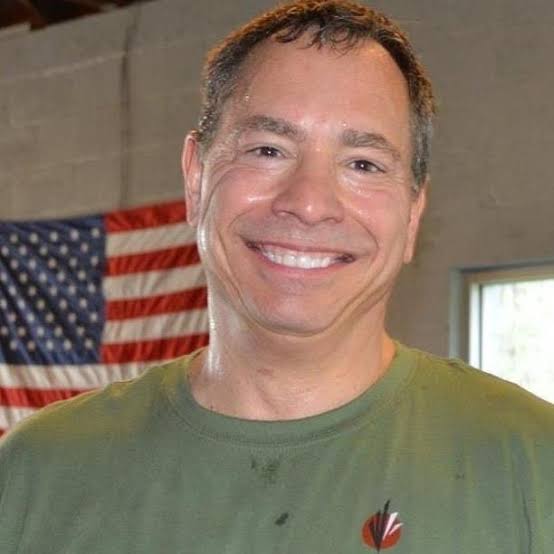
Jim Eglin
https://marylandsystema.comJim Eglin is the founder and chief instructor of Maryland Systema. He has trained in Systema, Krav Maga, judo, boxing, and jiu-jitsu, and received his full Systema instructor certification in 2019. Jim teaches practical self-defense with an emphasis on breathing, movement, balance, awareness, controlled contact, and responsible decision-making under pressure. He leads adult classes in Rockville and Takoma Park, Maryland.