7 Smart Tips for Self-Defense for Older Adults
Self-Defense for Older Adults begins with skills you can use in everyday life: recognizing concerns early, managing distance, protecting your balance, setting clear boundaries, and leaving when an exit is available. You do not need previous martial arts experience to begin learning.
Your training should account for how you move today. That includes your strengths, limitations, past injuries, and comfort with physical contact. A useful class gives you time to learn without asking you to match someone else’s speed or range of movement.
Physical action is one part of personal safety. Preparation also means recognizing when to step away, ask for help, or end an uncomfortable interaction before it becomes physical. The goal is to preserve your choices and reach safety.
These seven tips explain what to look for in training and how to connect what you learn with situations you encounter outside class.
1. Focus on Skills That Fit Your Daily Life
Useful training addresses recognizable problems. Someone stands too close while you load groceries. An argument moves toward your car. A person grabs your arm when you try to leave. Each situation requires more than choosing a physical response.
You need to consider your footing, available space, nearby people, and the direction you can move. These details help determine whether you have an opportunity to leave or need to address immediate contact.
Self-Defense for Older Adults should connect awareness, distance, breathing, balance, and judgment. Learning them together helps you understand how one affects another. Creating distance serves little purpose if you step into traffic or trip over a curb.
Age alone does not describe your abilities. Some older adults exercise regularly and move comfortably. Others manage joint pain, reduced mobility, or concerns about falling. Instruction should respond to those differences through suitable pacing, partner selection, and clear communication.
Start by identifying what concerns you most. Feeling crowded, walking through a parking garage, or getting up from a low chair gives an instructor a clearer starting point than a general request to learn self-defense.
Self-Defense for Older Adults works best when instruction connects your current abilities with the situations you want to handle more confidently.
2. Recognize Problems While You Still Have Choices
Leaving a developing confrontation protects your immediate safety and helps you avoid the consequences of a physical fight.
Avoidance involves making a decision while you still have room to act. You can return to a staffed business, move toward other people, decline an argument, or change direction before someone blocks your path. You do not need to wait for physical contact to take a concern seriously.
Self-Defense for Older Adults should make awareness specific. Instead of only hearing “pay attention,” you should learn to notice changes. Someone repeatedly closes distance, follows when you move away, ignores a boundary, or positions themselves between you and an exit.
Focus on behavior and context rather than assuming that appearance reveals someone’s intentions. A person standing nearby presents a different problem from someone who keeps approaching after you ask for space.
Consider your surroundings as the interaction develops. A clear route toward other people is useful only if you notice it before becoming absorbed in the conversation.
Preparation does not require treating every stranger as a threat. It means recognizing when an interaction leaves you with fewer safe options and acting before those options narrow further.
In Self-Defense for Older Adults, recognizing when to leave deserves as much attention as responding to physical contact.
3. Use Clear Boundaries Without Getting Drawn Into an Argument
Simple statements such as “Stop,” “Back up,” or “Do not touch me” communicate your boundary. Use a voice people nearby can hear when you need attention or assistance.
A boundary does not require a long explanation. Continuing to argue keeps you in an interaction you are trying to end. When a safe route opens, take it.
Self-Defense for Older Adults should include communicating while paying attention to distance and movement. Speaking clearly is useful, but you also need to notice whether the person respects your request, moves closer, or blocks your path.
Keep your language direct. If you need help, identify the problem and make a specific request, such as asking someone to call emergency services. People nearby do not always understand what they are seeing.
Your words do not guarantee cooperation. Some people ignore boundaries, and some situations require you to move immediately rather than continue speaking.
Training should help you connect your voice with your decisions. The purpose is to communicate, seek assistance, and create an opportunity to reach safety.
Self-Defense for Older Adults should give you opportunities to practice speaking clearly while keeping an exit in view.
4. Protect Your Balance Before Chasing a Physical Response
Everyday contact rarely begins with everyone prepared. You can be seated, carrying a bag, opening a door, or standing on uneven ground when someone approaches.
Self-Defense for Older Adults needs to account for these starting points. Training should help you move from your actual position rather than depend on a precise setup or a long sequence you must recall under stress.
Pay attention to how you shift your weight, turn, step, and manage contact. A large movement is not automatically better. Reaching too far or moving faster than your footing allows can reduce your control.
Your balance matters during unexpected contact. If someone pulls your arm, your attention can become fixed on their hand while your body moves beyond your feet. Instruction should help you recognize that change before you overextend yourself.
The National Institute on Aging’s overview of exercise and physical activity includes balance activity alongside aerobic and muscle-strengthening activity for older adults. This provides general exercise context, rather than evidence that a particular self-defense method prevents falls.
For Self-Defense for Older Adults, the training question is specific: can you respond to contact while remaining aware of your footing and available space?
Keep Breathing While You Move
Notice when you hold your breath or tighten your shoulders, hands, and legs. During controlled practice, slow down and reset when unnecessary tension interferes with movement.
Breathing does not make a threatening situation harmless. It gives you something to monitor as you work on staying composed and mobile. Read more about this training focus in our article on breathing exercises to stay calm.
5. Choose Instruction That Respects Your Starting Point
Before joining a program, watch how instructors respond when a beginner struggles. Do they explain the task another way, adjust the pace, or help both partners work together? Their response tells you more than an impressive demonstration.
Self-Defense for Older Adults should allow questions and honest feedback. You should be able to report discomfort, decline an activity, or request a different partner without pressure to continue.
Ask how the school introduces grabs, close contact, resistance, and unexpected movement. An instructor should explain the progression and its limits in plain language.
Also ask about falls and ground movement. Floor work needs particular care if you have difficulty kneeling, getting up, or bearing weight through your hands. Discuss those concerns before participating.
Training partners must respect agreed limits. A stronger partner should not turn a learning activity into a test of whether you can resist their full strength.
The quality of Self-Defense for Older Adults depends partly on how well instructors manage partner behavior, contact, and individual limits.
If a health condition, recent injury, or recurring dizziness affects your activity, seek guidance from a qualified health professional about suitable limits. Share those limits with your instructor.
Responsible instruction explains what training offers without promising that it prevents every injury or guarantees escape.
6. Connect Training With Your Everyday Surroundings
Think about the places you already use: your parking area, apartment entrance, walking route, public transportation stop, or workplace exit. Where can you find help? What limits your view or movement?
Self-Defense for Older Adults becomes more relevant when you connect training with these ordinary details. You do not need to scan constantly for danger. You need to notice when your surroundings restrict your choices.
While loading a car, for example, consider whether the open door, shopping cart, and nearby vehicles leave room to move. If someone approaches and makes you uncomfortable, you can pause the task and move toward other people rather than remain occupied with your bags.
When seated, consider what stands between you and an exit. A crowded aisle, low chair, or table changes how you get up and move.
Preparation also includes access to help. Keep your phone accessible and know how to contact emergency services. During an immediate threat, give your attention to reaching safety.
These decisions support physical training by reducing the number of problems you must solve at once. Noticing a blocked route early gives you more time to choose another direction.
7. Build Skills Gradually and Judge Progress Honestly
Your first class should help you understand the teaching, the pace, and your response to controlled contact. You do not need to demonstrate toughness or keep up with an experienced student.
Tell the instructor about movement restrictions before class. Be specific. “I cannot kneel comfortably” gives an instructor more useful information than “I am getting older.”
Self-Defense for Older Adults should make room for gradual progress. Early improvements include recognizing tension sooner, communicating a limit clearly, or noticing an exit before becoming absorbed in contact.
As you become more comfortable, training should help you understand how changing distance, position, and resistance affect your options. Success with a cooperative partner does not guarantee the same result against determined resistance.
Judge progress through useful questions. Are you noticing changes earlier? Do you recognize when you lose balance? Can you communicate boundaries and stop an activity when needed? Do you understand when leaving or seeking assistance takes priority?
Self-Defense for Older Adults should support your independence through informed decisions and manageable practice. Sometimes the safest choice is leaving immediately, calling for help, or giving up property rather than risking injury.
Consistent practice in Self-Defense for Older Adults gives you time to revisit decisions, ask questions, and understand where your responses need more work.
Maryland Systema offers adult self-defense classes in Rockville and Takoma Park, with instruction centered on breathing, posture, balance, awareness, and movement. You can begin without previous martial arts experience, uniforms, or a long-term contract.
Your first group class is free. Meet the instructors, discuss your starting point, and assess whether the teaching suits you.
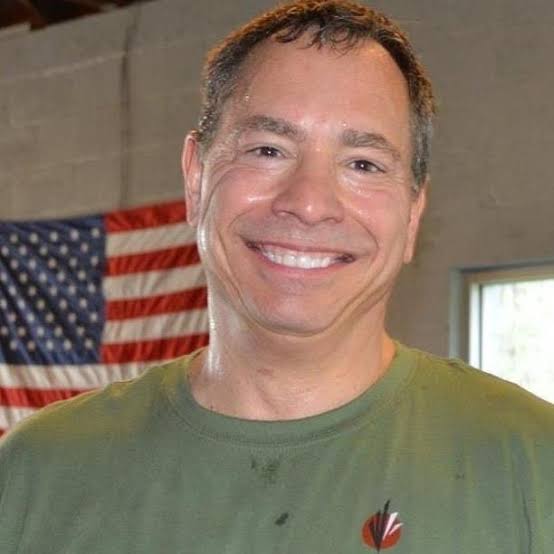
Jim Eglin
https://marylandsystema.comJim Eglin is the founder and chief instructor of Maryland Systema. He has trained in Systema, Krav Maga, judo, boxing, and jiu-jitsu, and received his full Systema instructor certification in 2019. Jim teaches practical self-defense with an emphasis on breathing, movement, balance, awareness, controlled contact, and responsible decision-making under pressure. He leads adult classes in Rockville and Takoma Park, Maryland.