Knowing how to protect personal space becomes important when an ordinary situation starts to feel uncomfortable. A crowded train platform, an office hallway, a checkout line, or a tense conversation can change quickly when someone stands too close, blocks your path, or ignores a request for space. Protecting personal space is not about treating everyone as a threat or preparing for a fight. It is about noticing changes early, managing distance, communicating clearly, and keeping enough balance and freedom of movement to make good decisions.
Personal space is both physical and social. The distance that feels normal with a friend may feel very different with a stranger. Context also matters. A packed elevator gives you fewer options, while an empty parking garage gives you more room to move and reposition yourself.
The goal is not to maintain one fixed distance in every situation. It is to notice when another person’s behavior, position, or attention starts limiting your choices, then respond before you become stuck in close contact.
How to Protect Personal Space by Recognizing Changes Early
Most uncomfortable encounters do not begin with obvious aggression. They often start with small changes. Someone follows your movement through a store, closes the distance again after you step away, positions themselves between you and an exit, or keeps talking after you have tried to end the conversation. None of these actions proves harmful intent on its own, but a pattern of them deserves your attention.
Awareness does not mean treating everyone as a threat. It means noticing where people are, where you can move, and what changes around you. When you enter a parking area, transit station, lobby, or unfamiliar building, take a moment to notice exits and open paths. Try not to become so absorbed in a phone call or screen that you miss someone moving into your space.
Pay attention to your own physical response as well. A tight chest, held breath, sudden tension, or strong urge to move away can tell you that something has changed. You do not need to prove that a situation is dangerous before creating more distance. If something feels wrong, moving to a better position is a reasonable response.
Use Positioning Before the Situation Becomes Physical
Distance is easier to protect before someone gets too close. If another person is making you uncomfortable, move toward other people, better lighting, staff, security, or an open exit when possible. In a store or public building, simply changing aisles or direction can also help you see whether someone is moving through the same area or deliberately following your movement.
Avoid letting yourself become trapped against a wall, vehicle, counter, or other obstacle. Keep a path open whenever you can. If you need to speak with someone who is agitated, turn slightly rather than facing them rigidly. This gives you more freedom to move while still allowing you to communicate clearly.
Your hands matter too. Keeping them naturally in front of your body can look ordinary while putting you in a better position if someone suddenly reaches for you or moves closer. You do not need to raise your fists or make threatening gestures. A calm, natural position can support both communication and movement without adding unnecessary tension.
Set Clear Boundaries Without Escalating the Situation
When words are appropriate, short and direct language usually works better than a long explanation. You might say, “Please give me some space,” “Stop following me,” “Do not touch me,” or “I need to get by.” Speak clearly and firmly without shouting unless you need to attract attention or call for help.
A clear boundary is not an invitation to argue. State what you need, then pay attention to how the other person responds. A respectful person may apologize, step back, or let you pass. Someone who argues, laughs, keeps moving closer, or touches you after you have told them to stop has given you important information. At that point, repeating yourself may be less useful than creating distance, moving toward other people, getting assistance, or leaving.
The appropriate response also depends on the setting. At work, you may need to document what happened and speak with a manager or human resources. In a public place, involving staff, a driver, security, or law enforcement may be appropriate. With a friend or family member, the issue may require a separate conversation later.
When your immediate safety is in question, however, protecting your space and moving toward a safer location takes priority over being polite.
Stay Mobile and Keep Breathing Under Pressure
Close-range pressure can make you hold your breath, tighten your shoulders, and narrow your attention. Those reactions are common, but they can make it harder to think and move. A slow exhale can help reduce unnecessary tension, restore your attention, and keep you from reacting too quickly.
Staying loose does not mean becoming passive. It means using only the effort the situation requires. If someone crowds you, avoid locking your feet in place or leaning backward until your balance begins to fail. Take small steps, turn toward open space, and keep your weight under control so you can walk, pivot, or move away.
This becomes even more important if someone grabs your clothing, takes hold of an arm, or tries to restrain you. No single response works for every grab, body type, environment, or level of resistance. What you do depends on your balance, the other person’s position, nearby obstacles, and whether you have an opportunity to leave.
In most situations, protecting your ability to breathe, remain upright, and move toward safety is more useful than trying to perform a perfect response.
Protect Your Space Instead of Proving a Point
Situations often escalate when someone feels challenged, embarrassed, or determined to have the last word. You cannot control another person’s emotions, but you can choose not to feed the conflict. Leaving does not mean you lost. Creating distance, getting help, and getting home safely are good outcomes.
That does not mean accepting harassment or unwanted contact without responding. It means choosing a response that matches the situation. A loud, direct command can make sense when someone touches you in public. Walking away may be the better choice when a stranger is intoxicated, agitated, or clearly looking for a reaction. Calling emergency services becomes appropriate when there is an immediate threat, a weapon, an assault, or no safe way to leave.
Responsible self-defense is not about proving that you are tougher, louder, or more determined than the other person. It is about protecting your space, recognizing when a situation is getting worse, and choosing the safest practical way to end your involvement.
Practice the Actions That Protect Personal Space
You can understand boundaries clearly and still hesitate when someone ignores them. Practical training gives you a place to work with distance, posture, movement, breathing, and verbal direction under controlled pressure. You begin to recognize what changes when someone suddenly closes distance, blocks your path, grabs an arm, or disrupts your balance.
Good training should not require you to be athletic, aggressive, or experienced. It should begin at a manageable pace and add pressure gradually. The goal is not to memorize a sequence or overpower another person. It is to build useful habits: notice changes earlier, stay mobile, manage tension, protect your balance, communicate clearly, and leave when you have the opportunity.
Maryland Systema uses this kind of principle-based practice to help adults respond to changing circumstances instead of relying on fixed routines. That approach can be useful for commuters, parents, working professionals, older adults, and anyone who wants to handle everyday pressure with better awareness, movement, and decision-making.
Everyday Habits That Help Protect Personal Space
Learning how to protect personal space starts with daily habits that support awareness. Give yourself enough time to walk without rushing or becoming absorbed in headphones or a screen. On public transit, stand or sit where you can move toward an exit when possible. When meeting someone new, choose a public location and let a trusted person know where you will be.
At home or work, take repeated boundary violations seriously instead of waiting for one dramatic incident. If a pattern develops, record dates, times, witnesses, and what happened. Clear notes can help you explain the situation to a supervisor, property manager, school administrator, security personnel, or law enforcement if you need outside help.
The most useful response often happens early: changing direction, asking for space, moving toward other people, heading for an exit, or deciding to get help. Practice making those choices before a situation becomes urgent. The earlier you act, the more distance, movement, and options you usually have.
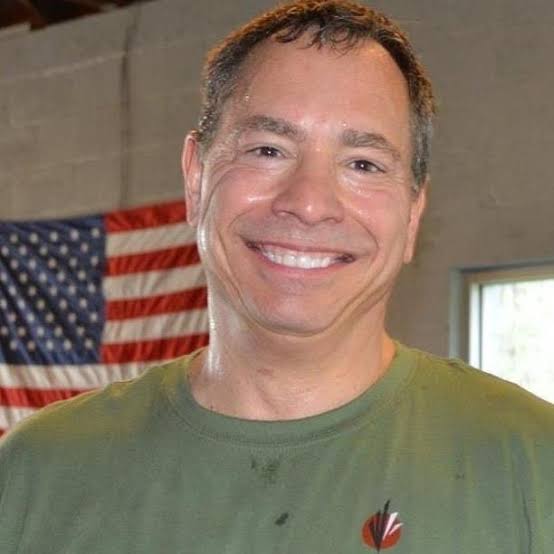
Jim Eglin
https://marylandsystema.comJim Eglin is the founder and chief instructor of Maryland Systema. He has trained in Systema, Krav Maga, judo, boxing, and jiu-jitsu, and received his full Systema instructor certification in 2019. Jim teaches practical self-defense with an emphasis on breathing, movement, balance, awareness, controlled contact, and responsible decision-making under pressure. He leads adult classes in Rockville and Takoma Park, Maryland.