Private self-defense lessons can be a useful place to begin when group training feels unfamiliar, when you want to work on a specific concern, or when your schedule makes regular classes difficult. But private instruction is not the best choice in every situation. Its value depends on what you want to improve, how consistently you train, and whether the instruction includes movement, pressure, and decision-making rather than only rehearsed responses.
For many adults, private lessons offer a more comfortable introduction to physical training. You can ask questions, work at a manageable pace, and spend more time on areas that matter to you. The limitation is that self-defense rarely involves one predictable person or situation. Distance, position, resistance, and surroundings change quickly.
That is why private lessons are most useful when they help you build skills that can later be tested with different partners and under changing conditions. They can provide focused instruction, but they should not create the impression that one-on-one training offers a shortcut to being prepared.
What Private Self-Defense Lessons Do Well
The main advantage of private lessons is focused attention. In one-on-one training, an instructor can notice details that are easy to miss in a larger class. You may hold your breath during effort, lose balance while turning, tense before moving, or step too close when dealing with a grab.
Those details matter. Under pressure, breathing, posture, balance, and movement affect how well you recognize what is happening and choose your next action. If you remain upright and mobile, you generally have more options than if you freeze, overcommit, or depend on one rehearsed response.
Private training can also focus on situations that matter to you. A commuter may want to work on awareness, distance, and positioning in crowded spaces. Someone returning to physical activity may need more time with ground movement, falling safely, or getting back to their feet. A parent may want to practice maintaining distance, setting boundaries, and moving away with a child rather than becoming physically engaged.
The purpose is not to build a personal list of answers for every possible threat. No responsible instructor can promise that. The goal is to develop habits you can adapt as conditions change: keep breathing, preserve your balance, recognize when you can move, avoid unnecessary force, and leave when you have the opportunity.
Are Private Self-Defense Lessons Worth It for Beginners?
For beginners, private self-defense lessons can be useful when they make it easier to start training. Some adults worry that they are out of shape, too old, returning after an injury, or simply uncomfortable with close physical contact in a group setting. One-on-one instruction gives you more room to address those concerns at your own pace.
A good instructor can adjust the level of pressure without removing the challenge. You may begin with posture, walking, turning, breathing, and getting up from the floor. As you become more comfortable, training can add controlled contact, close-range movement, escapes from holds, and responses to strikes or restraint. The pace should challenge you while still allowing you to think, communicate, and recover.
Early training should also help you understand principles instead of asking you to memorize a fixed response. Rather than learning one answer to a wrist grab, for example, you can practice staying relaxed, finding your balance, moving your body, changing position, and creating space to leave. Those skills remain useful when the grip, angle, or surroundings change.
Private instruction is not a requirement before joining a group class. A well-run class should also give complete beginners a manageable place to start. The better question is whether individual instruction will help you begin with more confidence and train consistently.
When Private Self-Defense Lessons Have the Most Value
Private lessons are most useful when you have a clear reason for taking them. That reason can be broad, such as improving movement, balance, or confidence, but the goal should be realistic. If you have one lesson before a trip, for example, you can work on awareness, boundaries, distance, and basic movement. You cannot build lasting self-defense ability in a few hours.
One-on-one training also works well when you keep running into the same problem. You may understand an exercise in class but struggle once a partner adds pressure. An old injury may make certain movements difficult. You may become tense when someone crowds your space. A private lesson gives you time to slow the problem down, identify what is getting in the way, and build a progression you can manage.
Private instruction can also serve professionals or groups with specific concerns. People who work with the public may need to focus on verbal boundaries, exits, positioning, and de-escalation. Responsible training should reflect the actual environment, workplace policies, and the need to avoid turning ordinary conflict into unnecessary physical contact.
Experienced students can benefit as well. More advanced training does not always mean greater speed or intensity. It may involve staying relaxed under pressure, recognizing small changes in timing, or moving effectively from awkward positions. Direct feedback can help you see and correct details that are easy to overlook during regular class training.
What Private Self-Defense Lessons Cannot Replace
The main limitation of one-on-one training is simple: one instructor is still one person. Group classes expose you to different body types, levels of strength, speeds, reactions, and ways of moving. Even a controlled exercise changes when you work with someone new.
That variety matters because self-defense is unpredictable. Something that works smoothly with one partner may feel very different with someone who is larger, stronger, frightened, intoxicated, aggressive, or simply moving in an unexpected way. Training with different people helps you avoid depending on one familiar pattern.
Group training also develops skills that private instruction cannot fully reproduce. You learn to communicate with different partners, adjust your level of contact, recognize when an exercise is becoming unsafe, and stay composed when another person does not move the way you expect. None of this requires competition. It requires regular exposure to changing people and conditions.
Cost also matters. Private lessons usually cost more per hour, so they are not always the best choice for regular training. For many students, consistent group classes provide more repetition and variety over time. A combination often makes sense: use group training for regular practice, then add private lessons when you want focused help with a specific problem or goal.
How to Tell If Private Self-Defense Instruction Is Useful
The quality of the instruction matters more than whether the lesson is private or part of a group class. Be cautious of anyone who promises guaranteed outcomes, presents a single move as the answer to a complicated problem, or treats weapon defenses as certain. Responsible self-defense training recognizes that awareness, distance, avoidance, and leaving are often safer than physical engagement.
Useful instruction also includes context. If you practice escaping a hold, the lesson should address more than the escape itself. Could you have recognized the problem earlier? Where can you move? Can you use your voice? What happens if the grip changes? Can you keep your balance while creating distance? Do you need to use physical force at all?
You should also see some form of progressive resistance. Training does not need to begin at full speed or with heavy contact. Starting too aggressively can make learning harder. As your ability improves, however, exercises should become less predictable and require more adjustment. Otherwise, it becomes easy to confuse a cooperative drill with a dependable skill.
A good instructor should be able to explain the purpose of an exercise, adjust it when necessary, and acknowledge uncertainty when there is no simple answer. Useful instruction should improve your judgment, not make you dependent on the instructor. You should leave with a clearer understanding of your options, your limitations, and what you still need to practice.
Are Private Self-Defense Lessons Right for You?
Before booking a private lesson, decide what you want to improve. You may want to feel more comfortable when someone crowds your space, learn how to get up safely after a fall, or practice responding to a grab without depending on strength. A clear goal gives the instructor something useful to build around.
Then think about what you can maintain. One private lesson can be a good introduction or a way to work through a specific problem. Lasting improvement comes from regular practice. Breathing, movement, balance, and awareness become more dependable when you repeat them under different conditions. A free first group class can also help you decide whether the training approach and environment are a good fit before adding private instruction.
At Maryland Systema, private lessons can be adjusted for different experience levels, fitness backgrounds, and physical limitations. Group classes add the variety of partners and changing conditions that practical self-defense training requires. Neither format depends on competition, uniforms, or a long-term contract.
Choose the format that helps you train consistently and improve without rushing the process. Private lessons can provide focused attention. Group classes provide variety and repetition. Used together, they can support steady progress without treating self-defense as something you can master in a few hours.
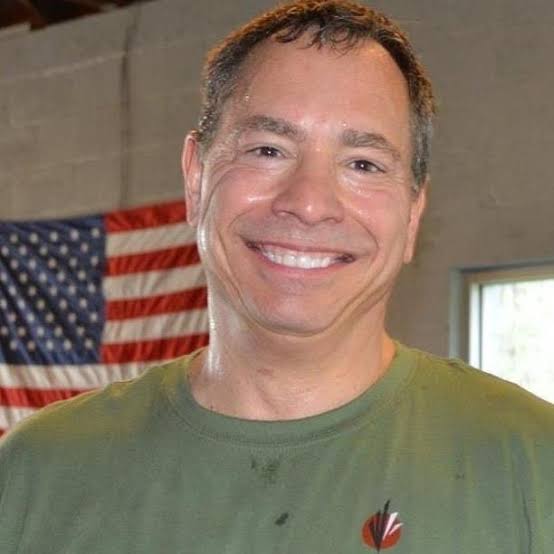
Jim Eglin
https://marylandsystema.comJim Eglin is the founder and chief instructor of Maryland Systema. He has trained in Systema, Krav Maga, judo, boxing, and jiu-jitsu, and received his full Systema instructor certification in 2019. Jim teaches practical self-defense with an emphasis on breathing, movement, balance, awareness, controlled contact, and responsible decision-making under pressure. He leads adult classes in Rockville and Takoma Park, Maryland.