How to Protect Personal Space: 7 Helpful Safety Tips
Knowing how to protect personal space becomes useful when an ordinary situation starts to feel uncomfortable. A crowded train platform, an office hallway, a checkout line, or a tense conversation can change when someone stands too close, blocks your path, or ignores a request for room. Noticing these changes gives you an opportunity to assess your surroundings, communicate a boundary, and look for a way to leave.
Personal space is both physical and social. The distance that feels comfortable with a friend can feel different with a stranger. Context matters, too. A packed elevator offers fewer movement options than an open lobby.
You do not need to maintain one fixed distance in every setting. Pay attention to whether another person’s behavior or position limits your choices, and consider what would give you more room or access to help.
1. How to Protect Personal Space by Recognizing Changes Early
An uncomfortable encounter can begin with small changes. Someone repeatedly closes the distance after you step away, positions themselves between you and an exit, or continues following you after you end a conversation. One action does not establish intent, but repeated behavior deserves attention.
Awareness means noticing where people are, where you can move, and what changes around you. When you enter a parking area, transit station, lobby, or unfamiliar building, take a moment to notice exits and open paths. Keep enough attention on your surroundings to recognize when someone moves closer or blocks your route.
Notice your own reactions as well. You might hold your breath, tense your body, or feel an urge to step away. Those feelings do not prove danger, but you can respond to discomfort without waiting for proof.
Moving toward staff, trusted people, or a busier area gives you an option beyond remaining in the interaction. You can also end a conversation or leave a location simply because you no longer feel comfortable there.
2. Use Positioning Before the Situation Becomes Physical
Learning how to protect personal space includes noticing where you can move before someone gets too close. If another person makes you uncomfortable, look for a route toward other people, staff, security, or an open exit. You do not need to stay nearby to determine why they are approaching.
Check whether a wall, vehicle, counter, or crowd limits your movement. A route that looks open can narrow as people move, so continue paying attention as you reposition.
Give yourself room to turn or step when possible. Avoid leaning away so far that you lose your footing while your feet remain planted. In a tight area, a small change in position can help you see an opening or reach someone who can assist.
Keep your gestures clear and avoid unnecessary physical contact. You can communicate that you want space while continuing to move toward an exit. If you already have an opportunity to leave, you do not need to remain nearby to finish explaining yourself.
3. Set Clear Boundaries and Watch the Response
Knowing how to protect personal space includes choosing clear words when speaking is appropriate. “Please give me some space.” “Do not touch me.” “I need to get by.” State what you need without getting drawn into a lengthy explanation.
Then notice what happens. Does the person step back or let you pass? Do they continue approaching, block your movement, or ignore what you said? Their response helps you assess what to do next.
You do not have to keep repeating a boundary to someone who ignores it. Moving toward other people, asking for assistance, or leaving can be more useful than continuing the discussion. Speaking is an option, not a requirement before taking steps to protect yourself.
When you need help, make the request specific. “Please call security” or “Can you stay here with me?” gives another person a clear action to take. Raise your voice when you need to attract attention.
The setting also affects your options. At work, you can seek help from a supervisor, human resources, or security. In a public place, staff or a driver can be a point of contact. Address your immediate safety first, then consider how to report or discuss what happened.
4. Stay Mobile and Keep Breathing Under Pressure
Close-range pressure can draw your attention toward one person or one point of contact. You might hold your breath, stiffen your legs, or stop noticing the space around you. In training, these reactions give you something specific to observe.
Practicing breathing during movement and pressure helps you explore whether you can continue breathing as an activity becomes more demanding. Keep your breathing comfortable rather than forcing a deep breath or a complicated count. Do not delay leaving or seeking help to complete a breathing exercise.
Pay attention to your footing, too. If you lean backward while your feet remain fixed, you reduce your ability to adjust. Controlled practice gives you time to explore stepping and turning while keeping your surroundings in view.
Your ability to maintain balance during contact affects the movement options available to you. A push, pull, or grab creates different problems depending on your position, mobility, and nearby obstacles.
No single movement works for every situation. Training should help you recognize when an attempted response leaves you less balanced or moves you toward a blocked route. You can then slow the exercise down and explore another option with your instructor.
5. Focus on Leaving and Getting Help
You cannot control how another person responds to your boundary. You can keep your attention on the options available to you, including ending the conversation, creating distance, and seeking assistance.
Leaving does not require agreement from the other person. If a route opens and you can use it safely, take it. Avoid staying involved simply to get an apology or have the final word.
A direct command can be useful when someone touches you without permission. In another situation, moving away without further conversation is the better available option. Your surroundings and the person’s actions should guide your decision.
If contact prevents you from leaving, focus on protecting yourself and looking for an opportunity to get free or attract help. Do not assume a rehearsed movement will work against every grip or level of resistance.
Once you reach a safer place, assess what help you need. An immediate threat or serious injury calls for emergency assistance. Other situations require support from staff, a trusted person, a workplace contact, or a victim-service provider.
6. Practice the Actions That Protect Personal Space
Practicing how to protect personal space gives you a place to work on boundaries, distance, movement, and breathing under controlled pressure. You can explore what changes when a partner approaches, blocks a route, or makes agreed contact. Begin slowly enough to notice your reactions and discuss adjustments with your instructor.
Good training provides a manageable starting point. You should understand the purpose of an exercise, the agreed limits, and how to stop. Your partner should respect requests to slow down or pause.
Increase the challenge gradually. Change one element at a time, such as the direction of approach, available space, or starting position. This gives you an opportunity to recognize what changed and decide how to respond.
Maryland Systema uses this approach to introduce beginners to training. Adults work with breathing, balance, awareness, and movement as conditions change. Previous martial arts experience is not required.
A useful exercise gives you more than a movement to remember. You should begin noticing when you stop moving, overlook an opening, or continue an exchange after a route away becomes available. Those observations give your next practice a clear purpose.
7. Build Everyday Habits and Take Repeated Violations Seriously
Learning how to protect personal space starts with habits that support awareness. Keep track of exits and available assistance when you enter an unfamiliar place. On public transit, notice how you can reach a door or alert staff. When meeting someone new, consider a public location and let a trusted person know your plans.
Repeated boundary violations deserve attention at home, at work, and in public. When it is safe to do so, record dates, times, witnesses, and what happened. Describe the person’s actions clearly so you can explain the pattern when seeking help.
If repeated following or unwanted contact raises concerns about stalking, SPARC’s incident documentation log provides a way to record incidents and communicate what you have experienced. SPARC is the Stalking Prevention, Awareness, and Resource Center.
You do not have to manage an ongoing problem alone. Trusted people, workplace contacts, security personnel, and victim-support services can help you consider next steps.
Knowing how to protect personal space means recognizing your options as circumstances change. You can ask for room, change direction, move toward other people, leave, or seek help. No response guarantees cooperation, and another person’s decision to ignore your boundaries is their responsibility.
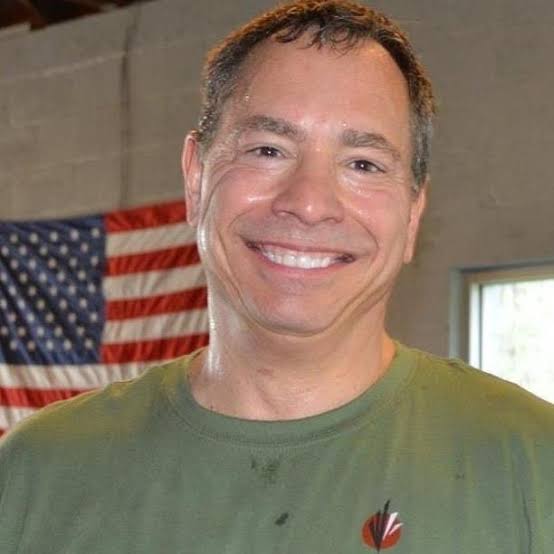
Jim Eglin
https://marylandsystema.comJim Eglin is the founder and chief instructor of Maryland Systema. He has trained in Systema, Krav Maga, judo, boxing, and jiu-jitsu, and received his full Systema instructor certification in 2019. Jim teaches practical self-defense with an emphasis on breathing, movement, balance, awareness, controlled contact, and responsible decision-making under pressure. He leads adult classes in Rockville and Takoma Park, Maryland.