Breathing Exercises to Stay Calm: 5 Simple Ways to Practice
Breathing exercises to stay calm give you a way to practice managing your response to everyday pressure. A difficult conversation, a crowded train platform, or someone moving too close can draw your attention to changes in your breathing. You might notice that you are holding your breath, breathing faster, or tightening your jaw and hands.
Recognizing those habits gives you something specific to address. Begin with comfortable breathing and manageable practice. You do not need to force deep breaths or wait until you feel completely calm before making a useful decision.
In self-defense, breathing belongs alongside awareness, balance, movement, and judgment. If someone threatens you or blocks your path, your priority is reaching safety. Continue breathing while you act, without stopping to complete an exercise or count a prescribed number of breaths.
At Maryland Systema, we connect breathing practice with physical tasks and gradually changing pressure. The aim is to remain able to observe, move, speak, and decide while something demands your attention.
What Breathing Exercises to Stay Calm Can Help You Practice
Breathing gives you a habit you can observe directly. You can notice whether you pause between breaths, force the air out, or stop breathing while concentrating on a movement.
That observation is useful during ordinary activities as well as training. You might hold your breath while opening a difficult jar, lifting a bag, or preparing to respond during an uncomfortable conversation. Before changing anything, notice what you are doing and whether the effort fits the task.
Gentle breathing practice can help with feelings of stress. The NHS recommends comfortable, unforced breathing and regular practice as part of a daily routine. Its guidance includes optional counting, with no requirement to reach a count that feels difficult. NHS
Breathing exercises to stay calm are a practical skill to explore, but their effects vary. Feeling nervous does not mean you have failed. A useful outcome is noticing tension sooner and remaining able to take your next action.
The following five approaches move from quiet observation to ordinary movement and supervised partner practice. Begin in a safe setting where you can stop or adjust without another demand competing for your attention.
1. Notice Your Breathing and Allow an Easy Exhale
Start by sitting or standing comfortably. Let your breathing continue as it is for a few moments. Notice whether you are drawing in more air than you need, holding it, or pushing it out.
On your next exhale, allow the air to leave gently. Do not squeeze your chest or abdomen to empty your lungs. Let the next inhale follow without rushing.
Continue for a few comfortable breaths, then return your attention to your surroundings. There is no need to make each breath larger or slower than the last.
You can also notice your jaw, hands, and shoulders. If you are clenching something unnecessarily, ease that effort slightly. Avoid trying to relax every part of your body at once.
This is one of the simplest breathing exercises to stay calm because it begins with observation. You are learning to recognize your habits before adding another task.
Use it before a meeting, while sitting safely at home, or after finishing a demanding activity. If you are in a public place, keep your eyes open and remain aware of the people and space around you.
2. Try Gentle Breathing With an Optional Count
Counting gives some people a simple point of attention during quiet practice. For others, it becomes another demand. Use it only if it makes breathing easier to follow.
Take a gentle breath in through your nose if comfortable, then let the breath out without force. Try an easy, similar count in each direction. Choose a short count that fits your natural breathing rather than stretching to reach a target.
Avoid holding your breath between the inhale and exhale. If you feel the need to gasp, abandon the count and return to ordinary breathing.
Practice while seated or standing in a stable position. Keep the task comfortable enough that you can stop whenever you choose.
The purpose of breathing exercises to stay calm is not to achieve the longest breath or the fewest breaths per minute. You are practicing a manageable action without turning it into a performance test.
Counting is best treated as an optional learning aid. During an argument, while navigating traffic, or when moving away from danger, give your attention to the situation rather than maintaining a breathing pattern.
3. Continue Breathing During an Easy Walk
Once quiet practice feels familiar, notice your breathing during an easy walk in a safe, uncluttered area.
Walk at your usual comfortable pace. Let your breathing match the effort naturally. You do not need to assign a fixed number of steps to each breath.
Notice what happens when you turn or stop. Do you hold your breath while deciding where to place your feet? Do your shoulders tighten when you look to one side? These observations give you a specific habit to explore.
If you stop breathing during a turn, slow the movement and try again. Keep the route simple enough that you can pay attention without neglecting your footing.
Breathing exercises to stay calm become more relevant to self-defense when you can practice without becoming absorbed in the breathing itself. You still need to see where you are going and respond to the space around you.
Keep this practice away from road crossings, stairs, slippery surfaces, and other places that require your full attention. It is an exercise in noticing ordinary movement, not a reason to add distractions to a difficult route.
4. Notice Breathing During a Simple Everyday Task
Choose a light, familiar task you can perform comfortably. Examples include reaching for an empty cup, putting on a jacket, or standing from a chair you normally use without difficulty.
Complete the task at an easy pace and notice whether you interrupt your breathing. If you do, pause and consider what made the task demanding. You might be rushing, reaching too far, or concentrating so hard that you stop noticing your breath.
Try again with a smaller movement or less effort. Allow breathing to continue without forcing an exhale at a particular moment.
These breathing exercises to stay calm help you examine how attention and movement interact. They are not instructions for heavy lifting or strenuous exercise, where breathing needs depend on the activity.
In self-defense training, the same observation applies to light contact. A student can become so focused on a partner’s grip that breathing and foot movement receive no attention.
Starting with ordinary tasks gives you a manageable way to recognize that habit. Later, an instructor can help you explore it during more demanding work.
5. Practice Breathing During Controlled Partner Work
Partner practice adds another person’s movement, timing, and decisions. That creates a different challenge from practicing alone.
Begin with a clear task and agreed limits. A partner might place a light grip on your forearm while you take a comfortable step. Both people should understand the expected contact and how to stop.
Notice when your breathing changes. Does it happen as soon as the partner touches you, when you attempt to move, or when your first response does not work?
That timing matters. It helps your instructor identify which part of the exercise needs to become simpler.
Breathing exercises to stay calm should remain manageable as pressure increases. If the task leaves you gasping, frightened, or unable to follow instructions, pause and reduce the demand.
At Maryland Systema, breathing is practiced alongside posture, balance, awareness, and movement. The goal is to keep those skills available while a partner changes part of the problem.
Our overview of Systema martial art training explains more about how these subjects connect. Controlled practice should give you room to ask questions, recognize mistakes, and try an adjustment.
Use Breathing Without Losing Awareness
During a threatening encounter, your attention needs to remain on what is happening. Notice distance, exits, obstacles, nearby people, and changes in the other person’s behavior.
Do not wait to feel calm before moving toward safety. You can feel nervous and still leave, call for help, or state a clear boundary.
Keep breathing simple. There is no requirement to finish a long exhale before speaking or complete several cycles before stepping away. Let breathing accompany the action you need to take.
This distinction matters when using breathing exercises to stay calm in a self-defense context. Quiet practice gives you time to observe a habit. An urgent situation requires attention to the immediate problem.
After you reach safety, you can take time to settle and assess what happened. Sit or stand somewhere secure, allow comfortable breathing, and decide whether you need help, medical attention, or support from someone you trust.
Breathing does not make a dangerous situation safe. It is one part of how you practice functioning under pressure.
Common Habits That Make Practice Harder
Trying too hard is a common problem. Forcing large breaths, pushing every exhale, or chasing a slow rhythm can turn a simple exercise into a struggle.
Another problem is judging every attempt by whether you feel calm immediately. Some days your attention wanders or you remain unsettled. Notice the experience without increasing the effort to force a result.
Waiting until stress is intense also makes learning harder. Practice during ordinary moments when you can stop, adjust, and understand what you are doing.
Avoid making breathing the only thing you notice. During movement, keep track of your footing and surroundings. During partner work, remain aware of distance and contact.
Finally, do not assume that longer or more demanding practice is automatically better. Breathing exercises to stay calm should fit your current comfort and ability. A brief, manageable attempt gives you more useful information than pushing through discomfort to finish a target.
A Resource for Gentle Breathing Practice
The NHS provides a readable guide to breathing exercises for stress. It explains comfortable positioning, gentle breathing, optional counting, and regular practice. NHS
Use this as a resource for general stress management. Applying breathing during physical contact requires separate instruction and controlled practice.
If you have a respiratory condition or find that focusing on breathing increases panic or distress, ask a qualified health professional about an appropriate approach. Stop an exercise if it causes dizziness, pain, or increased distress. Do not use breathing practice to dismiss new or severe breathing difficulty.
Build a Habit You Can Use Under Pressure
Breathing exercises to stay calm become more useful when you connect them to a specific, repeatable part of your day. Choose a safe moment before a meeting, during a quiet break, or while completing a light household task.
Begin by noticing what you already do. You might discover that you hold your breath when concentrating, rush the next inhale, or tighten your hands before speaking. That observation gives you a practical starting point.
In class, bring the same curiosity to partner work. Ask what changed when you lost track of your breathing. Was the contact too strong, the task unclear, or the pace too fast? Adjusting one part of the exercise makes it easier to understand the result.
Choose one situation to observe over the next week. Before a familiar conversation or an easy movement task, check whether you are already bracing. Let your breathing continue comfortably, complete the task, and notice what happened. You do not need to record every breath or judge yourself for becoming tense. Look for a small change you can recognize, such as noticing a pause sooner or staying able to speak without rushing. Discuss that observation with your instructor. A clear example from your own experience gives you something useful to work on and a way to assess the next attempt.
Explore Maryland Systema classes and events to practice breathing together with movement, balance, and decisions under controlled pressure.
Frequently Asked Questions
- 1 How do breathing exercises help in self-defense or stressful situations?
-
Breathing exercises help you manage your response to everyday pressure and physical threats. In self-defense, maintaining continuous breathing allows you to observe, move, speak, and make decisions effectively even when something demands your attention.
- 2 Are these breathing exercises suitable for beginners?
-
Yes, the exercises are designed for comfortable and manageable practice, emphasizing gentle, unforced breathing. You don't need to force deep breaths or wait until completely calm to begin.
- 3 What are the practical benefits of practicing these breathing exercises regularly?
-
Regular practice helps you observe your breathing habits and notice tension sooner. A useful outcome is remaining able to take your next action and manage your response to pressure, even if you feel nervous.
- 4 How do I begin practicing the breathing exercises described?
-
You can start by sitting or standing comfortably and observing your natural breathing. The first step involves allowing an easy exhale without forcing, letting the inhale follow gently, and practicing in a safe setting.
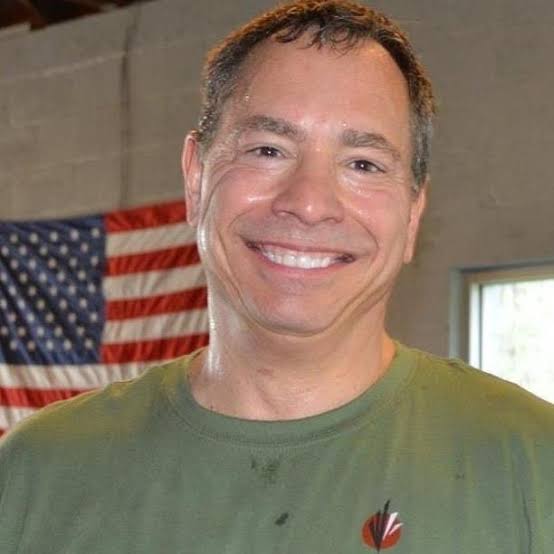
Jim Eglin
https://marylandsystema.comJim Eglin is the founder and chief instructor of Maryland Systema. He has trained in Systema, Krav Maga, judo, boxing, and jiu-jitsu, and received his full Systema instructor certification in 2019. Jim teaches practical self-defense with an emphasis on breathing, movement, balance, awareness, controlled contact, and responsible decision-making under pressure. He leads adult classes in Rockville and Takoma Park, Maryland.