8 Top Skills for Restraint Escape: Build Confidence
The top skills for restraint escape help you recognize unwanted contact, maintain your balance, manage your reactions, and find opportunities to leave. A strong grip matters, but so do your footing, surroundings, breathing, and ability to make decisions while someone restricts your movement.
Restraint sometimes develops gradually. A person blocks your path, keeps a hand on your wrist, or crowds you against furniture. In other situations, contact happens suddenly. You have to respond from whatever position you are already in.
At Maryland Systema, we approach restraint escape as part of a wider self-defense practice. Awareness, movement, communication, and judgment work together. No single release fits every grab, and no technique guarantees an escape.
These eight skills address unwanted grabs and interpersonal restraint. The purpose is to reduce danger, create opportunities to disengage, and reach a safer place.
1. Top Skills for Restraint Escape Start With Awareness
Awareness leads the top skills for restraint escape because it gives you information before physical contact limits your choices. Notice behavior that changes your ability to move freely: someone repeatedly closes distance, follows your attempts to step away, blocks an exit, or ignores a request to stop touching you.
You do not need to determine a person’s intentions before deciding that you want more space. Discomfort is enough reason to end a conversation or move toward other people.
Look beyond the person approaching you. Where does the doorway lead? Is there furniture behind you? Are you standing near stairs, traffic, or an uneven surface? An open area offers different choices from a narrow passage.
Early action also reduces the number of problems you must solve at once. Leaving before someone establishes a hold avoids having to address the grip, your balance, and your escape route simultaneously.
Awareness cannot prevent every assault. Responsibility remains with the person choosing to use unwanted force. Training helps you recognize available options without suggesting that you control another person’s behavior.
2. Clear Communication Supports Earlier Decisions
Communication belongs among the top skills for restraint escape because it helps you establish a boundary and identify whether another person respects it.
Use language that is short enough to say under stress:
- “Let go of my arm.”
- “Do not touch me.”
- “Step back.”
- “I am leaving.”
You do not owe someone a lengthy explanation before asking them to release you. Repeating your reasons can keep you engaged in an interaction you want to end.
Your voice also communicates with people nearby. A specific request such as “You in the blue jacket, call for help” gives a bystander a clear action. General shouting does not always tell others what is happening or what you need.
Clear communication connects the top skills for restraint escape by helping you set boundaries, seek assistance, and act on your decision to leave.
The aim is to support your next decision. You do not have to persuade an aggressive person to agree with you before seeking safety.
3. Breathing Helps You Manage Unnecessary Tension
A sudden grab can interrupt your breathing before you notice it. Your jaw tightens, your shoulders rise, and your attention settles on the hand holding you.
Breathing is useful because it gives you something manageable within a situation you did not choose. Keep it comfortable and continuous rather than trying to take an exaggerated breath or follow a complicated counting pattern.
Our article on breathing under pressure explains how breathing fits into awareness and movement.
Among the top skills for restraint escape, breathing supports your ability to keep acting while uncomfortable. You do not have to feel completely calm before making a useful decision.
Notice the difference between effort and unnecessary tension. Physical resistance requires effort, but clenching every muscle does not automatically improve your position. It can leave you working hard without gaining space.
Breathing alone will not release a determined grip. Its role is to help you stay engaged with the larger problem: where you are, what is changing, and what action serves your safety.
4. Balance Keeps Movement Available
A restraint affects more than the place where someone holds you. A wrist grab can pull your upper body forward. A clothing grab can turn your shoulders. Pressure from behind can interfere with your footing.
That makes balance one of the top skills for restraint escape.
The useful question is whether you can support your weight and adjust as the situation changes. A rigid stance that looks stable offers little help if you cannot move from it.
Your environment matters here. Shoes, loose gravel, wet pavement, bags, and furniture all influence your footing. Looking only at the grip can hide the obstacle most likely to make you fall.
Strength still contributes to self-defense. However, strength is harder to apply effectively when you are overextended or losing your footing. Our discussion of balance versus strength in self-defense explores that relationship.
Training should also account for imperfect starting positions. You will not always begin upright, prepared, and facing the person touching you. Learning to recover useful movement matters more than holding a particular pose.
5. Coordinated Movement Expands Your Options
When someone holds your arm, it is natural to focus all your effort on that arm. You pull, twist, and watch the grip while the rest of your body stays still.
This narrow focus can turn the encounter into a contest between your arm and the other person’s hands.
Coordinated movement means understanding how your feet, hips, torso, and held limb affect one another. A change elsewhere in your body changes the position in which you are trying to move.
That does not mean every turn or step is safe. Moving without considering the hold can increase strain, disturb your balance, or take you closer to an obstacle.
This is why the top skills for restraint escape require supervised practice rather than a list of universal releases. Direction, timing, available space, and the other person’s actions change what is useful.
A cooperative demonstration shows one possibility. It does not establish that the same response will work against every person or under every condition. Good instruction makes those limits clear.
6. Recognizing Pressure Helps You Adapt
Physical restraint changes. A person adjusts their grip, pulls harder, moves closer, or shifts their weight. Your response needs to account for those changes.
Recognizing pressure means noticing what is happening now instead of continuing with a response that no longer fits.
For example, you can become so focused on freeing a hand that you miss being moved toward a wall. You can also keep struggling after enough space exists to disengage.
The top skills for restraint escape include recognizing both problems. You need to notice increasing danger and identify an opening when one appears.
This does not require waiting passively to understand every detail. Immediate danger demands immediate decisions. In training, however, manageable contact gives you time to learn what different directions and levels of pressure feel like.
Progress includes recognizing when an attempted response is making your position worse. Continuing harder is not always progress. Useful practice builds the habit of reassessing rather than becoming committed to finishing a particular movement.
7. An Escape Route Gives Space a Purpose
Breaking contact is only part of an escape. You still need somewhere safer to go.
Before and during an encounter, notice doors, staffed businesses, groups of people, barriers, and accessible routes. Consider whether an opening leads toward help or into another confined area.
A few feet of separation mean less if you stop immediately to argue. When a safer route becomes available, use it and continue seeking assistance.
Police.uk’s guidance on dealing with a violent situation recommends creating distance from the other person and contacting police as soon as you can safely do so. This supports the purpose of restraint escape: separating from danger and getting help.
Your route must fit your circumstances. Limited mobility, an accompanying child, a crowded room, or a locked door changes the decision. Running is not the only way to create distance or reach support.
After reaching safety, contact emergency services if danger continues. Tell someone you trust what happened and seek appropriate care for injuries. Escaping contact does not mean you have to handle everything afterward alone.
8. Adaptable Judgment Connects the Other Skills
Judgment determines how you use the top skills for restraint escape. Speaking, moving, drawing attention, seeking help, or briefly avoiding a sudden reaction all depend on the situation.
Knowing the person does not make unwanted restraint acceptable. Equally, a stranger’s behavior does not tell you everything about their intentions. Assess what the person is doing, how immediate the danger is, and which options are available.
Responsible training should let students ask questions, communicate discomfort, and stop contact promptly. Partners need clear boundaries, and instructors should adjust demands to experience, mobility, and existing limitations.
Greater intensity is not automatically better instruction. Pressure should serve a learning goal. If students cannot identify what they are practicing or receive useful feedback, exhaustion alone proves little.
Look for progress you can describe: noticing an exit sooner, keeping your attention beyond a grip, communicating clearly, or recognizing when to disengage.
Those improvements build a more useful foundation than confidence based only on completing a rehearsed response.
Build the Top Skills for Restraint Escape at Maryland Systema
The top skills for restraint escape work together. Awareness helps you recognize a problem. Communication establishes a boundary. Breathing, balance, and coordinated movement support your response. Judgment keeps your attention on getting to safety.
At Maryland Systema, we connect these subjects within adult self-defense training. You can begin without previous martial arts experience and develop your skills at a manageable pace.
Visit Maryland Systema to learn about classes and arrange your free introductory group lesson. Bring your questions, discuss your needs, and see how the training approaches movement, contact, and decisions under pressure.
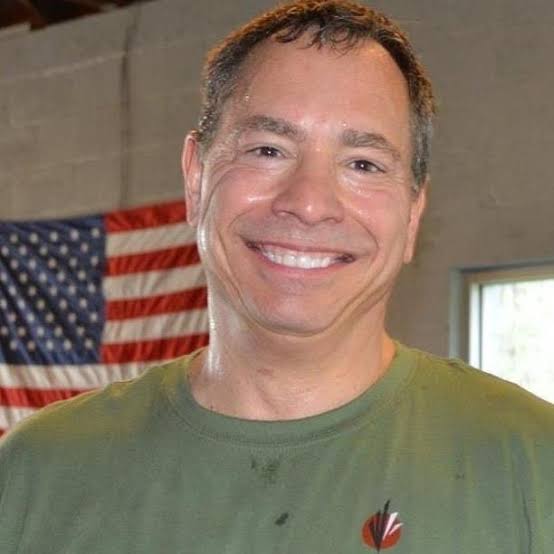
Jim Eglin
https://marylandsystema.comJim Eglin is the founder and chief instructor of Maryland Systema. He has trained in Systema, Krav Maga, judo, boxing, and jiu-jitsu, and received his full Systema instructor certification in 2019. Jim teaches practical self-defense with an emphasis on breathing, movement, balance, awareness, controlled contact, and responsible decision-making under pressure. He leads adult classes in Rockville and Takoma Park, Maryland.