Balance versus strength in self-defense is not simply a question of who is more powerful. A stronger person can still be moved, crowded, surprised, tripped, pinned, or put off balance. What matters is whether you can stay mobile, think clearly, and make useful choices when another person, the environment, or your own stress changes the situation.
Strength still matters. It can help you pull away, protect your body, recover from difficult positions, and create movement when space is limited. But strength has limits. It may not be available in the direction you need, at the moment you need it, or for as long as the situation lasts.
Balance, structure, breathing, awareness, and movement give you more options before force becomes the only answer.
Balance Versus Strength in Self-Defense: Why Balance Matters More
Many people picture self-defense as a contest of force. One person pushes, grabs, or strikes, and the other person has to overpower them. Real situations are rarely that simple. Distance changes, footing may be uneven, space may be limited, and furniture, clothing, bystanders, fatigue, or surprise can all affect how you move.
A strong person who becomes rigid can still be pulled, pushed, turned, or crowded. If their weight is poorly positioned, even a small change in direction can disturb their balance. If they hold their breath and add unnecessary tension, they may react more slowly. More effort does not always create a better result.
Balance is not about standing still or holding a perfect position. It is about organizing your body well enough to keep adjusting. You may need to step, turn, lower your center, regain your footing, protect your head, or move toward an exit without getting stuck in place.
That is why balance matters more than strength in self-defense. Balance helps you preserve movement and choices when the situation changes.
This is especially important for adults of different sizes, ages, and fitness levels. Practical self-defense should not depend on being the strongest person present. It should help you recognize pressure early, manage distance, maintain your structure, and use the movement you have effectively.
The Useful Role of Strength in Self-Defense
Treating balance as important does not mean strength is unimportant. General strength supports healthy joints, everyday movement, and your ability to work against physical resistance. Strong legs, back, core, and grip can all help.
The more useful question is how you apply that strength. Force becomes less effective when you are overextended, twisted, holding your breath, or losing your footing. When your structure is more stable and your movement has a clear direction, the same effort becomes more useful. The goal is not to avoid effort. It is to avoid wasting it.
Consider a common example: someone grabs your wrist or clothing. A strength-based reaction is often to pull directly away. That may work, but it can also cause the other person to pull harder, draw you off balance, or bring you closer. A more adaptable response starts by noticing your feet, structure, direction of pressure, and available space. You can step, turn, reduce unnecessary tension, use more of your body instead of relying on one arm, and look for a way to disengage.
The same principle applies when someone pushes you. Pushing back harder is not always the safest answer, especially near stairs, traffic, walls, furniture, or other people. Regaining your balance, changing the angle, and moving away may give you a safer option.
Self-defense is not about proving that you are stronger or winning a physical exchange. It is about reducing danger, preserving your ability to move, and getting to safety when you can.
Balance Matters Before Physical Contact Begins
Good balance is not only something you recover after being grabbed or pushed. It starts with how you move and position yourself before physical contact begins. Walking while distracted, standing with locked knees, reaching too far, or allowing someone to crowd your space can make it easier to disrupt your balance.
Awareness helps you avoid some of those poor positions in the first place. Notice who is approaching, where your exits are, and whether someone is closing distance in a way that concerns you. Set boundaries early when possible. A clear verbal response, a step away, or a change in position can sometimes prevent physical contact altogether.
This is why useful self-defense training should include more than striking or escaping from grabs. Physical skills matter, but judgment, timing, distance, and awareness matter too. The earlier you recognize a developing problem, the more space and time you have to make a useful decision.
Why Structure Matters in Self-Defense
Useful structure is not a stiff, chest-out stance. It is a relaxed, organized position that allows you to move in different directions without fighting against your own body. Your head stays upright enough to see what is happening. Your knees remain flexible. Your weight stays centered enough that a small push or change in pressure does not immediately take away your next step.
Good structure also lets you use your hands naturally. Your hands may help create space, protect your head, guide someone away, or support clear communication. They do not need to be held in a dramatic fighting position to be useful.
In self-defense, structure matters because it supports movement. The better organized your body is, the easier it is to adjust, regain balance, and respond without adding unnecessary tension.
Why Breathing Supports Better Movement
Under stress, people often hold their breath without realizing it. That can increase tension, drain energy, and narrow attention. It can also cause you to brace against pressure instead of adjusting to what is happening.
Breathing practice is not about expecting yourself to remain completely calm in every difficult situation. It is about learning to keep breathing, release unnecessary tension, and continue moving as pressure increases.
Even a small improvement can make a difference. Better breathing can help you stay aware of your surroundings, preserve your movement, and avoid reacting with more force or tension than the situation requires.
How Training Builds Balance Under Pressure
Balance is easy to discuss when you are standing alone in a room. It becomes more useful when another person is moving, pulling, blocking your path, or taking up your space. Good training introduces those variables gradually so you can learn without being overwhelmed.
Early practice may involve simple walking, changing direction, or maintaining your structure while a partner applies light pressure. As your skill develops, training can include grabs, pushes, close-range contact, obstacles, ground movement, or decisions made while tired or distracted. The purpose is to help you notice how your balance changes when the situation becomes less predictable.
In Systema training, students work with principles rather than fixed routines. A response that works in an open room may need to change in a hallway. A movement that works against a light grab may be less useful when the person is larger, the grip changes, or a clear exit is available. Practice helps you become less dependent on one memorized answer.
This approach is also useful for beginners who do not consider themselves athletic. You do not need exceptional speed, strength, or previous martial arts experience to start improving your balance. You need controlled practice, useful feedback, and enough repetition to recognize your habits under pressure.
This is where the difference between balance versus strength in self-defense becomes easier to understand. You learn to maintain your structure, adjust to changing pressure, and use strength without depending on it for every response.
When Relying on Strength Becomes a Problem
Trying to muscle through every situation creates predictable problems. You can pull yourself closer to someone you are trying to avoid, burn through energy quickly, or become so focused on one point of contact that you stop noticing the larger situation.
That tunnel vision matters. If you concentrate only on a grab, a push, or the other person’s hands, you may miss their position, the ground beneath you, nearby people, an exit, or the possibility of a weapon.
Relying on force can also escalate a situation that still has other options. If someone is angry, intoxicated, or simply much larger than you, answering pressure with more pressure does not automatically make you safer.
There are times when physical action is necessary to protect yourself or someone else. But responsible self-defense also asks whether you can create distance, leave, de-escalate, call for help, or use the environment to improve your position.
That is not passivity. It is judgment. The right response depends on what is happening, who is involved, and which options are still available.
What Practical Capability Looks Like
Instead of asking, “Am I strong enough to defend myself?” it is more useful to ask a broader set of questions. Can you keep your footing when someone bumps or pulls you? Can you keep breathing when you are startled? Can you recognize when someone is getting too close? Can you move around obstacles, protect yourself during a fall, and leave when an opening appears?
Those abilities matter beyond self-defense. They can help you move with more control, recover more easily when something unexpected happens, and become more comfortable dealing with physical uncertainty.
At Maryland Systema, adults can develop these skills at a manageable pace without needing to prove toughness or outperform the people around them. Training focuses on breathing, structure, balance, awareness, and movement while gradually introducing physical pressure and changing conditions.
Balance versus strength in self-defense is ultimately about how well you can use what you already have. Strength can support your movement, but balance, structure, breathing, and awareness help you apply that strength without becoming stuck or wasting effort. Pay attention to your footing, your breathing, and where your next step can take you.
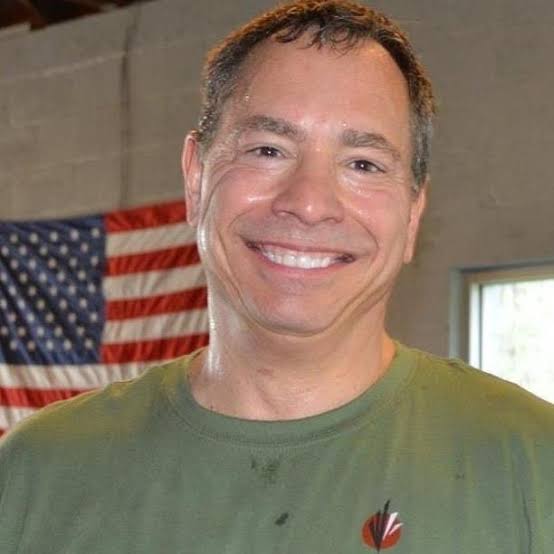
Jim Eglin
https://marylandsystema.comJim Eglin is the founder and chief instructor of Maryland Systema. He has trained in Systema, Krav Maga, judo, boxing, and jiu-jitsu, and received his full Systema instructor certification in 2019. Jim teaches practical self-defense with an emphasis on breathing, movement, balance, awareness, controlled contact, and responsible decision-making under pressure. He leads adult classes in Rockville and Takoma Park, Maryland.